
Last updated November 15, 2026
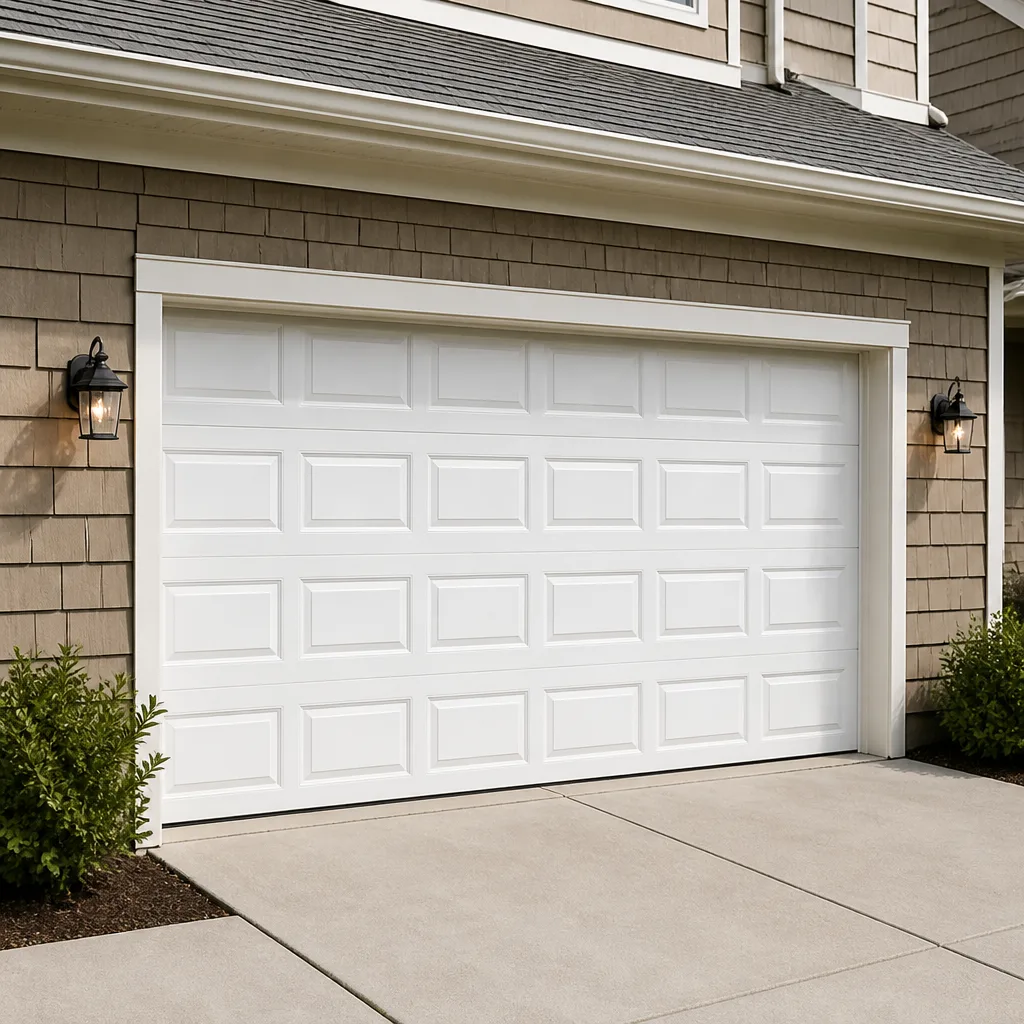 Raised-panel steel
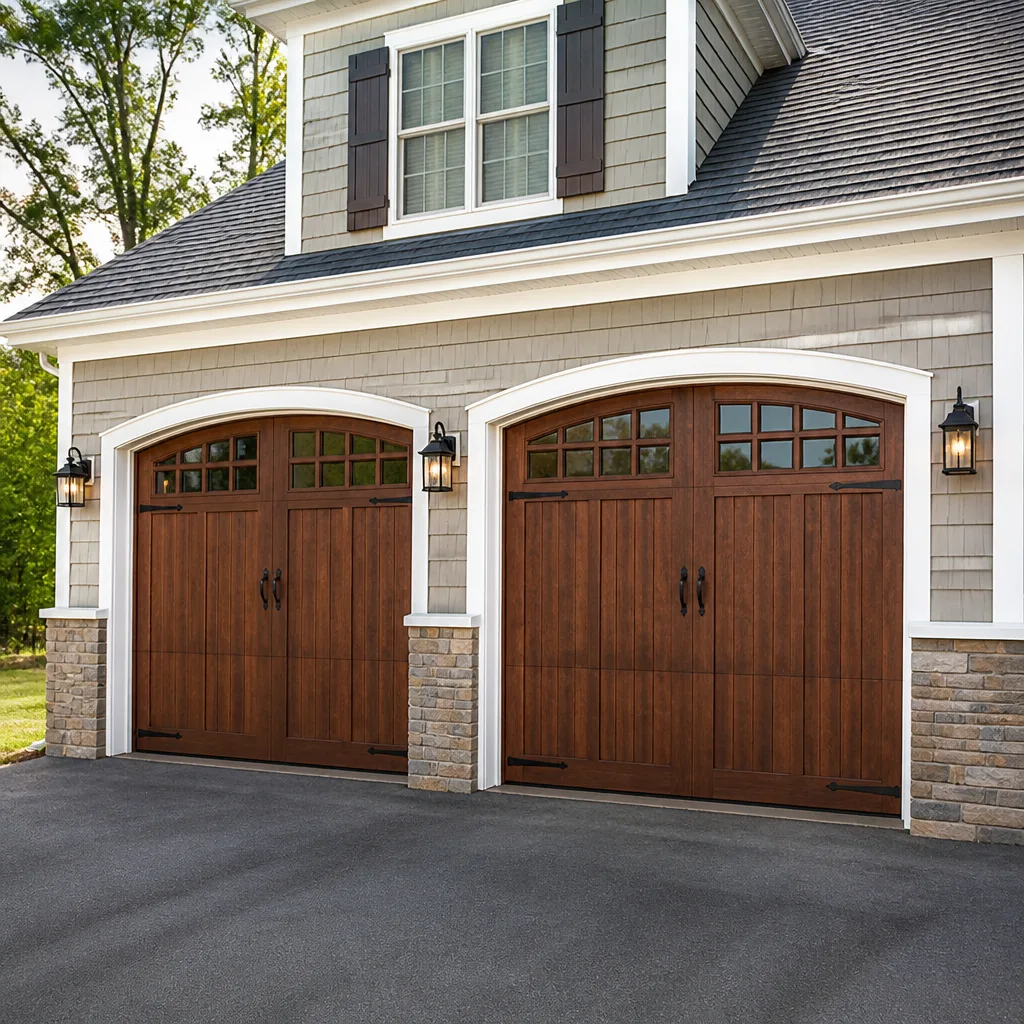 Carriage house
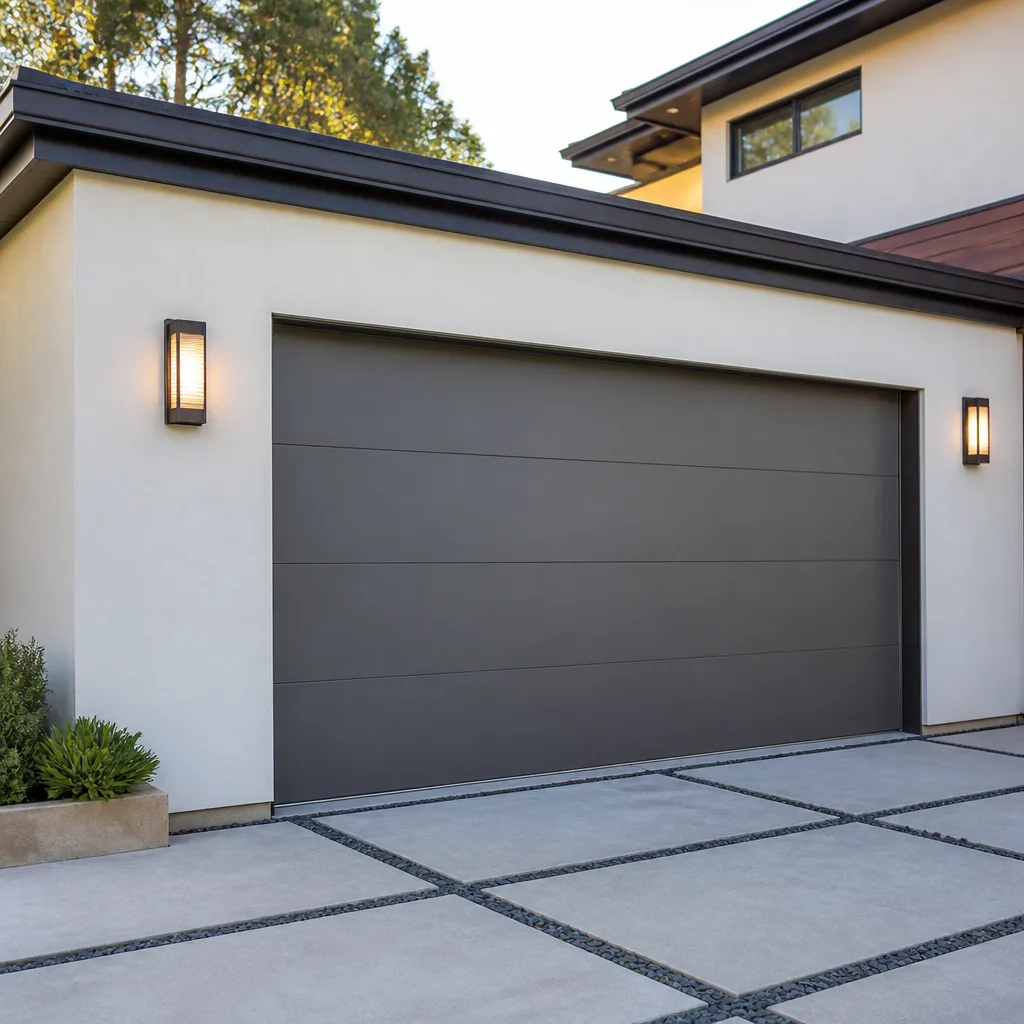 Modern flush
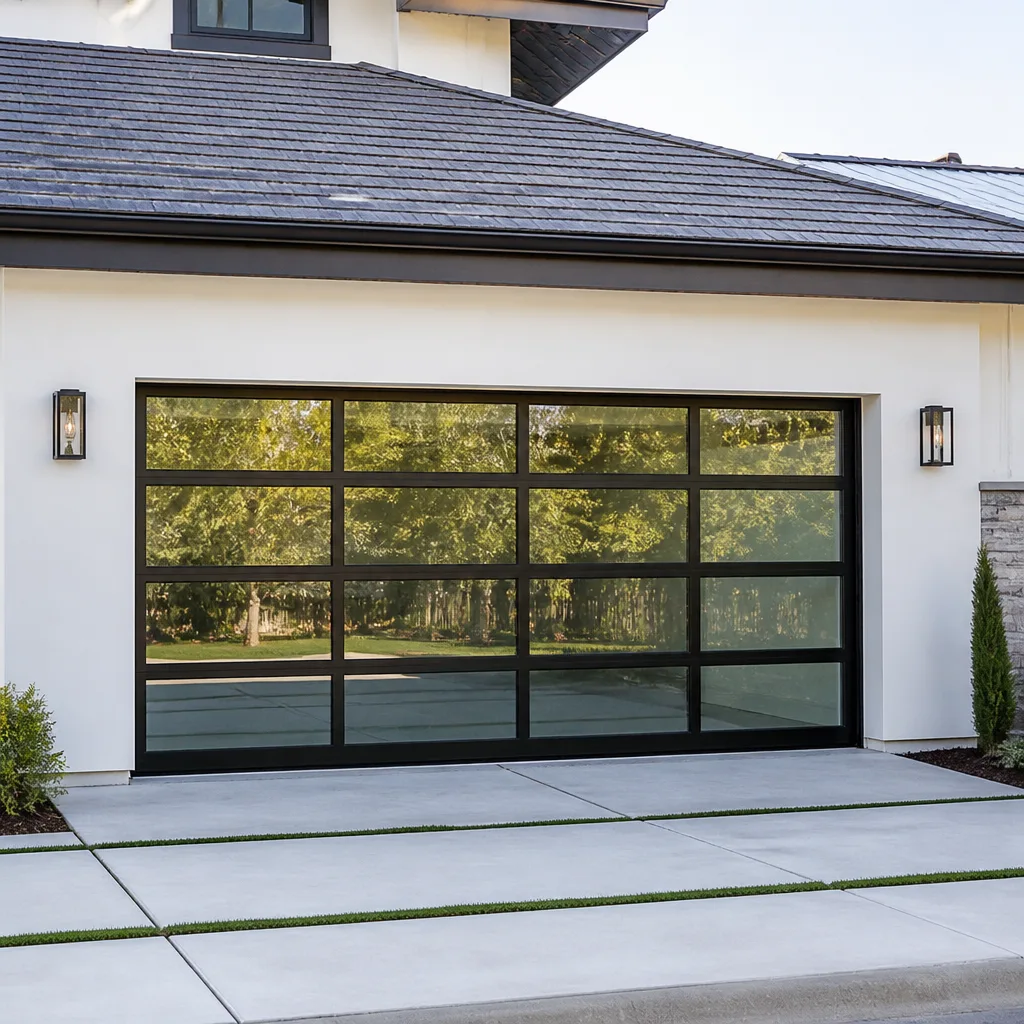 Full-view glass
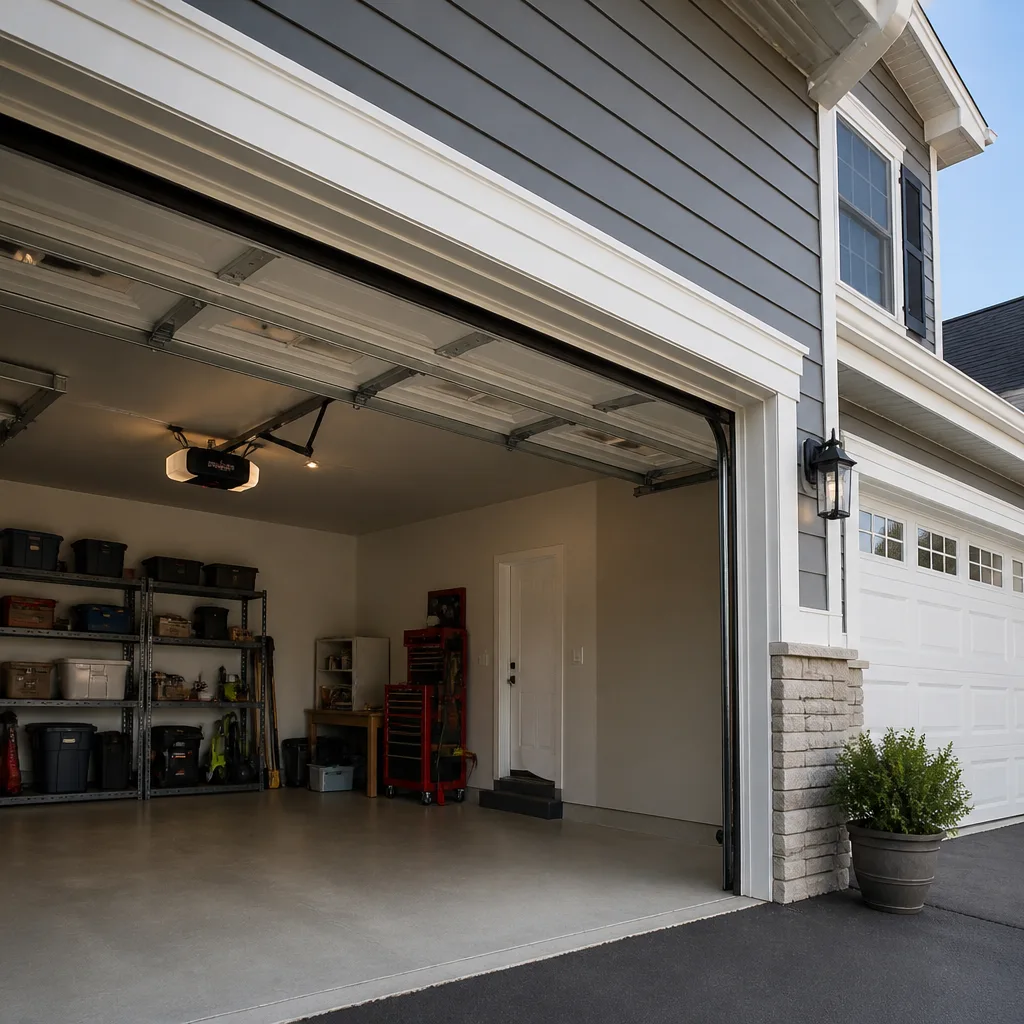 LiftMaster openers
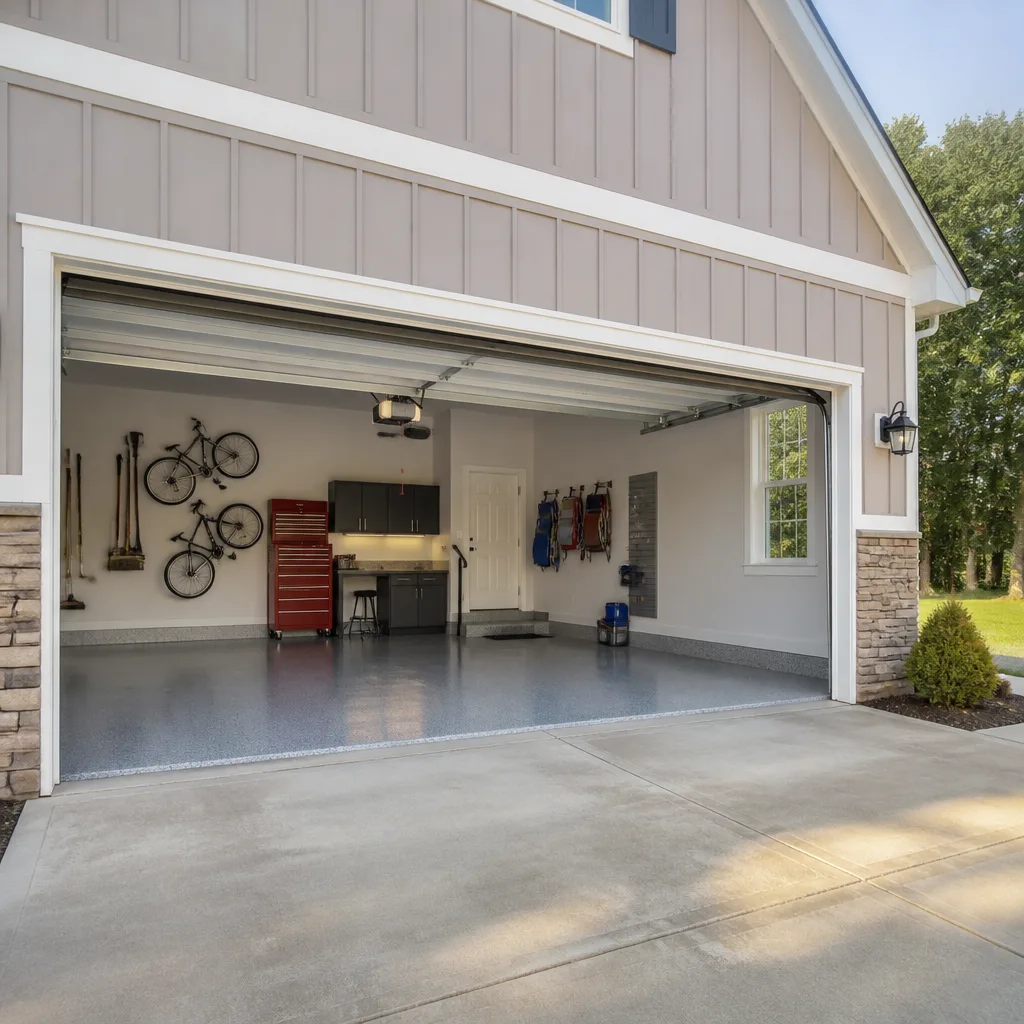 Chamberlain openers
Full 25-point door and opener safety check with every visit - springs, cables, rollers, tracks, and your LiftMaster or Chamberlain opener included
You get a price before we start. It does not change when the pro arrives.
Get your free estimateGarage Door Repair Maintenance Checklist for North Charleston Homeowners
A torsion spring that lasts 10,000 cycles in Denver might fail in 6,000 in a garage that bakes through a Lowcountry summer. Cycle count tells you how many times the door went up and down. It doesn’t tell you what the heat and humidity did to the metal while the door sat there. Most maintenance checklists floating around online were written for cold-climate homes, and they miss the two forces that actually wear out a door in North Charleston: heat expansion through the summer and the grit and moisture that humidity carries into every moving part. This guide is built around those realities, with a monthly walk-around, a seasonal schedule, and specific checkpoints for the brands you’ll find on doors across North Charleston.
Quick Answer
Check your garage door once a month with a five-minute walk-around: look at springs and cables, wipe down hinges, listen for grinding, and test the balance by hand. Then do deeper service twice a year in North Charleston – once in spring before hurricane season and once in fall. Lubricate every two to three months during the humid months, not once a year. Anything involving springs, cables, or the opener’s internal parts belongs with a trained technician.
Styles & brands we work with
- Raised-panel steel
- Carriage house
- Modern flush
- Full-view glass
- LiftMaster openers
- Chamberlain openers
Table of Contents
- Why a North Charleston Checklist Is Different
- The Monthly Five-Minute Walk-Around
- Summer Heat and the Balance Test
- Lubrication on a Humidity Schedule
- Hurricane Season Pre-Check: May and September
- Brand-Specific Maintenance Notes
- Opener Care: The Part Most Likely to Fail
- Common Mistakes to Avoid
- When to Call a Professional
- Frequently Asked Questions
Why a North Charleston Checklist Is Different
The standard garage door maintenance advice you’ll find online assumes a mild, dry climate with a stable temperature range. North Charleston doesn’t work that way. A garage here can hit well past 100°F inside during a July afternoon and then sit in the upper 70s overnight. That swing happens day after day for months, and every metal component in the door system expands and contracts with it. Springs, hinges, rollers, and track sections all move slightly with each cycle of heat and cool. That movement loosens fasteners, works grease out of bearings, and stresses the metal in ways a door in a stable climate never sees.
Humidity adds a second problem. Moisture in the air settles on bare metal and on any surface where dust collects. Lubricant that isn’t rated for humid conditions thins out, runs, and stops protecting anything. Grit carried in on the air mixes with the thinned grease and turns it into an abrasive paste that wears rollers and hinges from the inside out.
Then there’s the coastal question. Homes on the lower side of North Charleston and near the marsh sit in air that holds more moisture and carries more fine particulate than inland neighborhoods. Hardware that sits untouched in those garages oxidizes faster than the same hardware twenty miles inland. You won’t see it happen overnight. You’ll see it after a couple of summers, when a hinge that should move freely starts to squeak and then starts to stick.
The good news: all of this is manageable with the right schedule. The checklist below is built for a North Charleston garage, not a Denver one. If your door needs repair beyond maintenance, our garage door repair team handles that work across the area, and this guide tells you when to call.
The Monthly Five-Minute Walk-Around
Five minutes once a month catches most problems while they’re still cheap to fix. Do this with the door closed and the opener disconnected, and keep your hands away from springs and cables the entire time. Those two components are under extreme tension and can cause serious injury if they fail while you’re near them. Inspect them with your eyes only.
- Look at the springs. With the door closed, check the torsion spring above the door or the extension springs along the sides for visible gaps, rust streaks, or a stretched, uneven coil. A gap in a torsion spring means it’s cracked and needs professional replacement.
- Scan the cables. Look for fraying, kinks, or slack. Cables should run straight and tight. Anything else is a call-a-professional item, not a fix-it-yourself job.
- Wipe the hinges. Run a dry rag over each hinge and look at what comes off. Dark residue is normal. Orange or white crust means oxidation is starting, which is common on hardware in North Charleston garages that see heavy summer humidity.
- Check the rollers. Steel rollers should spin freely in their brackets. Nylon rollers should be smooth and round without flat spots. Wobble or a grinding sound means replacement.
- Test the safety reverse. Put a roll of paper towels under the door and close it. The door should reverse on contact. If it doesn’t, stop using the opener until it’s fixed.
Do this walk-around on the same day each month so it becomes habit rather than something you remember after a problem shows up. Write down anything that looks off. A note about a squeak in March becomes a useful history by September.
Summer Heat and the Balance Test
Here’s something most checklists skip: a door that’s perfectly balanced in January can drift out of balance by August. Heat expands the door panels, the track, and the springs at slightly different rates. Track sections that were aligned in cool weather can bow or shift as the metal heats, and a door that runs smoothly in the morning can bind in the afternoon. When the opener fights that binding, it wears faster and the door runs louder.
Test the balance once a month through the hot season. Disconnect the opener using the release cord, lift the door by hand to about waist height, and let go:
- Door holds its position: balanced, nothing to do.
- Door drifts down on its own: springs are losing tension. A slight drift is normal. A door that drops fast needs professional adjustment.
- Door drifts up on its own: springs are too tight, which stresses the opener.
- Door binds or scrapes in one spot: likely a track alignment issue from heat expansion.
Reconnect the opener only after you’re satisfied the door moves smoothly by hand. If the door binds, don’t force it with the opener. That’s how plastic gears strip and opener motors overheat.
One honest note on self-adjustment: track alignment and spring tension are not do-it-yourself items. A track can be nudged slightly with a rubber mallet if a section has clearly shifted, but springs are a hard stop. Torsion and extension springs store enormous energy, and the tools used to adjust them are specific and not something most homeowners own. Balance test results that point to spring problems mean a call, not a project. Our technicians have up to 13 years of experience with exactly this kind of heat-driven adjustment, and we can tell you in a few minutes whether your door needs a tune-up or a spring replacement.
Lubrication on a Humidity Schedule
Annual lubrication is the standard advice, and in North Charleston it’s not enough. Humidity breaks down lubricant faster than dry air does, and the grit that comes with it turns thinned grease into an abrasive. A door that gets lubed once a year in this climate spends several months running on dry metal. Adjust the schedule:
- March through October: lubricate every two to three months.
- November through February: once, in late fall, is usually enough.
- After any stretch of heavy rain or high humidity: a quick touch-up on hinges and rollers.
What to use matters as much as when. A white lithium grease or a garage-door-specific spray lubricant works well on hinges, rollers, and the torsion spring. Avoid general-purpose household oil and anything that stays wet and tacky, because sticky lubricant collects grit and holds it against the metal. Silicone spray is the right choice for the tracks and for any plastic or nylon components, since it dries without a film that traps dirt. Never lubricate the tracks with grease. Tracks should stay clean and dry so the rollers can glide.
While you’re lubricating, wipe down each hinge and roller bracket with a dry cloth first. In North Charleston, that wipe-down step does real work: it removes the fine grit that would otherwise get pushed into the bearing surfaces when you apply fresh lubricant. Skip it and you’re grinding the abrasive in rather than cleaning it out.
Hurricane Season Pre-Check: May and September
Hurricane season in North Charleston runs from June through November, and the two best times to check your door are just before it starts in May and again at the September peak. A garage door is the largest opening in most homes, and a door that’s loose, poorly sealed, or missing hardware gives wind an entry point. You don’t need to be an engineer to spot the problems. You do need to check the same things every year.
- Check the bottom seal. With the door closed, look along the bottom edge. The seal should touch the floor evenly with no gaps or tears. A worn seal lets wind-driven rain in and lets conditioned air out year-round.
- Torque-check the hinges and brackets. Loose hinge screws are common after a summer of expansion and contraction. Tighten any that turn easily, but stop if a screw spins without grabbing. That means the wood behind it has softened and needs a longer fastener or professional attention.
- Inspect the track mounts. The brackets that hold the track to the wall and ceiling should be tight and straight. Any bracket that’s pulled away from its mounting point weakens the whole door’s resistance to wind load.
- Look at the panels. Check for loose panels, missing fasteners, or dents that could let wind catch an edge. A panel that rattles when the door moves needs attention before storm season.
- Test the opener’s force settings. A door that struggles to close against normal resistance may need a force adjustment. The owner’s manual for your LiftMaster or Craftsman unit explains the procedure.
If your door has a manufacturer’s wind-load rating, keep the paperwork where you can find it. If you’re not sure what your door is rated for, that’s worth knowing before a storm rather than after. When something in this pre-check doesn’t look right, that’s the moment to get it looked at, not the week a storm is forecast.
Brand-Specific Maintenance Notes
Different doors wear in different ways. Knowing what’s on your door helps you focus your inspections. We work on eight of the most common residential brands – LiftMaster, Chamberlain, Genie, Clopay, Amarr, Wayne Dalton, Craftsman, and Raynor – and each one has its own maintenance rhythm.
Clopay
Clopay steel doors are common across North Charleston, and their track and roller assemblies hold up well but benefit from regular attention. Check the nylon rollers every two to three months and replace any that have flat spots. Clopay’s steel panels are also worth wiping down a few times a year. Dust and grit collect along the panel seams and hold moisture against the paint. A quick wipe keeps the finish intact and prevents the kind of oxidation that starts at the edges.
Wayne Dalton
Wayne Dalton doors, especially the TorqueMaster spring systems on some models, use a torsion spring contained inside a tube. That design is safer to live with, but the tube itself should be inspected for rust streaks or a door that suddenly runs heavy. A TorqueMaster system that’s lost tension won’t show a visible gap the way an open torsion spring does, so the balance test matters more than the visual check. If the door feels heavy by hand, get it checked.
Amarr
Amarr doors tend to have sturdy track systems but their hinges and rollers still respond to the same humidity schedule. Amarr’s steel doors are often finished with a factory coating that holds up well, but the hardware underneath doesn’t get that protection. Wipe the hinges monthly and watch for the orange residue that signals oxidation starting. Amarr doors with polyurethane insulation should also be checked for seal integrity around the panel edges, since a broken seal lets moisture into the core.
Opener brands: LiftMaster and Craftsman
On the opener side, LiftMaster and Craftsman units make up a large share of what’s installed in North Charleston garages. Both respond well to the same basic care: keep the rail clean and lightly lubricated, check the safety sensors for alignment, and listen for a change in motor sound. A LiftMaster that starts running louder usually has a worn gear or a dry rail. A Craftsman that reverses for no reason often has misaligned sensors or a force setting that needs adjustment.
If your brand isn’t on this list, ask before booking. We’ll tell you straight whether it’s something we service. One call covers it: repair, opener service, and installation, all from the same team, so there’s no juggling between companies when your needs change.
Opener Care: The Part Most Likely to Fail
The opener is usually the first thing to fail in any garage door system, and it’s also the component most homeowners neglect until it stops working. The opener does more than lift the door. It manages the safety reverse, the force limits, and the travel limits, and each of those needs occasional attention.
Here’s a simple monthly routine for the opener:
- Test the safety reverse. Put an object under the door and close it. It should reverse on contact. This is the single most important safety check on the whole system.
- Wipe the safety sensors. The two small lenses near the floor collect dust and spider webs. A soft cloth on each one fixes most “door won’t close” complaints.
- Listen to the motor. A new grinding, clicking, or straining sound is an early warning. Catch it early and it’s usually a small repair.
- Check the rail. The rail should have a light coat of lubricant and no debris. A dry rail makes the motor work harder and shortens its life.
If your opener is older and you’re weighing repair against replacement, we’ll tell you which one actually makes sense for your door. A garage door opener repair is often the better call when the motor and rail are sound; a full replacement makes more sense when the unit is on its last legs and parts are getting hard to source. Call (888) 655-8807 for a free estimate and an honest recommendation.
Common Mistakes to Avoid
- Lubricating once a year. That’s northern-climate advice. In North Charleston humidity, lubricant breaks down faster, and a door that gets serviced annually spends months running dry. Lube every two to three months through the warm season.
- Using the wrong lubricant. Household oil and thick grease attract grit and turn into an abrasive paste. Stick with white lithium grease on hinges and rollers, and silicone spray on tracks and nylon parts.
- Adjusting springs yourself. Torsion and extension springs are under extreme tension. A spring that releases unexpectedly can cause serious injury. This is the one maintenance item that always belongs with a trained technician, no exceptions.
- Ignoring a door that runs louder. A door that gets progressively noisier is telling you something is loosening or wearing. Catch it at the squeak stage and the repair is usually small.
- Skipping the pre-hurricane check. Loose hinges, worn bottom seals, and pulled track brackets are easy to spot in May and costly to discover during a storm. Two checks a year, in May and September, cover the season.
- Forcing a binding door with the opener. If the door binds by hand, the opener will only make it worse. Forcing it strips gears and overheats the motor. Stop and get it looked at.
- Assuming the brand doesn’t matter. A Clopay, a Wayne Dalton, and an Amarr each wear in their own way. Knowing your brand and its specific weak points makes your monthly inspection more useful.
When to Call a Professional
Some maintenance is yours to do: the monthly walk-around, the wipe-downs, the lubrication, the safety reverse test. Other work needs a trained technician, and the line is clearer than most people think. Call a professional when a spring shows a visible gap, when a cable is frayed or slack, when the door binds or won’t stay balanced after a hand test, when the opener runs but the door doesn’t move, or when the safety reverse fails and a simple sensor wipe doesn’t fix it. Also call if your door has been hit, if a panel is loose, or if you’re not sure what you’re looking at.
Rainier Garage Door Repair offers free estimates in North Charleston. We work on LiftMaster, Chamberlain, Genie, Clopay, Amarr, Wayne Dalton, Craftsman, and Raynor systems, and we’ll tell you plainly whether you’re looking at a repair or a replacement. Call (888) 655-8807. We answer 24/7, with fast dispatch from 7am to 7pm.
Frequently Asked Questions
Do a five-minute walk-around once a month and a deeper service twice a year – once in May before hurricane season and once in fall. Lubricate every two to three months through the warm season rather than once a year, because humidity breaks down lubricant faster here than in dry climates. Call (888) 655-8807 for a free estimate if anything in the walk-around looks off.
You can lubricate hinges, rollers, and the opener rail yourself with white lithium grease or a garage-door spray. Use silicone spray on tracks and nylon parts, and keep grease off the tracks entirely. Leave the springs and cables alone – those are under extreme tension and belong with a trained technician. Call (888) 655-8807 with any questions.
Heat causes the door panels, track, and springs to expand at different rates. A door that’s balanced in January can bind or drift out of balance by August as the metal heats up. Run the hand balance test – disconnect the opener, lift the door to waist height, and let go. If it drifts fast or binds, it needs professional adjustment. Call (888) 655-8807 for a free estimate.
A torsion spring with a visible gap in the coil is cracked and needs replacement. Extension springs that are stretched or show a gap between coils are also worn. Rust streaks and a door that suddenly feels much heavier than usual are other signs. Springs are dangerous to handle, so get them checked by a professional. Call (888) 655-8807.
Check the bottom seal for gaps and tears, torque-check the hinge screws and track brackets, and look for loose panels. These are the points where wind and rain get in. If a screw spins without grabbing, the wood behind it has softened and needs professional attention. Call (888) 655-8807 before storm season if anything looks loose.
Yes. A Clopay needs regular nylon roller checks and panel seam wipe-downs, a Wayne Dalton with a TorqueMaster system needs the balance test more than the visual spring check, and an Amarr needs hinge oxidation watch plus seal integrity around insulated panels. We service all eight major brands – LiftMaster, Chamberlain, Genie, Clopay, Amarr, Wayne Dalton, Craftsman, and Raynor. Call (888) 655-8807 to book service.
The Bottom Line
A garage door in North Charleston lives through heat swings and humidity that most maintenance checklists ignore. The schedule that works here is a monthly five-minute walk-around, lubrication every two to three months through the warm season, a balance test through the summer, and a pre-hurricane check in May and again in September. Know your door’s brand and its specific wear points. Do the simple work yourself, and leave springs, cables, and opener internals to a trained technician. If something in this guide raises a flag, our Rainier Garage Door Repair team can look at it and tell you straight what it needs.
One call covers it – repair, opener service, or full installation, across LiftMaster, Chamberlain, Genie, Clopay, Amarr, Wayne Dalton, Craftsman, and Raynor. Our technicians have up to 13 years of experience, and we’ll tell you clearly whether a repair or a replacement actually makes sense. If you live elsewhere in the area, our North Charleston service area page has more on what we cover. Call (888) 655-8807 for a free estimate. We answer 24/7, with fast dispatch from 7am to 7pm.
Written by the team at Rainier Garage Door Repair.
See the difference
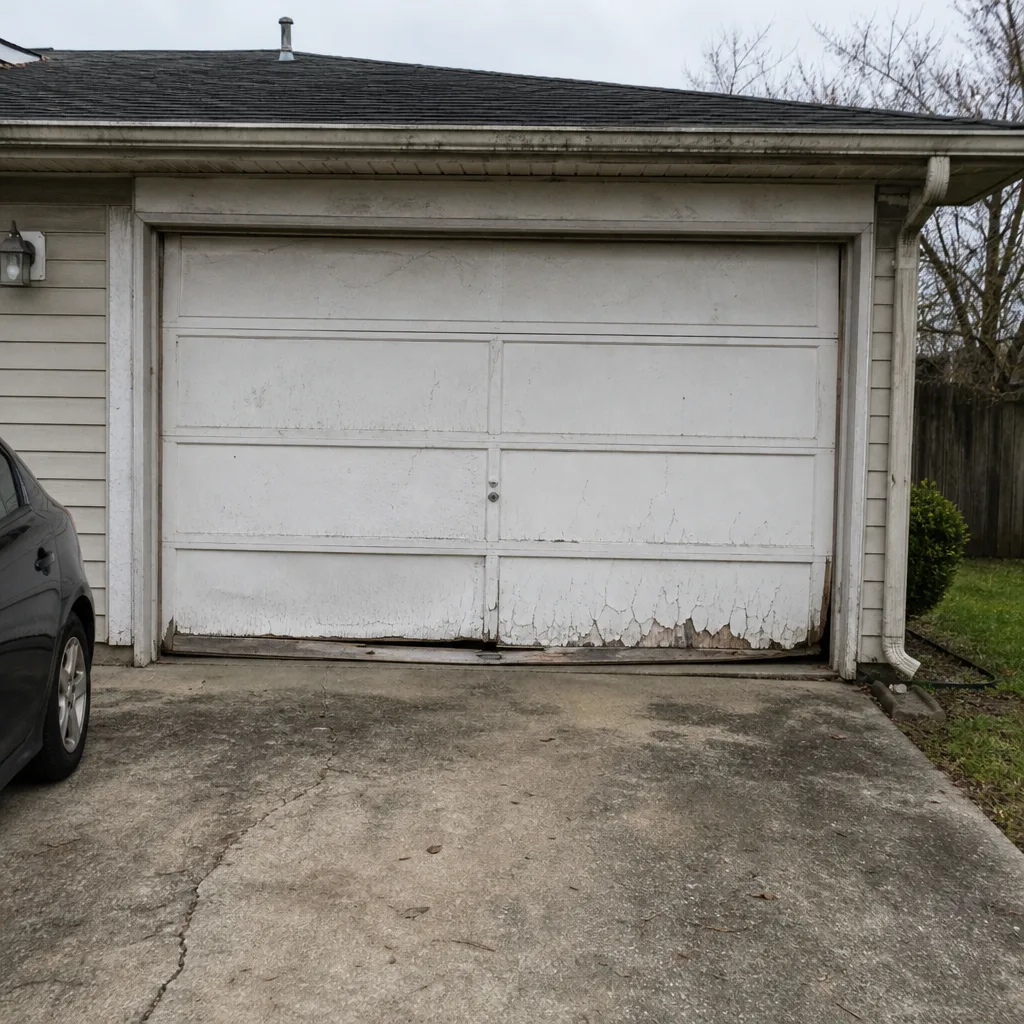 Before
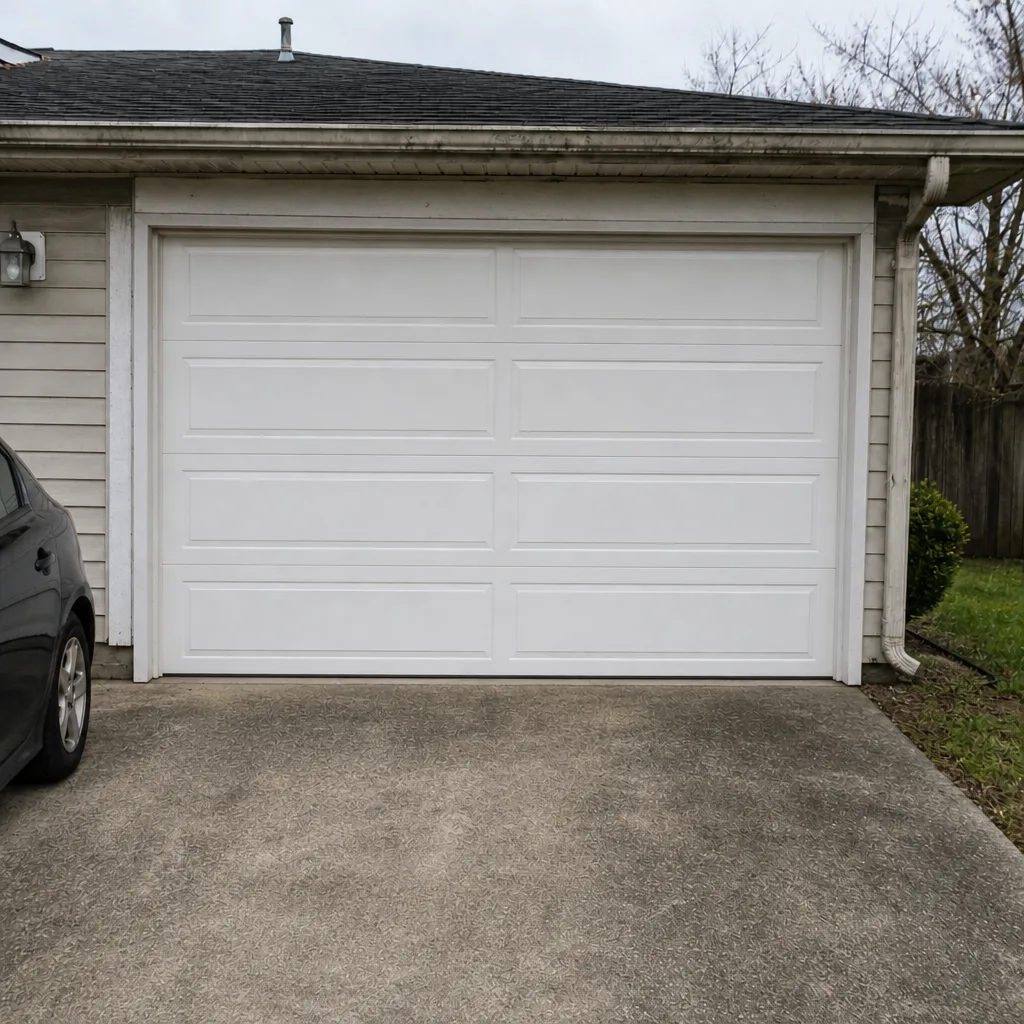 After
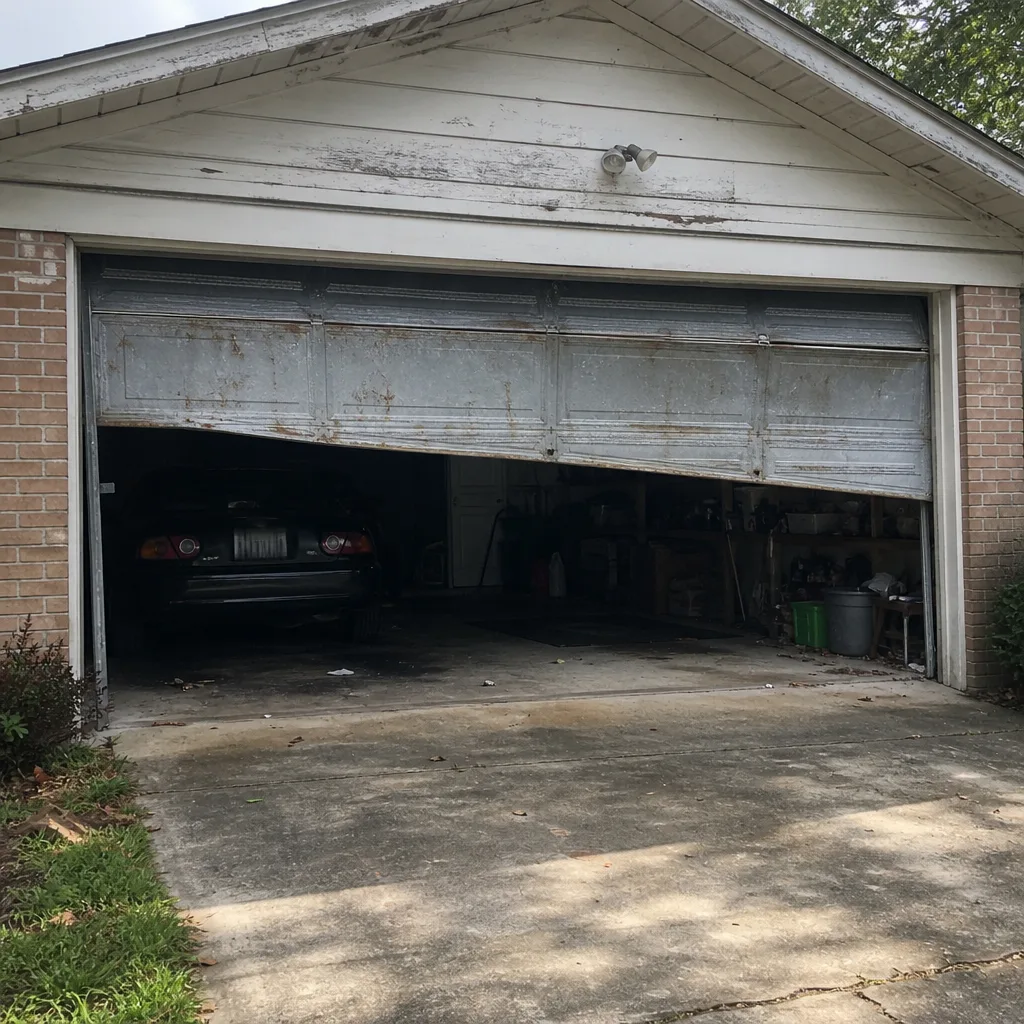 Before
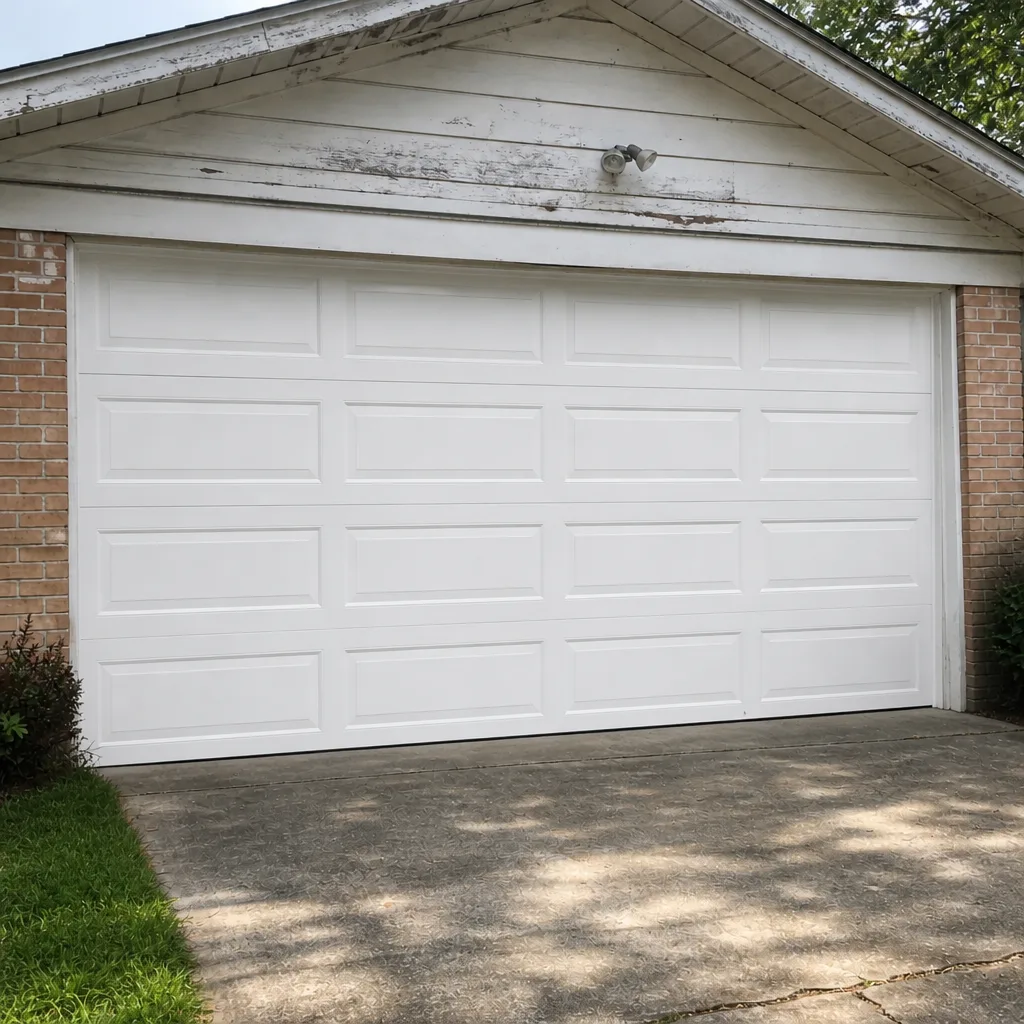 After
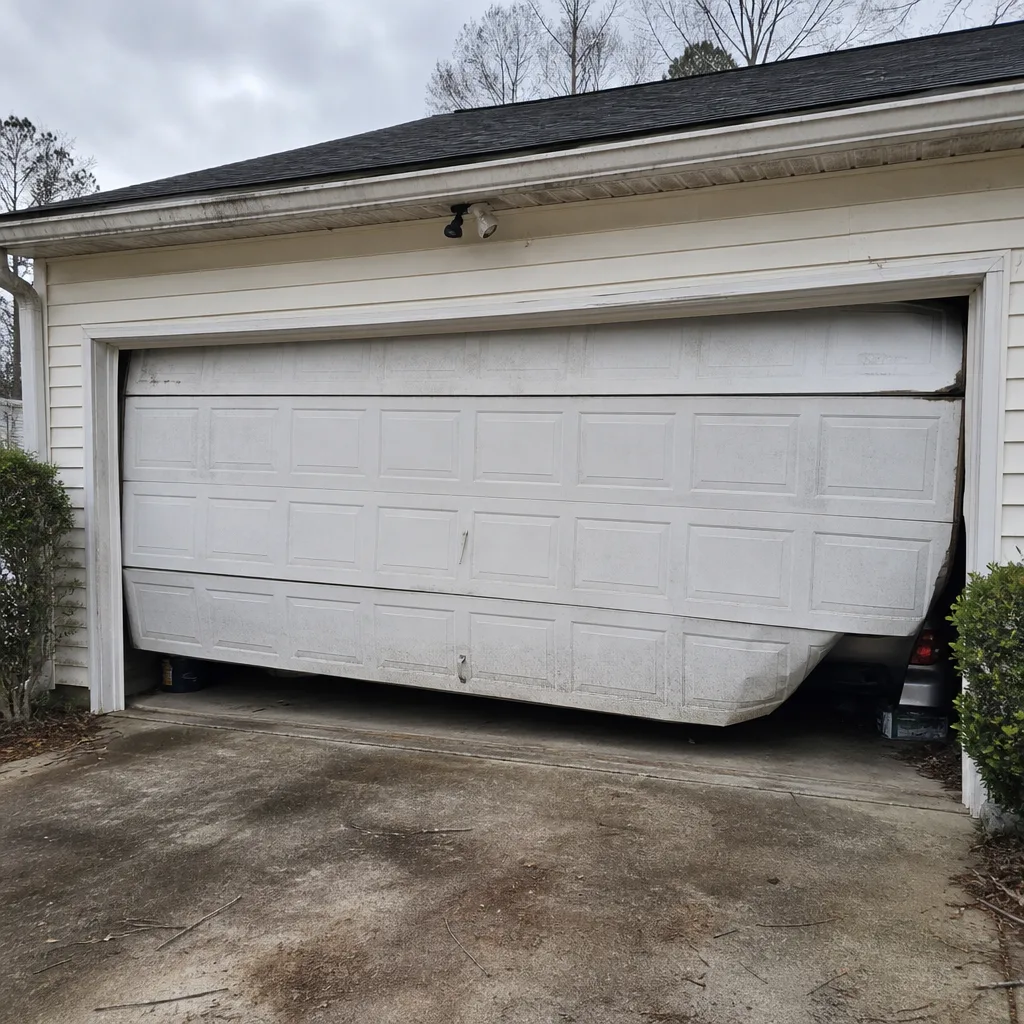 Before
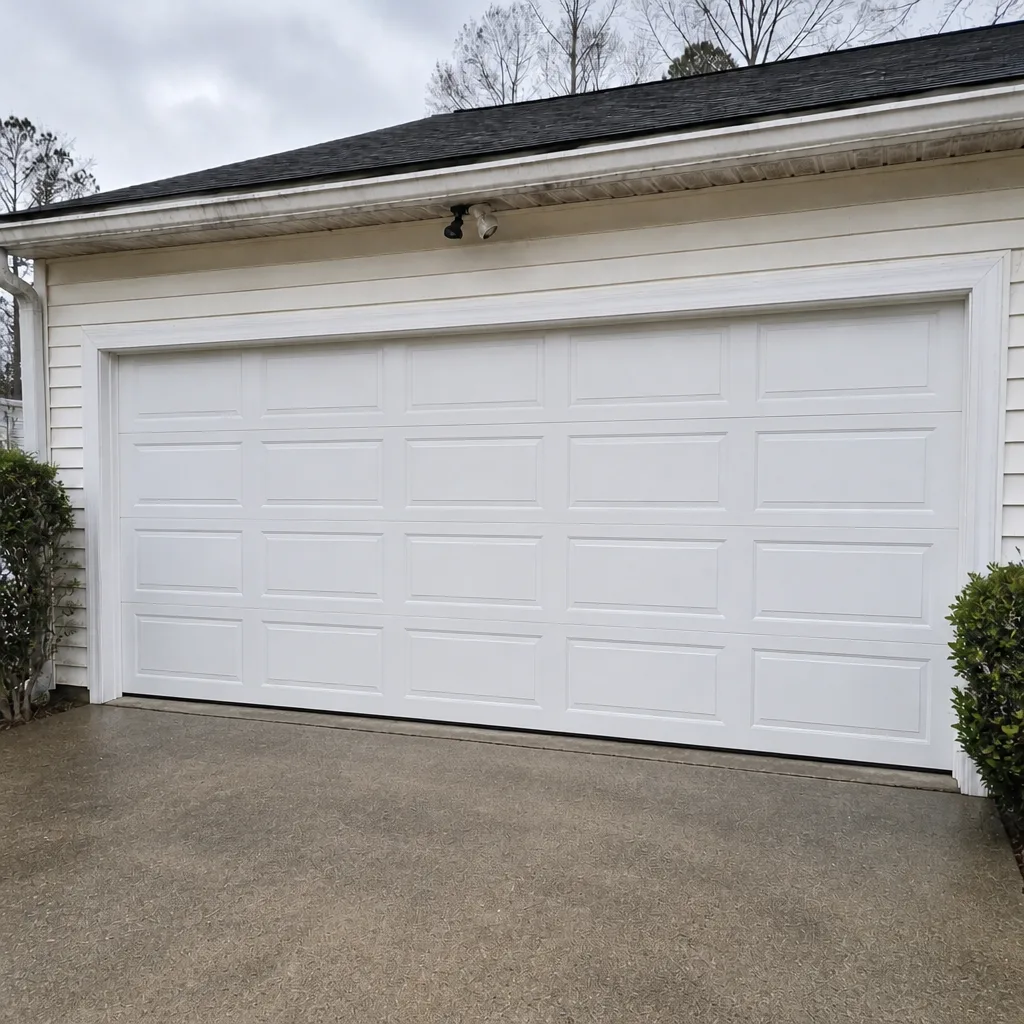 After