
Last updated November 15, 2026
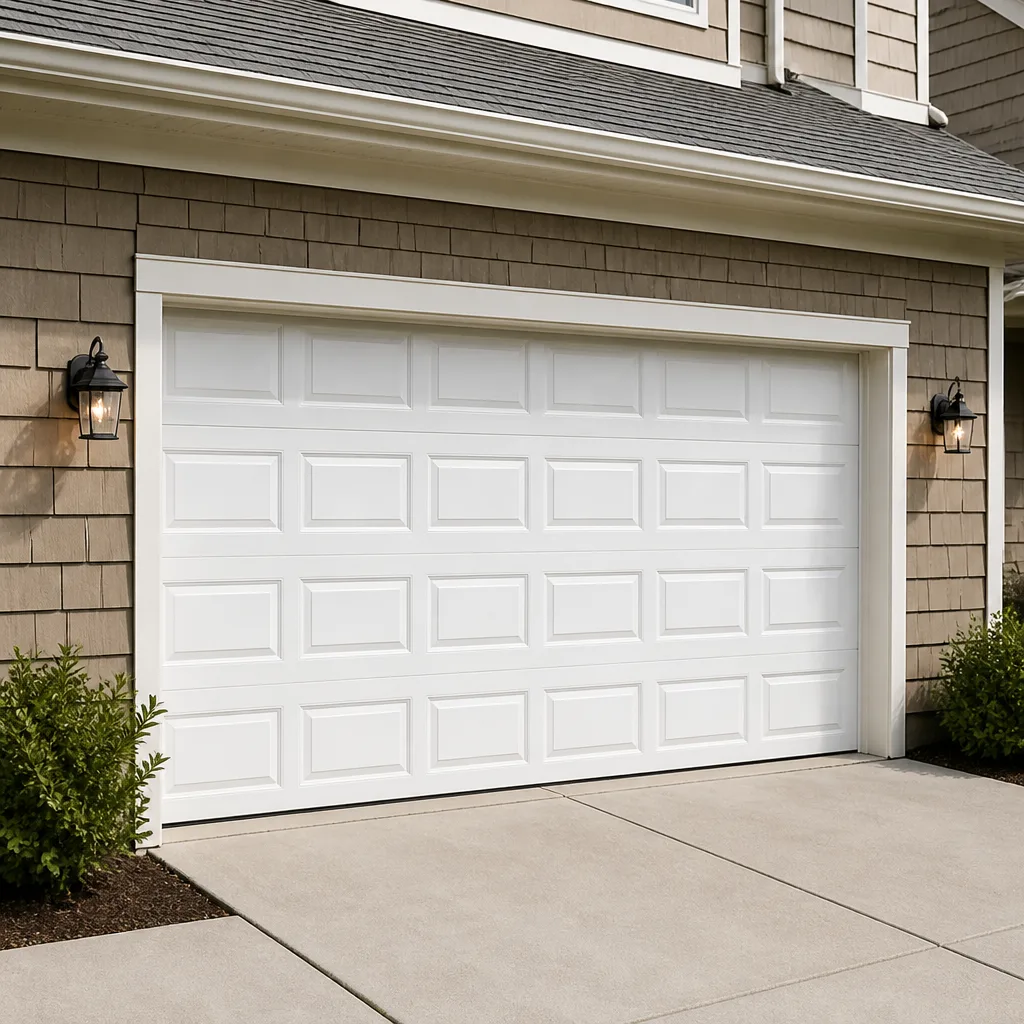 Raised-panel steel
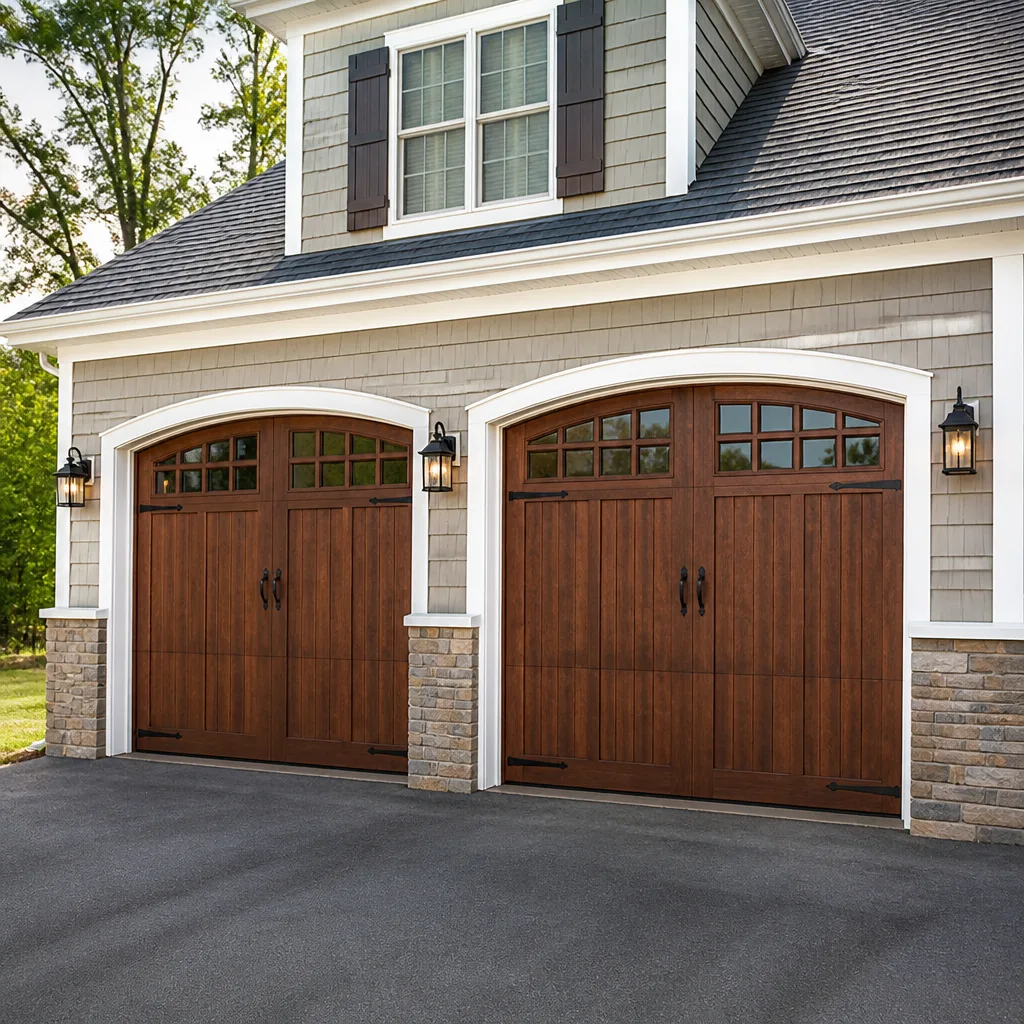 Carriage house
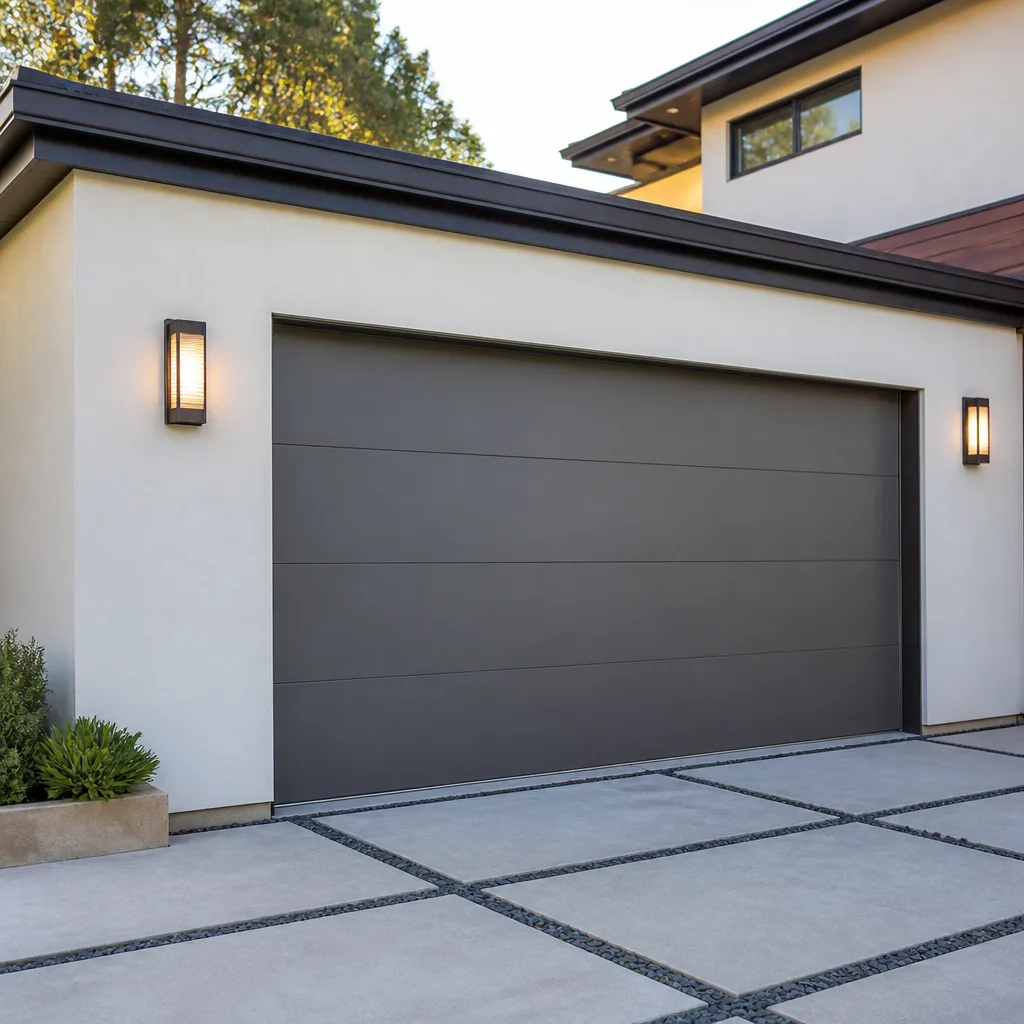 Modern flush
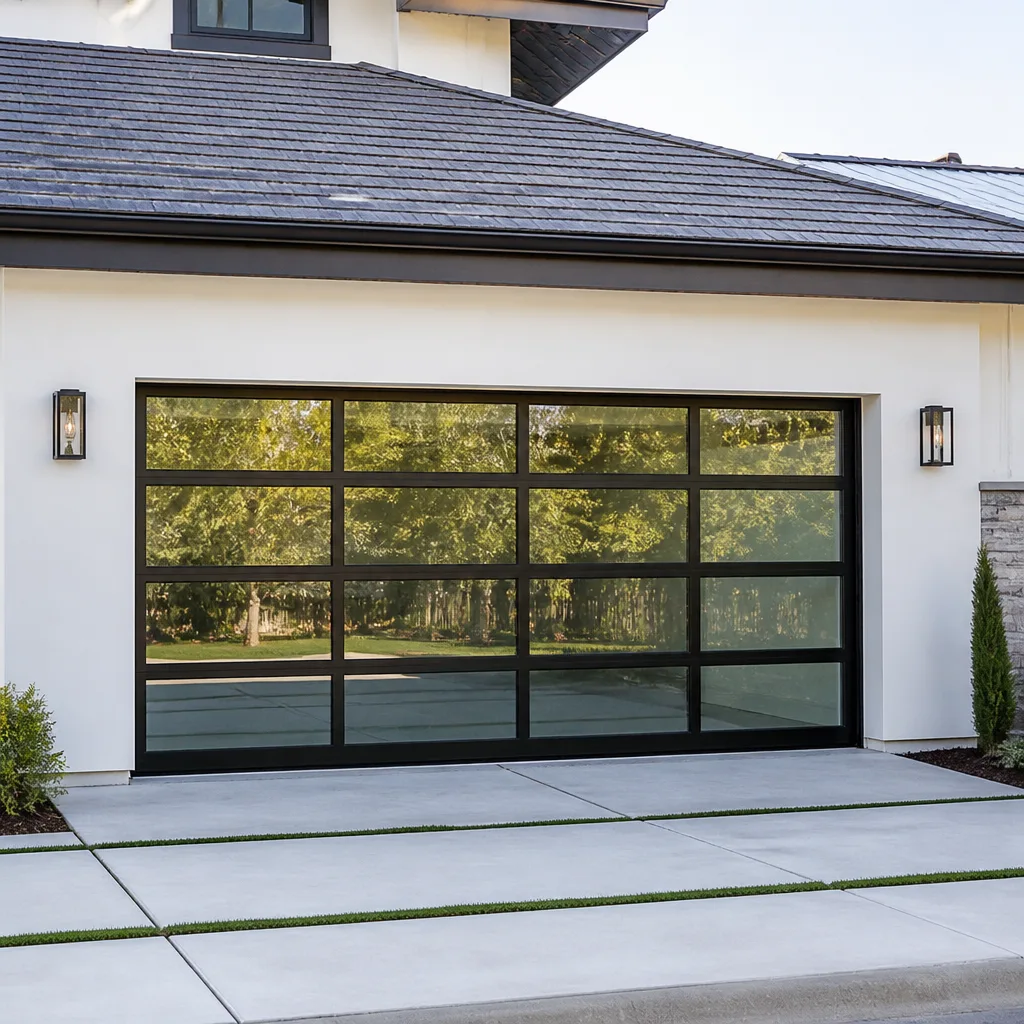 Full-view glass
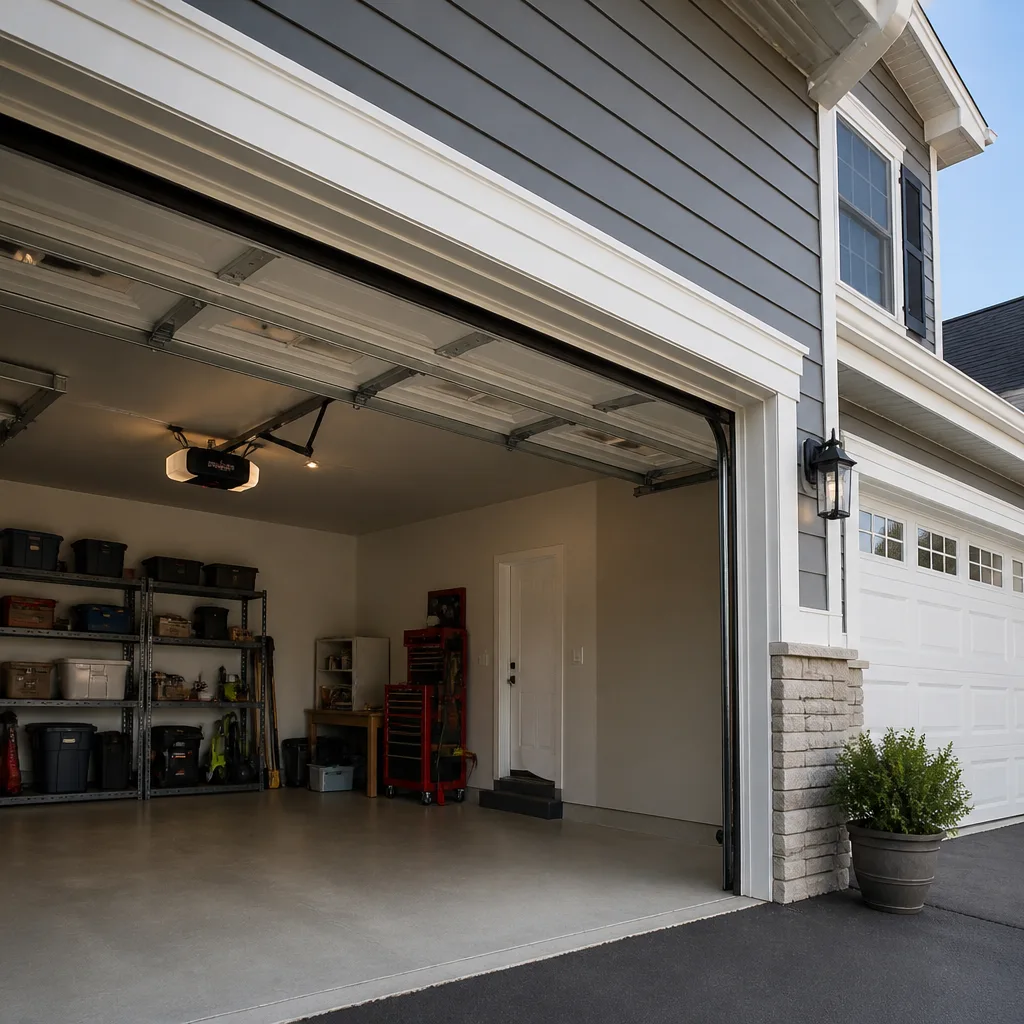 LiftMaster openers
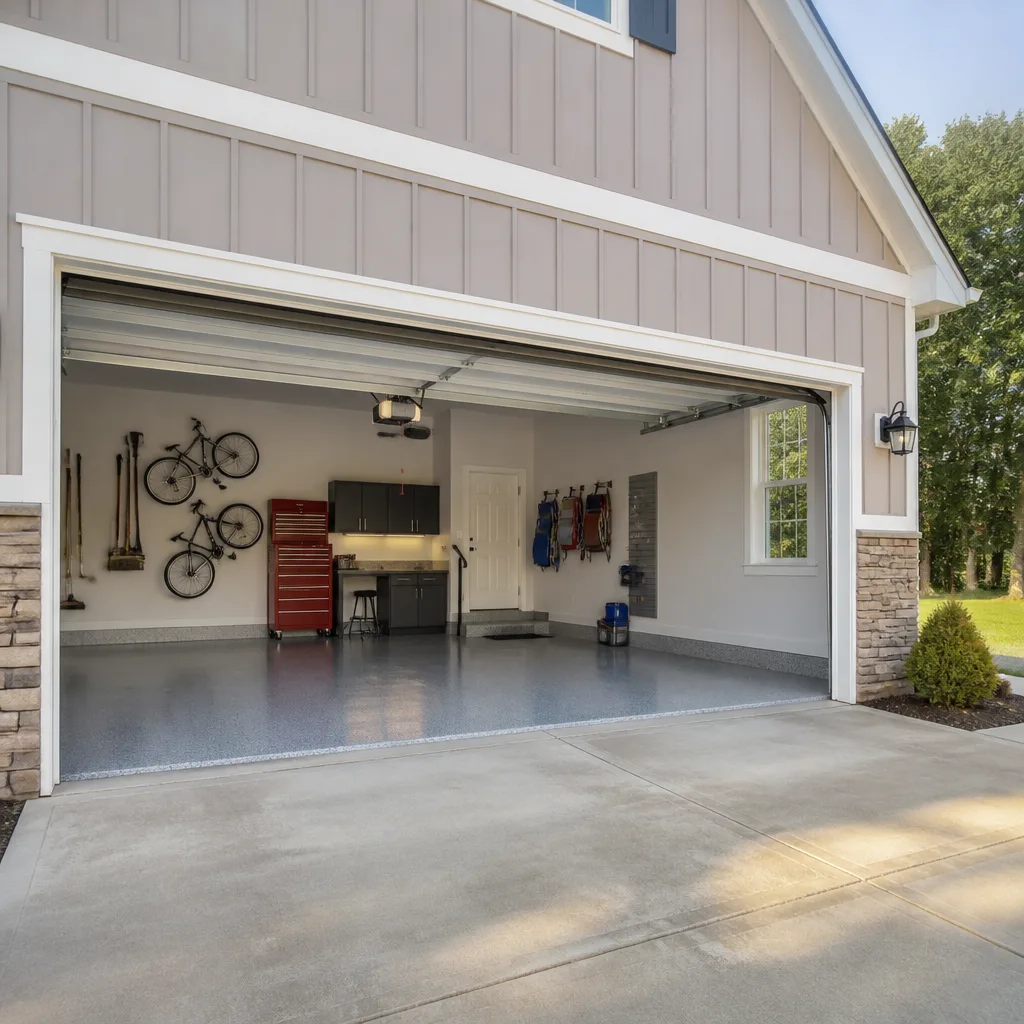 Chamberlain openers
Full 25-point door and opener safety check with every visit - springs, cables, rollers, tracks, and your LiftMaster or Chamberlain opener included
You get a price before we start. It does not change when the pro arrives.
Get your free estimateSeasonal Garage Door Care for North Charleston: Year-Round Homeowner’s Guide
Most garage door care calendars were written for places with four clean seasons, and they don’t fit North Charleston. Here the year splits differently: a pollen flush in spring that coats every moving part in a yellow-green film, a summer that turns garages into heat boxes, a hurricane window that overlaps the hottest months, and a short wet-cold winter that wears rubber faster than a dry freeze ever would. The result is that “off-season” maintenance doesn’t really exist in North Charleston. There’s always something stressing the door. This guide walks through what to watch in each stretch of the year, what you can reasonably handle yourself, and where a professional needs to step in. By the end you’ll have a simple month-by-month routine and a clear sense of when to stop tinkering and call.
Quick Answer
Seasonal garage door care in North Charleston means cleaning pollen off the tracks, rollers, and photo-eye sensors each spring before the heat bakes it on; checking spring tension, opener motor behavior, and weatherstripping through the summer; running a pre-storm checklist during hurricane season from June through November; and inspecting bottom seals and hardware each winter for wet-cold cracking. Because the humidity baseline here stays high year-round, a quick monthly check matters more than a single deep tune-up once a year.
Styles & brands we work with
- Raised-panel steel
- Carriage house
- Modern flush
- Full-view glass
- LiftMaster openers
- Chamberlain openers
Table of Contents
- Why Generic Seasonal Advice Misses North Charleston
- Spring (March – May): The Pollen Flush Protocol
- Summer (June – August): Heat, Springs, and Opener Limits
- Hurricane Season (June – November): The Pre-Storm Checklist
- Winter (December – February): The Wet-Cold Cycle
- Year-Round Humidity: Why Off-Season Doesn’t Exist Here
- Your Monthly 10-Minute Check
- Common Mistakes to Avoid
Why Generic Seasonal Advice Misses North Charleston
The manual that came with your door was likely written by an engineer picturing a garage in a temperate climate, where summers are warm but not punishing and winters bring a clean, dry freeze. That picture doesn’t match North Charleston. The Lowcountry’s defining feature for anything made of rubber, steel, or electronics is moisture. It’s in the air most of the year, and then spring drops a heavy layer of pine pollen on top of it.
Here’s what that combination does that a standard care calendar misses:
- Pollen isn’t just dirty, it’s abrasive. Pine pollen carries a gritty texture. When it settles on the tracks and rollers and stays there, it acts like a fine grinding paste every time the door moves. Left through the first hot weeks, it can accelerate wear on the very parts that keep the door quiet and aligned.
- Pollen plus humidity equals gum. The photo-eye sensors in your garage door system are small lenses, and pollen sticks to them. A dirty lens interrupts the safety beam and can make a perfectly healthy door reverse or refuse to close. It’s one of the most common “my door is broken” calls we hear, and it’s a five-minute fix once you know to look for it.
- Humidity keeps everything slightly damp. In drier climates, the “off-season” means the door sits in stable, low-moisture air. In North Charleston, the metal hardware, hinges, and springs are working against ambient moisture almost every week of the year. There’s no dormant stretch.
- The hurricane window sits in the middle of summer. When the hottest, most humid months arrive, so does the possibility of a named storm. That changes what a “pre-season check” needs to include.
Once you accept that North Charleston has a five-month stress season, a three-month storm season overlapping it, and a wet winter, the care routine becomes obvious: smaller, more frequent checks that follow the weather rather than the calendar.
Spring (March – May): The Pollen Flush Protocol
Spring is the most important care window of the year in North Charleston, and it has almost nothing to do with warmth. The pine pollen flush between March and May coats tracks, rollers, hinges, and sensor lenses in a film that hardens as temperatures climb into summer. If you clean once and forget, the second coat bakes onto the same surfaces and turns from an annoyance into a wear problem.
Here’s the sequence to run. Do it early in the season and again around the first week of June when the pollen drops off:
- Wipe the tracks, not the door first. Use a damp cloth or a soft brush down the inside of each vertical and horizontal track to lift the pollen film before it sets. Follow with a dry cloth. Don’t spray lubricant directly into a dirty track, because you’ll just trap grit under it.
- Clean the photo-eye lenses. Find the two small sensors mounted near the floor on either side of the opening. Wipe each lens with a soft, dry cloth. Point one at the other and check that the indicator light stays solid when you wave your hand through the beam.
- Blow out the bottom seal. The rubber seal along the bottom of the door collects pollen and yard debris in the folds. Run a cloth along its edge so grit doesn’t grind into the seal every time the door cycles.
- Lubricate the moving parts you can reach. A small amount of a garage-door-safe lubricant on the rollers, hinges, and the torsion bar bearings (never on the tracks themselves) keeps everything gliding. Use less than you think you need; excess attracts pollen.
- Check the door balance. Disconnect the opener (pull the emergency release) and lift the door halfway by hand. It should stay put. If it drifts down or feels heavy, the springs are losing tension and it’s time for a technician.
One safety note before you start: never try to adjust, wind, or unwind the torsion springs above the door. Those springs are under extreme tension, and a sudden release can cause serious injury. Balance checks are safe. Spring work is a job for a trained professional. That’s not a sales line: it’s the one part of garage door maintenance where a confident homeowner can get hurt.
If your door uses a LiftMaster or Chamberlain opener with a battery backup, this is also a good time to run a quick test cycle by unplugging the opener and confirming the door still opens and closes on backup power.
Summer (June – August): Heat, Springs, and Opener Limits
Summer in North Charleston pushes the garage into a different set of problems, and the main one is heat. A closed garage with no ventilation can climb far past outdoor temperatures through the day. Your door and opener live in that heat box every July, and the parts respond.
Three things to watch:
- Spring tension and heat. Steel torsion and extension springs expand and lose a little tension as they heat, then contract again overnight. Over a long summer, that daily expansion cycle can make a tired spring fail without warning. If your door starts feeling heavier, or stops mid-cycle, have it looked at before it fails entirely. A single spring price is one thing; a snapped spring that drops the door is another.
- Opener motor thermal limits. Most residential openers (Genie and Chamberlain units included) have a thermal cutoff that protects the motor from overheating. If your opener stops working mid-afternoon in July and starts again an hour later, that’s likely the cutoff tripping repeatedly. It usually means the door is running heavier than it should, or the motor is struggling. Don’t ignore a repeat pattern.
- Weatherstripping compression. The rubber weatherstripping around the door opening softens in the heat. It can compress, distort, and lose its seal. Check it on a hot afternoon – if you can see daylight around the edges of the closed door, it’s time to replace that section.
Practical summer steps for North Charleston homeowners:
- Clear the garage of stored heat-trapping clutter where possible, and leave the inner door cracked during the day if it’s safe to do so. A cooler garage is easier on the opener motor.
- Listen to the opener at the end of the day. A strained, grinding, or rattling cycle in hot weather is a warning sign.
- Inspect the rubber seal along the bottom and sides for cracks that formed over the spring. Heat makes old cracks spread.
- Keep the tracks clear of summer grit and check rollers for flat spots.
For doors in older North Charleston neighborhoods where the same hardware has cycled through a lot of hot summers, this is also the season a technician can catch a tired spring before it strands the car inside. For garage door repair in the middle of a heat wave, having someone confirm whether the issue is the spring, the track, or the opener saves the guesswork.
Hurricane Season (June – November): The Pre-Storm Checklist
Hurricane season overlaps the hottest part of the year in North Charleston, and it changes what “seasonal care” means. The goal in this window isn’t just to keep the door working, it’s to make sure a storm doesn’t leave you stuck with a door that won’t open, won’t close, or that fails under wind pressure. Run this checklist when a storm is forecast, and again at the start of the season:
- Test the manual release. Find the red emergency release cord hanging from the opener rail. With the door closed, pull it and confirm the door moves freely by hand. If it doesn’t, the release mechanism or spring is binding, and you don’t want to discover that in the dark during a power failure.
- Look at the door’s bracing and hardware. Check the struts or reinforcement on the back of the door panels, especially on wider or older doors. Loose hinges, missing bolts, or a bent track reduce the door’s ability to resist wind load. Anything loose gets tightened or replaced before the storm, not during it.
- Confirm the opener’s battery backup works. LiftMaster and Chamberlain units with battery backup let you open the door once the power’s out. Run a test before the season starts and replace the battery if it’s weak.
- Close the door and check the seal. A tight seal along the bottom and sides reduces wind-driven rain getting in. If the seal is worn, replace it.
- Know the manual override plan. If the power fails mid-storm with the door down, you can disengage the opener with the release cord and lift the door by hand. Practice the motion before you need it – it’s much easier to do calmly than under pressure.
One important safety point: if a storm is actively bringing wind or flying debris, do not open the garage door. A partially open door under wind load is a danger to the door and anyone nearby. Wait until the weather passes.
After a storm, walk the door carefully before using the opener. Look for bent tracks, a door off its rollers, or debris caught in the mechanism. If anything looks out of line, leave the opener disengaged and call a professional. Getting an opener to force a damaged door back into position usually makes the repair bigger. If your opener won’t respond at all after a storm, garage door opener repair is the fastest way to find out whether it’s power, sensor, or motor.
Winter (December – February): The Wet-Cold Cycle
North Charleston winters rarely bring a hard freeze, and that’s exactly why the wear pattern here is different. The stress isn’t dry cold; it’s the wet-cold cycle. Days sit in the mild range, nights cool down, and the air holds moisture through most of it. The rubber parts of your door – bottom seal and side weatherstripping – flex through that daily wet-and-cool routine, and rubber doesn’t like frequent flexing in damp cold.
What to check in winter:
- Bottom seal for cracking and hardness. Run a thumb along the rubber. If it feels brittle, has visible cracks, or leaves a gap when the door is closed, replace it. A cracked seal lets in water, and water freezing in the gap makes the crack worse.
- Side weatherstripping for shrinkage. Cold and damp cause rubber strips on the door frame to shrink and pull away. Look for gaps along the sides when the door is closed, especially at the corners.
- Hinges and rollers for stiffness. Moisture on metal through the winter can leave hinges feeling stiff or squeaking. A light application of lubricant on hinges and rollers keeps them moving smoothly without attracting grit.
- The door’s balance. Cooler temperatures tighten springs slightly, which is generally easier on the opener. But the daily warm-cool cycle still adds wear. A door that suddenly feels heavy in winter is a spring warning.
The bottom seal and side strips are the parts that age fastest in North Charleston, not because the weather is extreme, but because it’s consistently damp. Replacing a worn seal is inexpensive compared to the water intrusion and pest problems it prevents. The work is also easy to overlook because there’s no dramatic freeze to remind you.
Year-Round Humidity: Why Off-Season Doesn’t Exist Here
In a drier climate, there’s a genuine quiet stretch of the year when the garage door needs nothing. In North Charleston, that stretch doesn’t come. The humidity baseline stays elevated through most of the year, which means every month puts the door’s metal and rubber parts under some degree of stress.
What that means in practice:
- Metal hardware doesn’t get a dry rest. Hinges, rollers, springs, and the torsion bar are in damp air almost every week of the year, so they benefit from more frequent light lubrication than a standard care guide recommends.
- Rubber never fully recovers. Seals that soften in summer get worked again by wet-cold in winter. They age faster than the same seals would in a dry climate, so replacing weatherstripping on a shorter cycle is normal here.
- Sensors need regular cleaning. Pollen season is the big event, but general airborne dust and moisture combine to fog the lenses year-round. A monthly wipe keeps false reverses away.
- Openers run harder. A door that’s slightly out of balance or has worn rollers runs with more resistance, which puts more strain on the opener motor. In a humid climate, that resistance is often creeping up before you notice it. Catching it early keeps the opener alive.
A simple monthly walk-around is the real answer. Ten minutes once a month is worth more in North Charleston than a deep annual service, though both have their place. You’re looking for changes: a door that’s slower than it used to be, tracks with visible grit, a seal that’s gone stiff, or a sensor lens that’s fogged over.
We work on doors and openers across North Charleston, and the pattern is consistent: the households that stay on a light monthly routine are the ones that get years more out of their hardware. Brand familiarity helps too – when the door is a Raynor, LiftMaster, Chamberlain, or Genie system, we can often diagnose the issue faster because we’ve seen the same model’s failure points before.
Your Monthly 10-Minute Check
Here’s the routine we recommend to any North Charleston homeowner, no matter what door or opener is on the house. Run it once a month and you’ll catch most problems before they become expensive ones.
- Wipe the photo-eye sensors. Two soft cloths, ten seconds. Check the safety beam by waving a hand through it with the door closing.
- Look down the tracks. For visible grit, pollen, or debris. Wipe with a dry cloth if needed.
- Listen to one full cycle. Grinding, rattling, or a slow section is a warning. A quiet cycle is normal.
- Test the balance. Disengage the opener and lift the door halfway. It should stay in place. If it drifts, call a technician for the springs.
- Check the bottom seal. Run a thumb along it for cracks or stiffness.
- Look for daylight around the closed door. Gaps along the sides or top mean the weatherstripping needs attention.
- Test the manual release. Pull it and reengage it with the door closed. If it doesn’t reengage cleanly, have it looked at.
That’s it. Ten minutes once a month, plus the heavier spring pollen clean and the hurricane-season checklist. Combined, that routine keeps a door in good shape through a full North Charleston year.
Common Mistakes to Avoid
- Lubricating the tracks. It feels intuitive, but oil on the tracks traps pollen and dust into a sticky film, and that grit wears the rollers. Lubricate the rollers and hinges, then wipe the tracks clean and leave them dry.
- Spraying aerosol lubricant near the photo-eye lenses. It settles on the lenses and fogs them. Keep the sensor area clear and clean the lenses with a dry cloth only.
- Ignoring pollen on the bottom seal. The seal collects grit in its folds, and every cycle grinds that grit into the rubber. Wipe it every spring and it lasts much longer.
- Trying to adjust torsion springs yourself. This is the one mistake that can genuinely injure you. Springs are under extreme tension, and they need a trained professional and the right tools. Any spring work is a professional job.
- Forcing a door with the opener after a storm. If the door is bent, off its track, or jammed, the opener will push through the damage. Leave it disengaged and call for Rainier Garage Door Repair to look at the mechanism first.
- Replacing the opener when the door’s the problem. An opener that strains in the heat is often responding to worn rollers or a door that’s out of balance, not a failing motor. Diagnosing the real cause saves the cost of a new opener.
- Skipping the balance check because the door “seems fine.” Springs lose tension gradually. You won’t hear it until it snaps, unless you check.
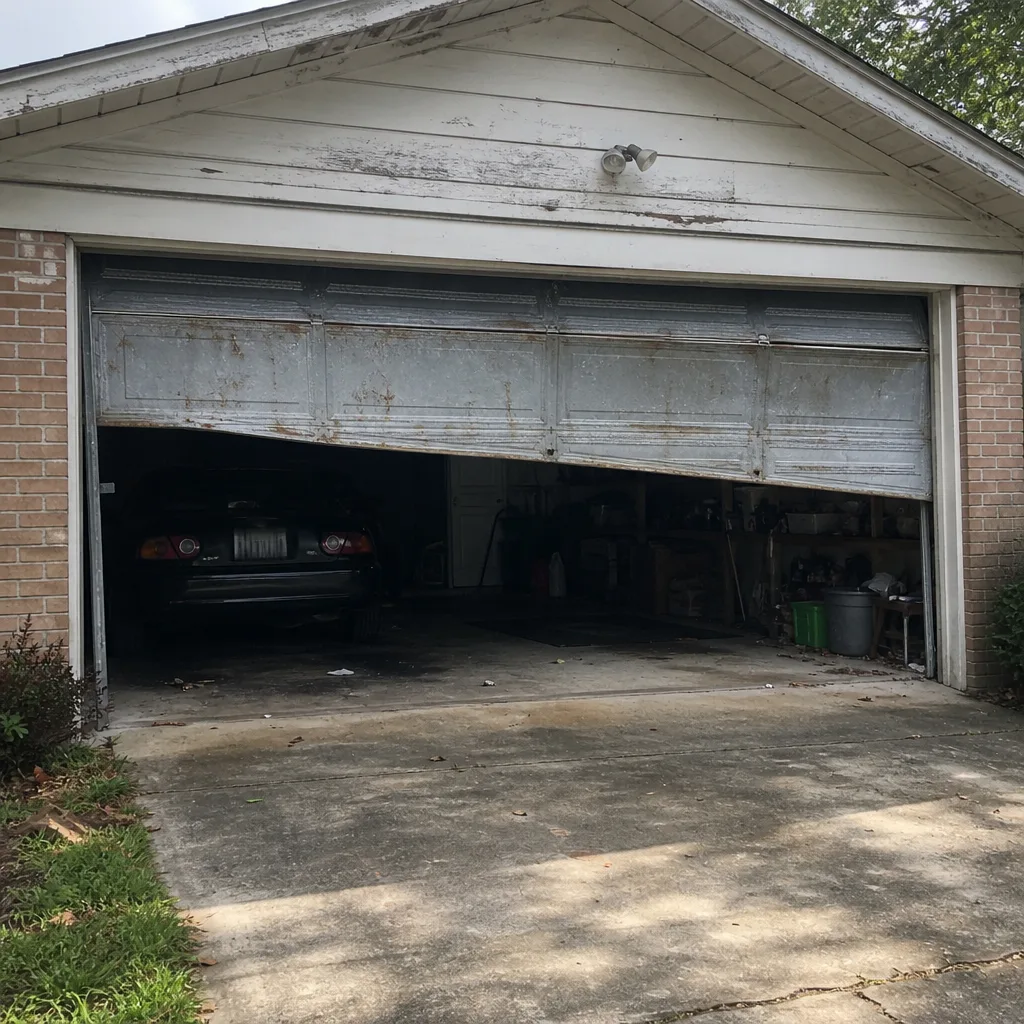
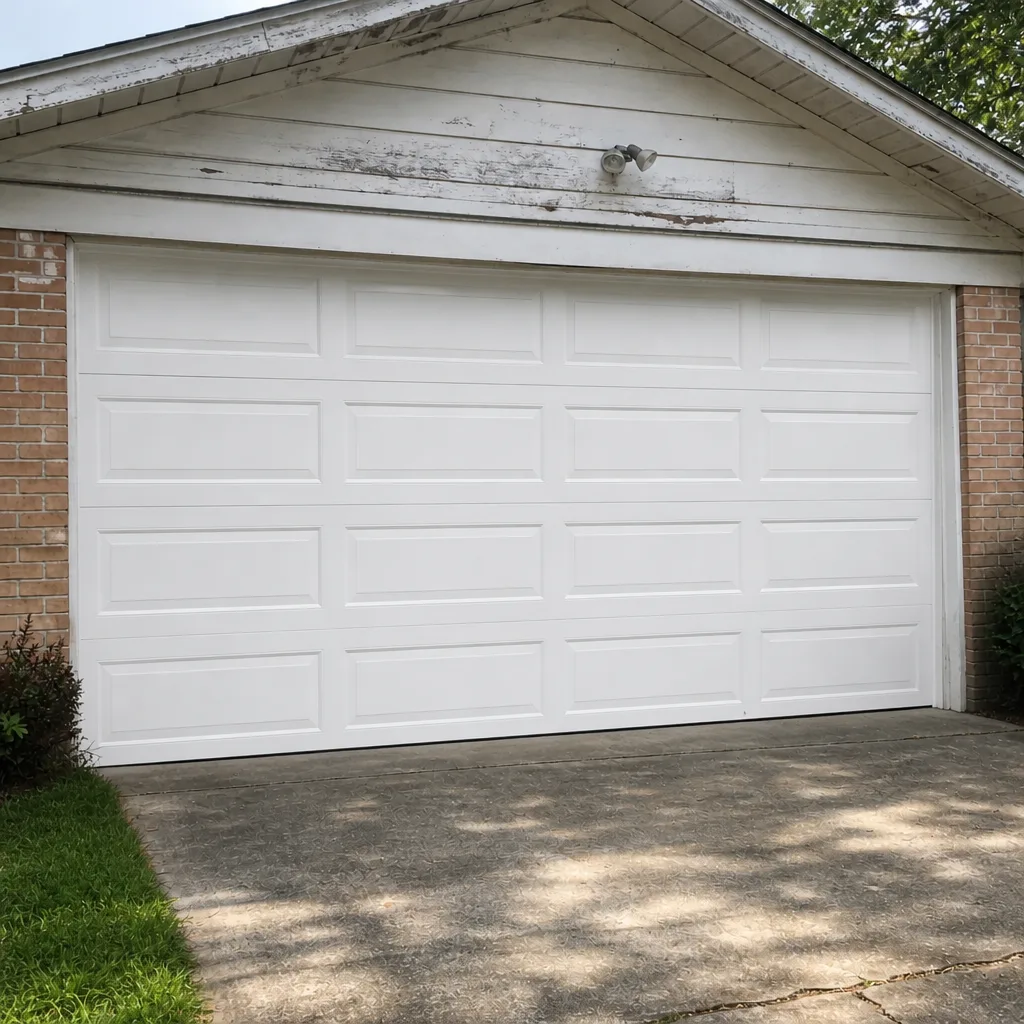
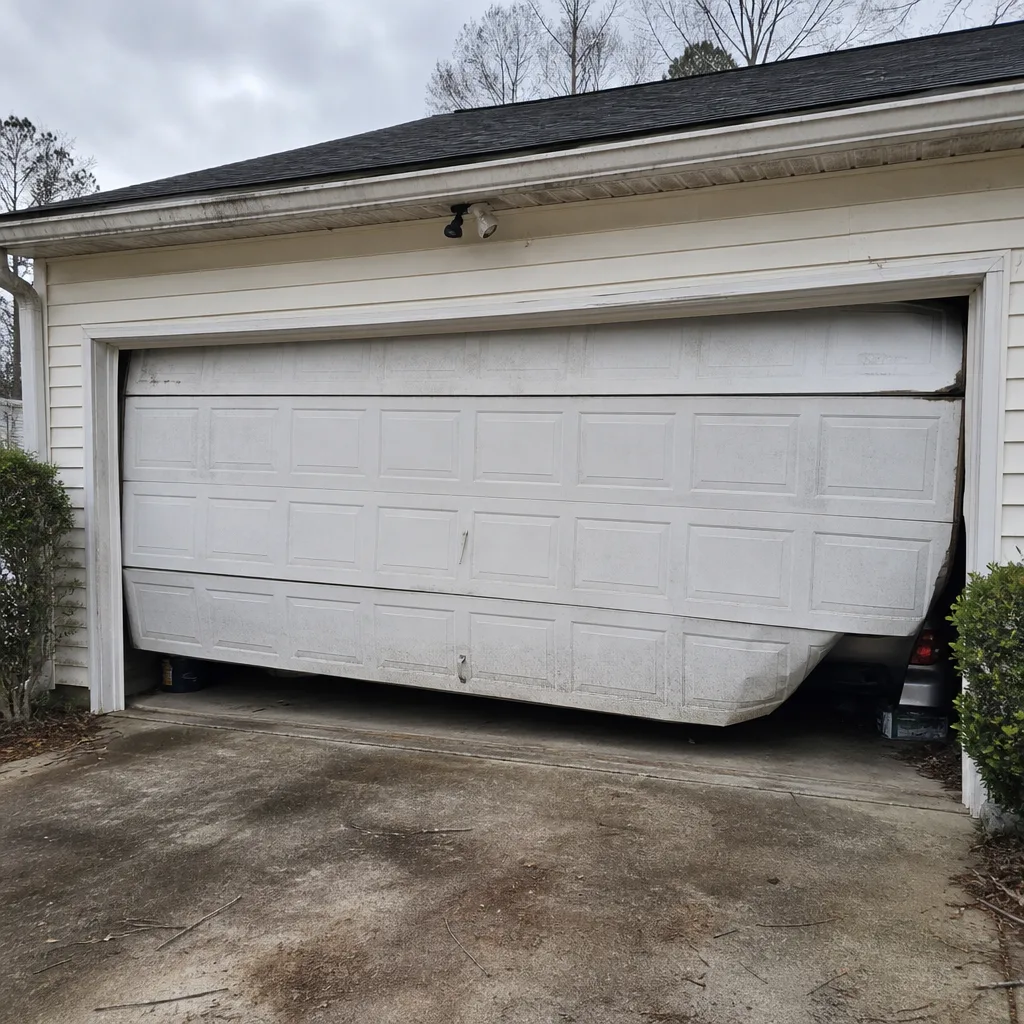
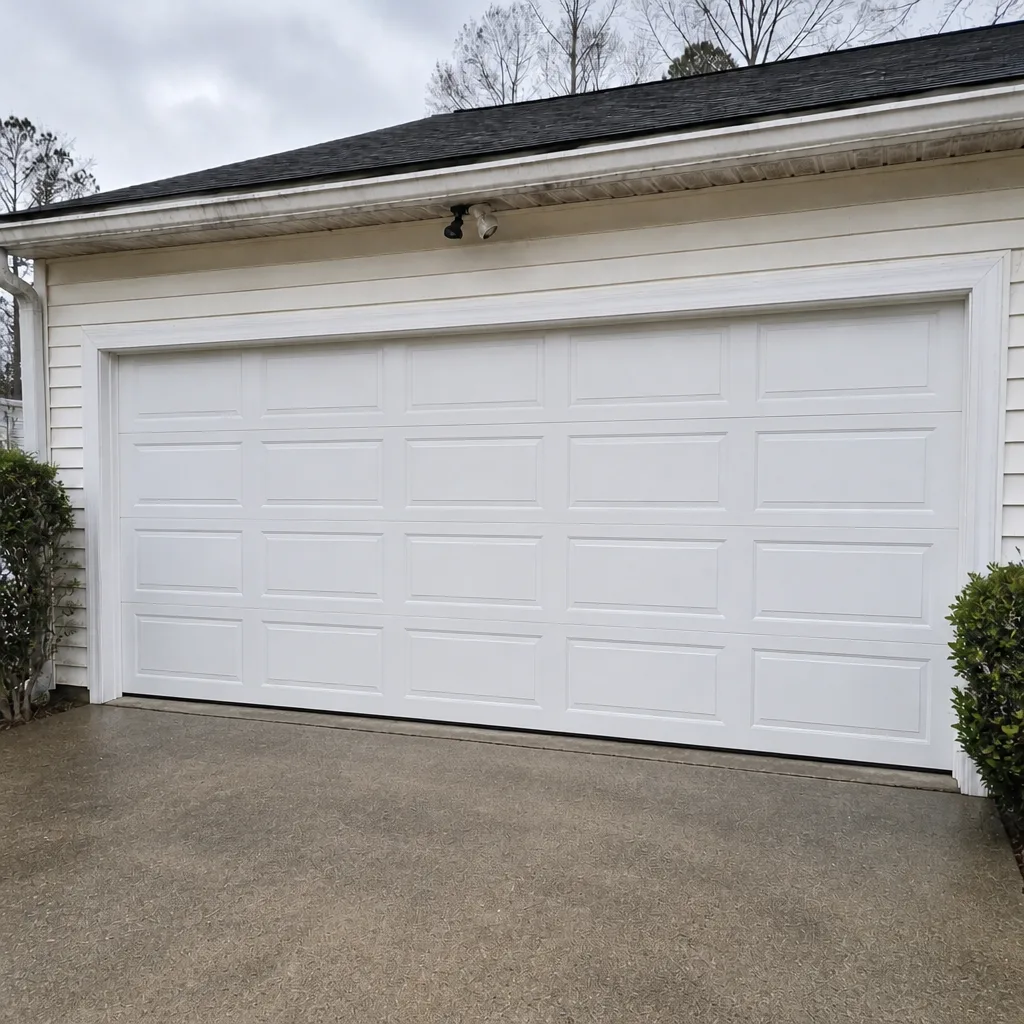
See the difference
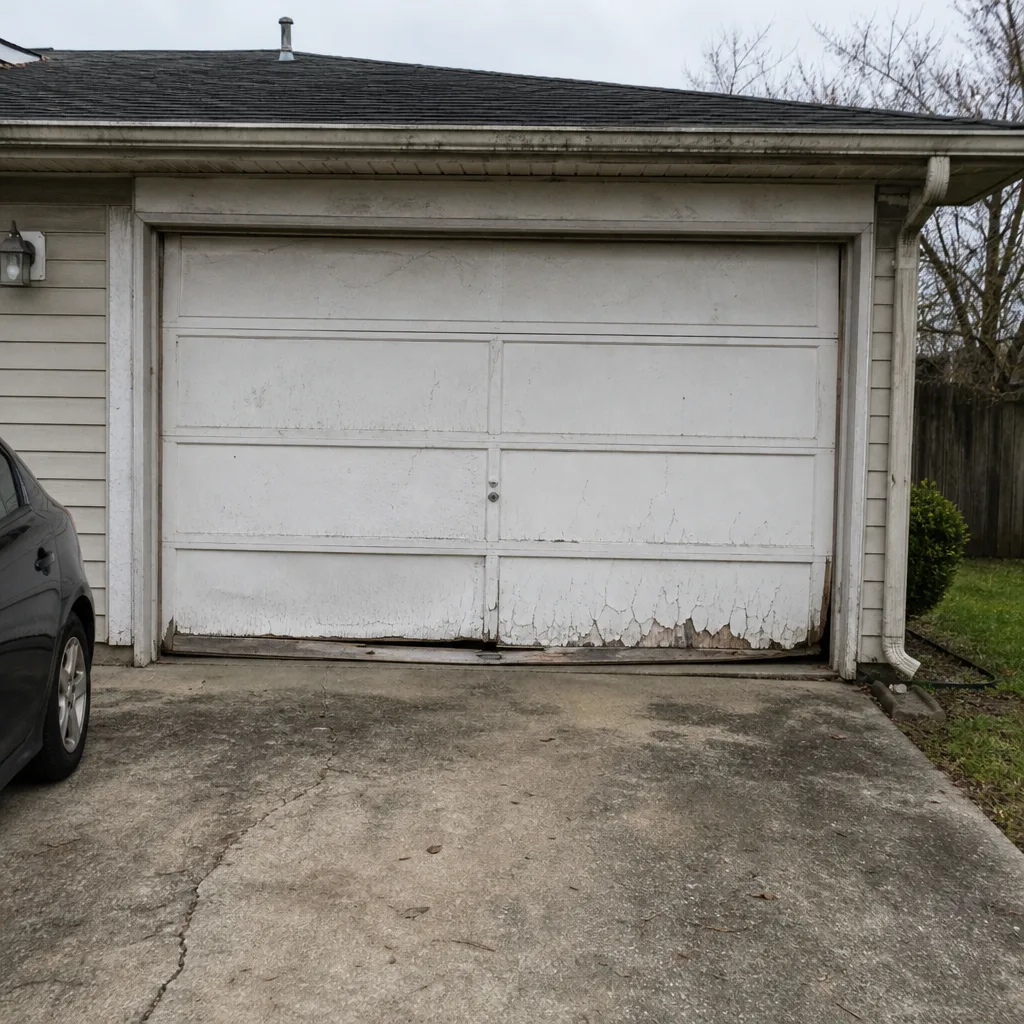 Before
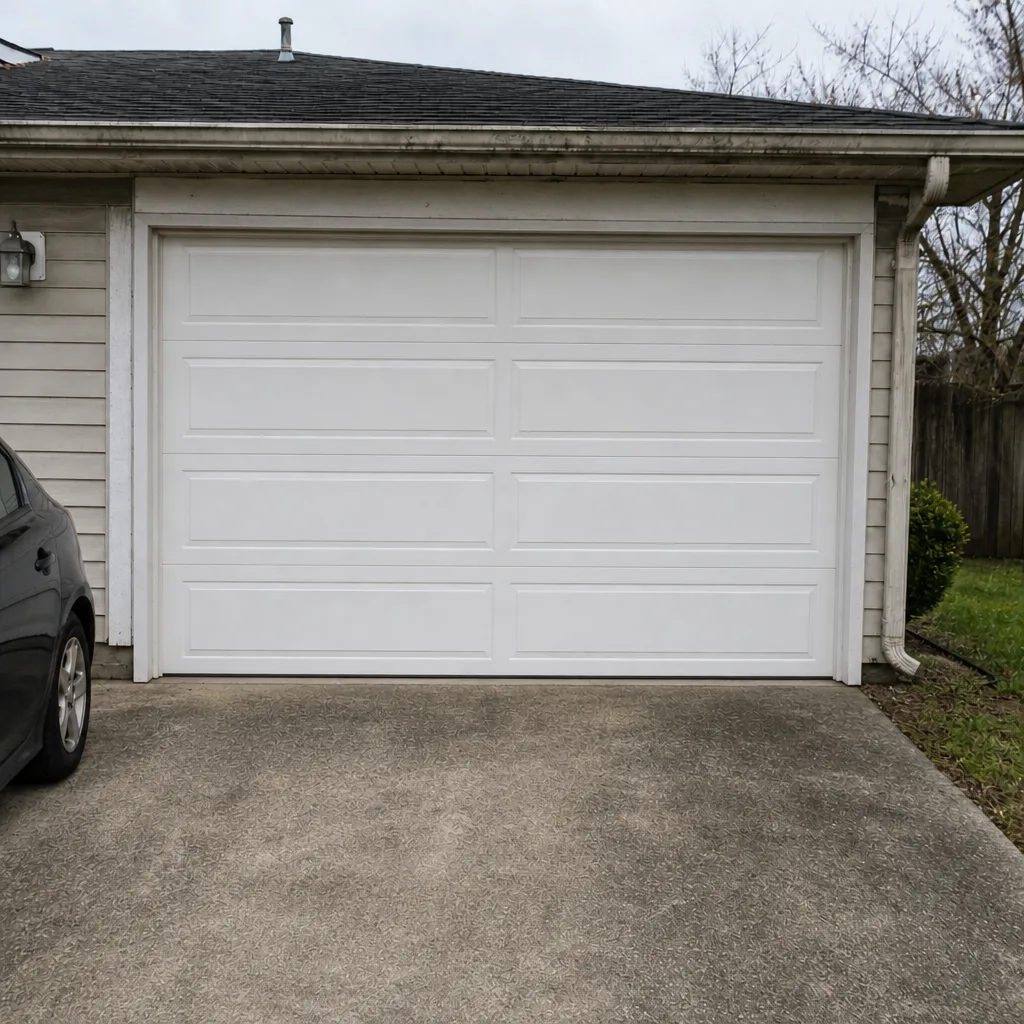 After
 Before
 After
 Before
 After
When to Call a Professional
There are jobs you can handle with a cloth, a soft brush, and a little lubricant. Then there are signs that the door is telling you to stop. Call a professional if you notice any of these: a torsion or extension spring that’s visibly stretched, snapped, or the door feels extremely heavy; a door that stops partway, reverses repeatedly, or stays crooked when closed; an opener that trips its thermal cutoff, strains, or won’t respond after a power outage; a track that’s bent or the door off its rollers; or any hardware that’s come loose or fallen off. Any of these points to a mechanical problem you don’t want to keep cycling the door through.
We work on the eight most common residential door and opener brands – LiftMaster, Chamberlain, Genie, Clopay, Amarr, Wayne Dalton, Craftsman, and Raynor – so the technician who arrives already knows how your system is built and where it tends to fail. Repair or replace, we’ll tell you which one actually makes sense for your door. Rainier Garage Door Repair offers free estimates in North Charleston – call (888) 655-8807.
Frequently Asked Questions
Once a month for a quick check, with a deeper clean at the end of pollen season in early June and again before hurricane season gets going. Because the humidity here never fully drops, there isn’t a true off-season the way there is in drier climates, so monthly checks are the best way to catch wear early. The full routine takes about ten minutes.
Heat makes the springs expand slightly and can put extra resistance on the door, and many openers (including Genie and Chamberlain models) have a thermal cutoff that trips when the motor gets too hot. It usually means the door is running heavier than it should. If it repeats in the afternoon heat, have the door checked before ignoring it. Call (888) 655-8807 for a free estimate.
Test the manual release, check the bracing and hardware on the door, confirm your opener’s battery backup works, and make sure the bottom and side seals are tight. Don’t open the door during active wind or debris. If the power fails with the door down, pull the release cord and lift it by hand. After the storm, inspect for bent tracks or debris before using the opener again.
Yes, mostly through abrasion. Pine pollen is gritty, and when it sits on tracks and rollers it acts like a grinding paste every time the door moves. It also fogs the photo-eye lenses, which can make the door reverse. A wipe-down of the tracks and sensor lenses in spring prevents most of the damage.
Not necessarily every year, but more often than a dry-climate guide would tell you. The wet-cold cycle in winter is hard on rubber, and seals that soften in summer get worked again by damp cold. Check the bottom seal and side strips each winter; if they’re cracked, stiff, or leaving gaps, replace them.
We can discuss current licensing and insurance documentation when you call; credentials are available on request. What we can tell you is that our technicians have up to 13 years of experience and work across all eight of the most common residential brands. For garage door opener repair or a full garage door repair, call (888) 655-8807. Estimates are free.
The Bottom Line
North Charleston doesn’t hand you four neat seasons, so a generic care calendar won’t keep your door healthy through the year. What works here is a monthly ten-minute check, a spring pollen flush, a summer heat watch, a hurricane-season pre-storm walkthrough, and a winter seal inspection. The one rule that overrides everything: leave torsion spring work to a trained professional. Our technicians have up to 13 years of experience working on the eight major residential brands, from LiftMaster and Chamberlain openers to Raynor and Genie doors, and we’ll help you decide whether to repair or replace. Call (888) 655-8807 for a free estimate. We answer 24/7. Fast dispatch from 7am to 7pm, Sunday through Friday.
Written by the team at Rainier Garage Door Repair.