
Last updated November 15, 2026
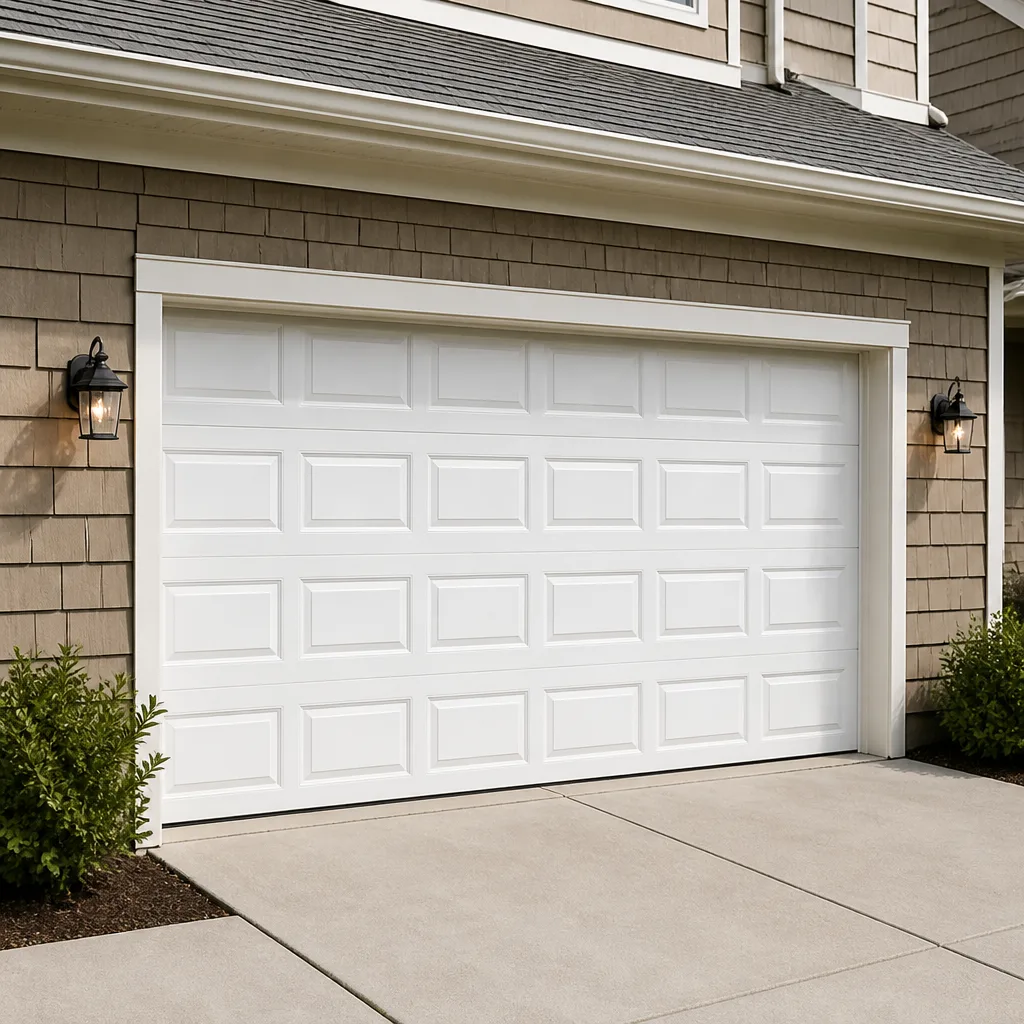 Raised-panel steel
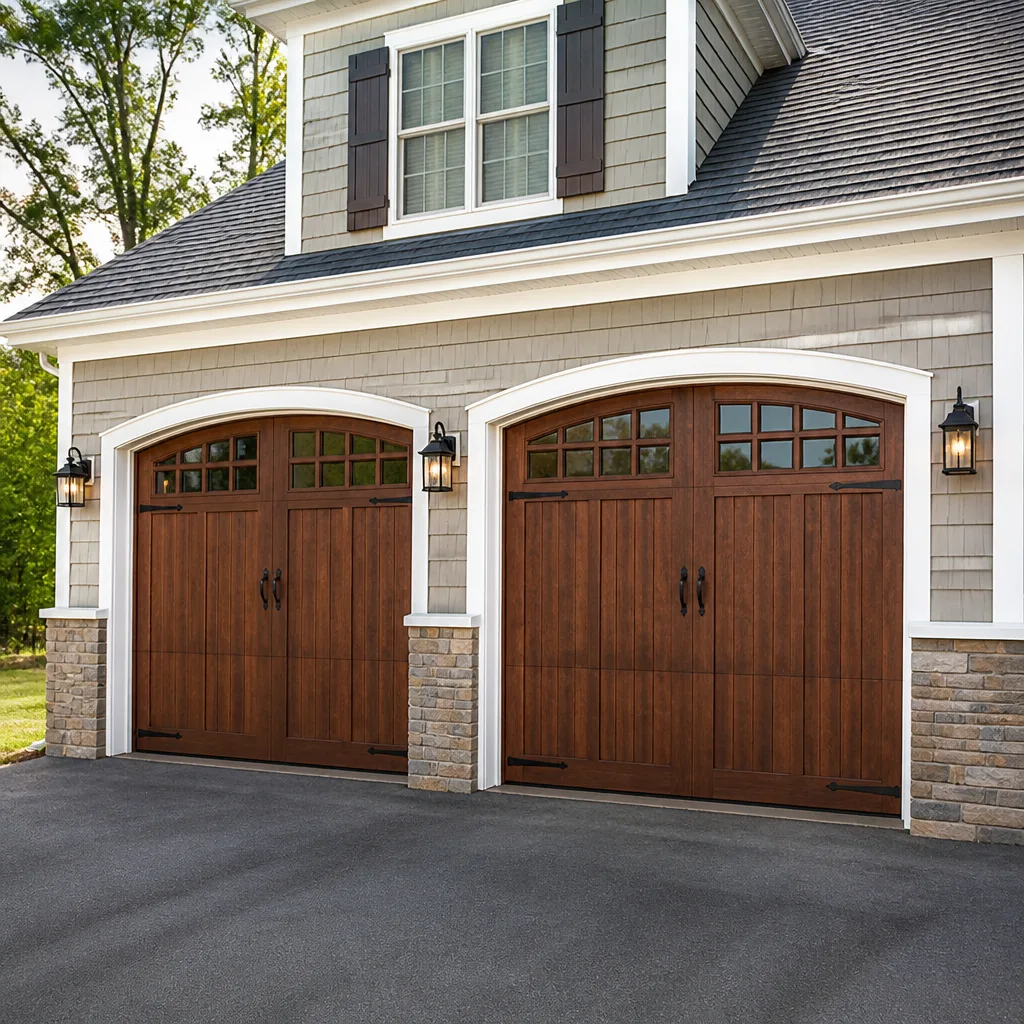 Carriage house
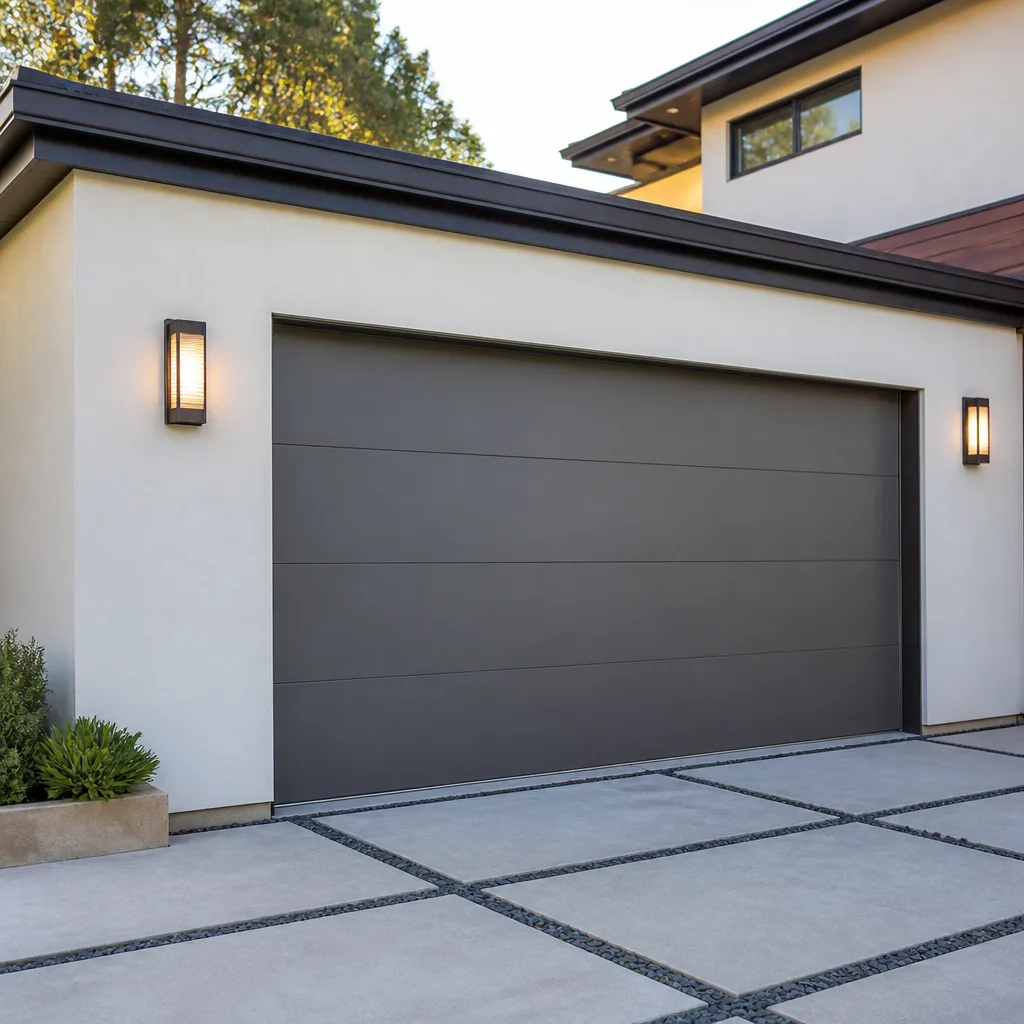 Modern flush
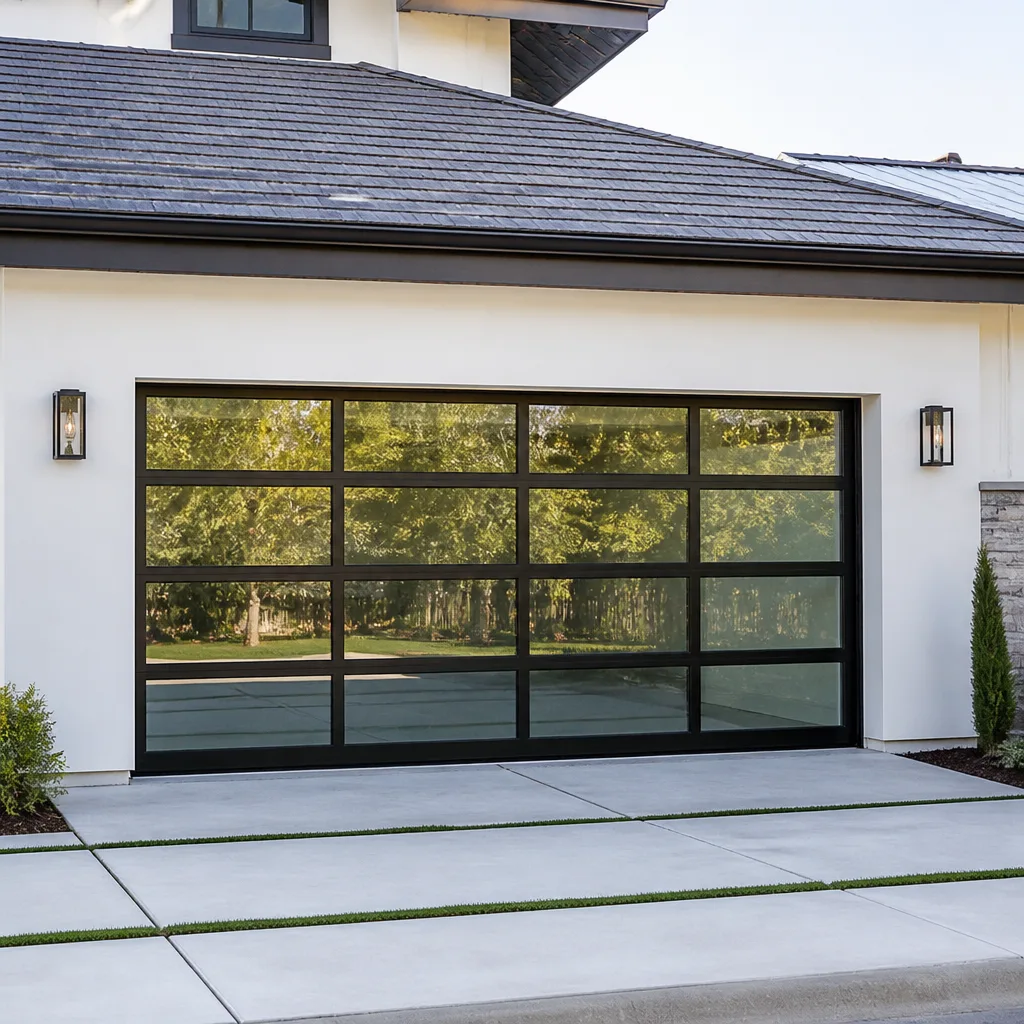 Full-view glass
 LiftMaster openers
 Chamberlain openers
Full 25-point door and opener safety check with every visit - springs, cables, rollers, tracks, and your LiftMaster or Chamberlain opener included
You get a price before we start. It does not change when the pro arrives.
Get your free estimateGarage Door Warning Signs: A North Charleston Homeowner’s Reference Guide
The loudest garage door failures are the ones nobody heard coming. A snapped torsion spring makes a sound you won’t forget, but by then the door has usually been whispering for weeks: a half-second lag on the way up, a hollow pop after it settles, a roller that chirps only on humid mornings. Most North Charleston homeowners write those off as “just the door.” This guide is built to change that habit. We’ll walk through the balance test you can run in under two minutes, how to read three distinct sounds, the warning signs tied to Lowcountry heat and humidity, what your opener is quietly telling you, and why waiting “one more season” usually costs more than fixing the problem now.
Quick Answer
The main garage door warning signs in North Charleston are a door that opens or closes slower than it used to, grinding, popping, or squealing noises, a door that reverses on its own, visible rust or white mineral deposits on hardware, and a door that fails the balance test (it won’t stay put halfway up). Any one of these means the door needs a professional look before a spring or cable fails completely. Catching a worn spring early is a repair; catching it after it snaps and takes a cable with it is a bigger repair.
Styles & brands we work with
- Raised-panel steel
- Carriage house
- Modern flush
- Full-view glass
- LiftMaster openers
- Chamberlain openers
Table of Contents
- The Two-Minute Balance Test: What It Tells You About Your Springs
- Sound Diagnostics: Grinding, Popping, and Squealing Explained
- Warning Signs That Show Up in North Charleston’s Heat and Humidity
- Opener Behavior Flags: What Your LiftMaster or Chamberlain Is Telling You
- The “It’ll Hold Another Season” Cost Trap
- A Simple Visual Walk-Around You Can Do This Weekend
- When to Call a Professional Early Rather Than Late
The Two-Minute Balance Test: What It Tells You About Your Springs
The balance test is the single most useful thing a homeowner can do, and it’s safe because you never touch a spring, cable, or bracket. It tells you whether the springs are still carrying their share of the door’s weight or whether the opener motor has quietly taken over that job.
Springs do the heavy lifting on a garage door. A properly balanced door weighs almost nothing in your hand; the springs counteract most of the door’s weight. When a torsion spring loses tension, that weight shifts to the opener, and the opener starts working harder than it was designed to. That’s the “one second slower” feeling. It’s not the opener’s fault, and it isn’t a quirk. It’s a spring on its way out.
Here’s how to run the test:
- Close the door completely and pull the red emergency release handle so the door is disconnected from the opener. The door should now move by hand.
- Lift the door to about waist height (roughly halfway open) and let go.
- Watch what it does. A balanced door should stay right where you let go, maybe drifting a few inches. A door that sinks to the floor has weak springs. A door that flies up has springs that are too strong, which is its own problem.
- Reconnect the opener by pushing the trolley back until it clicks into the carriage, then cycle the door once to confirm it’s re-engaged.
If the door drops, the springs have lost tension and need professional attention. Don’t try to adjust them. Torsion springs are under extreme tension, and the winding process is one of the most dangerous jobs on a garage. If the door drifts down noticeably, that’s your cue to call. In our experience across North Charleston, most of the door failures we’re called to could have been caught at this stage with a two-minute test.
Sound Diagnostics: Grinding, Popping, and Squealing Explained
Your door has a vocabulary. Most of it is quiet normal operation. The three sounds worth paying attention to come from three different places, and confusing them means you replace the wrong part.
Grinding
Grinding almost always comes from the track or the rollers. A roller that’s worn flat, no longer round, drags instead of rolls, and the sound is metallic and continuous while the door travels. Track misalignment produces the same noise because the roller is being forced against the rail. Grinding that gets worse over a couple weeks is a worn roller or a track that’s been knocked slightly out of line. That’s a straightforward repair, and continuing to run the door while it grinds accelerates roller wear and can damage the track itself.
Popping
A pop or a bang, usually right when the door opens or right as it settles closed, points to the torsion spring. Popping happens when a fatigued spring shifts against its winding cone or slips a coil. That single pop is often the warning shot before a break. If a pop starts showing up every cycle, stop using the door and get it checked. Torsion spring fatigue is progressive, and North Charleston’s summer heat, with garage interiors regularly hitting triple digits, shortens the working life of every spring in the house.
Squealing
Squealing is a friction sound and usually comes from the hinges and rollers, not the spring. Dry hinges and metal rollers with worn bearings produce a high-pitched squeal that shows up more in humid weather. Sometimes it’s a bent track that’s squeezing a roller. The good news: a squeal is usually the cheapest of the three to correct because it’s a lubrication or hardware issue rather than a spring replacement. The bad news: homeowners often wait months, and the underlying dry hinge damages the roller over time.
If you can’t tell which of the three you’re hearing, we can. Our technicians have up to 13 years of experience diagnosing garage doors by sound, and they know garage door repair on Genie, Clopay, and Amarr systems throughout the Lowcountry.
Warning Signs That Show Up in North Charleston’s Heat and Humidity
Garage doors in North Charleston live through something most national garage door guides never mention: months of heat and heavy humidity followed by a handful of cold snaps. That cycle stresses a door in ways you can see if you know where to look.
Rust bleed on the face of the door. That faint orange stain running down from a hinge or panel seam is rust migrating from the hardware onto the door finish. On steel doors with a painted or powder-coated finish, rust along the bottom panel edge or panel seams is the first sign that water is getting trapped behind a hinge. Once rust shows on the face, the metal is already corroding from the inside. Left alone, a rust bleed turns into a hole at the bottom panel, which is usually beyond a spot touch-up.
White mineral deposits on hardware. That chalky white crust on springs, hinges, and brackets is a common sign of repeated wet-dry cycles pulling minerals out of the metal. It tells you the hardware is working harder than the door was designed for, and it usually shows up alongside squealing and popping.
Door sections that bow slightly in summer heat. A steel or composite garage door panel expands in high heat. If a section bows, it’s a sign of a door that’s under extra stress, sometimes from a failing spring that’s letting one side carry more weight than the other. A bow you can see by eye in July and that’s gone in October usually means the panel is fighting an out-of-balance door.
None of these are panic signals on their own. But if two or three show up together, the door isn’t just cosmetic. It’s drying out, rusting, and losing weight capacity at the same time. That’s the combination that turns a small repair into a spring and cable job before the next hot spell.
Opener Behavior Flags: What Your LiftMaster or Chamberlain Is Telling You
The opener is usually the first thing to fail in a garage door system, and it’s also the most misunderstood. Nine times out of ten, when a homeowner tells us “the opener is broken,” the opener is fine and the door behind it is out of balance. That said, certain opener behaviors are worth taking seriously on their own.
Reversing for no apparent reason
A LiftMaster or Chamberlain opener that goes up, hesitates, and goes back down on its own is usually reacting to resistance. The opener senses the door is hitting something and reverses as a safety response. The “something” is often the door itself, working harder than the opener expects. A door that reverses every cycle is a door that needs the balance test. If opener behavior flags look like a safety sensor tripped by an obstruction (a dangling bike cable, a kid’s toy, a leaf caught on the photo-eye), that’s a different issue and an easy fix.
Running slow
An opener that moves the door slower than it used to is working against a spring that’s lost tension. The motor itself doesn’t get tired. Its current draw climbs because the load has climbed. A slow-running opener is often the earliest physical sign of a spring problem, and it’s the one homeowners dismiss as “just a slow door.”
Won’t hold a programmed travel limit
When an opener won’t hold its limit settings, it drives the door past the point where it should stop, or stops short. That’s usually a sign of a worn gear or a logic board issue, both of which are common on aging units. It can also happen when the opener is fighting a door that’s out of balance and keeps tripping its resistance threshold. If your Genie or Wayne Dalton opener does this, our garage door opener repair technicians can tell you whether the opener needs work or the door does.
Because we work on LiftMaster, Chamberlain, Genie, Clopay, Amarr, Wayne Dalton, Craftsman, and Raynor systems, one call covers it. We don’t need to send you to a different company because your brand isn’t “one we stock.”
The “It’ll Hold Another Season” Cost Trap
Waiting to fix a worn spring doesn’t delay the cost. It grows it. We see it regularly: a spring that was popping last summer finally snaps this summer, and it takes a cable with it. Now the repair isn’t just the spring. It’s the spring, the snapped cable, the drum the cable damaged on the way out, sometimes bent door sections that have to be straightened or replaced. The homeowner didn’t save anything; they paid the spring cost plus everything the failure pulled down with it.
There’s a second layer to this trap. A spring that’s lost tension is quietly working on the opener too. Every cycle, the motor draws a little more current than it should. Over months of deferred repair, the opener can wear out its own gear and logic board. Then the homeowner is looking at a spring replacement plus a full opener replacement when a spring repair alone would have been the fix six months earlier.
Here’s the pattern to understand:
- Spring fatigue, caught early: one spring repair. Residential repairs are priced per job from a written estimate before work starts.
- Spring failure while the door is still in use: spring plus cable, possibly drums or bent sections.
- Spring failure plus an opener that’s been overworked for months: spring, cable, and a new opener.
Springs are typically replaced as a matched pair when one spring is weak, because a matched pair keeps the torsion bar balanced. Replacing one spring of a pair is a shortcut that comes back within a year, and it’s one of the reasons a matched pair costs more than a single spring estimate. A written estimate should call out exactly what’s being replaced and why. If it doesn’t, ask before we start. Rainier Garage Door Repair works from written estimates and quotes the price before any tool comes out of the van.
A Simple Visual Walk-Around You Can Do This Weekend
Five minutes with a flashlight catches more than a month of waiting. This is a visual check only. Never touch a spring, cable, or bracket. If something is loose, dangling, or visibly broken, stop and call.
- Look at the door panels from the driveway. Are the horizontal lines straight? A gap that shows up on one side but not the other, or a bow, is a balance problem.
- Look at the bottom of the door. Is the weather seal split or brittle? Is the bottom panel rusted through or losing paint? Rust at the bottom edge is the classic humidity warning.
- Look at the tracks. Are they dinged, bent, or out of line at the mounting brackets? Run your eyes along both rail sides, not your hands.
- Look at the hinges and rollers. White crust, rust bleeding onto the door face, or a roller that’s worn flat rather than round. Any of these tells you the hardware is tired.
- Look at the torsion bar and springs (don’t touch). A visible gap in a spring coil or a spring sitting crooked on the bar is a stop-using-the-door sign.
- Look at the safety photo-eyes near the floor. Are they mounted facing each other? Is anything blocking them? A leaf or a dropped cord will trip them and make the door reverse.
- Run the balance test from earlier. That’s the one that tells you what your eyes can’t see.
North Charleston homes with a lot of shade and humidity show rust and mineral deposits earlier than a sunny, dry garage would. Don’t assume it’s cosmetic. Rust on hardware is a real cost signal.
When to Call a Professional Early Rather Than Late
There’s a real line between “keep an eye on it” and “stop using the door.” Here’s where the line sits:
Stop using the door and call. A visible break or gap in the torsion spring. A cable that’s come off its drum or shows more than one wire broken. Any snapping or popping that’s now happening every cycle. The door hanging crooked. A door that drops to the floor on its own during the balance test. Anything that involves the spring bar or the cables. Springs and cables are under extreme tension. This is not a DIY job, and we strongly recommend keeping your hands off that part of the door. A trained technician with the right winding bars is the only safe way to touch that hardware.
Book a service visit within a week or two. A slow-running opener. A grinding or squealing that’s new in the last month. Two or more rust bleeds on the door face. A door section bowing in heat. A remote that’s flaky in one spot of the driveway. Nothing is about to fall, but each of these is a smaller repair that gets bigger as the door keeps cycling.
If you’re not sure which side of the line you’re on, describe the symptom over the phone. We’ll tell you honestly whether it’s a call-now or call-soon, and we’ll tell you plainly whether repair or replacement actually makes sense for the door you have. Free estimates throughout North Charleston, and the estimate is the price.
Common Mistakes to Avoid
- Running the door to “see if the sound goes away.” It won’t. Grinding and popping get worse with every cycle, and every cycle on a failing spring speeds up the next repair.
- Assuming a slow opener means a dying opener. Most slow-running openers are working against a spring that’s lost tension. Replacing the opener without fixing the spring is how you buy a new opener and then pay for a spring repair on top of it.
- Trying to fix a torsion spring yourself. This is the single most dangerous repair on a garage door. The spring is under hundreds of pounds of tension, and even experienced tradespeople treat it with respect. Use a professional.
- Lubricating a spring to quiet a pop. Pop from a torsion spring is a metal fatigue signal, not a lubrication issue. Lubrication is for hinges and rollers. It won’t do anything to a tired spring, and it hides the real problem.
- Washing the door and calling the rust “cosmetic.” Rust that starts at a hinge or panel seam is coming from inside the metal. Washing the face hides the streak for a few weeks; it doesn’t stop the corrosion.
- Ignoring the balance test because the opener “still works.” The opener working harder is the problem, not the comfort. A door that drops on the balance test is a door that’s about to hand its whole weight to the opener.
- Replacing a single spring on a matched pair. The worn spring will follow within a year, and you’ll pay the labor twice. A written estimate should explain why both springs are being replaced together.
- Assuming a brand name guarantees an easy fix. A Clopay door and a Genie opener from different decades have separate service histories, and it helps to know both. That’s what garage door opener repair diagnostics are for.
See the difference
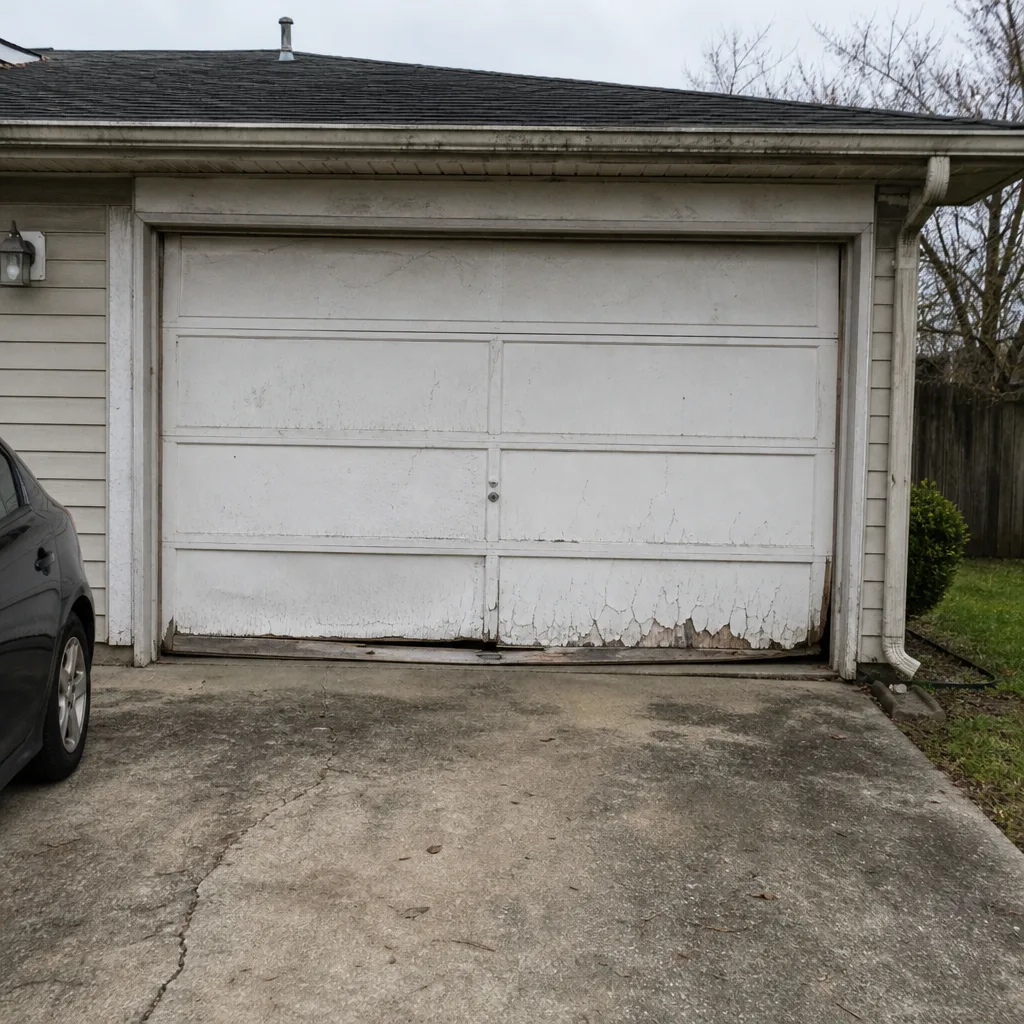 Before
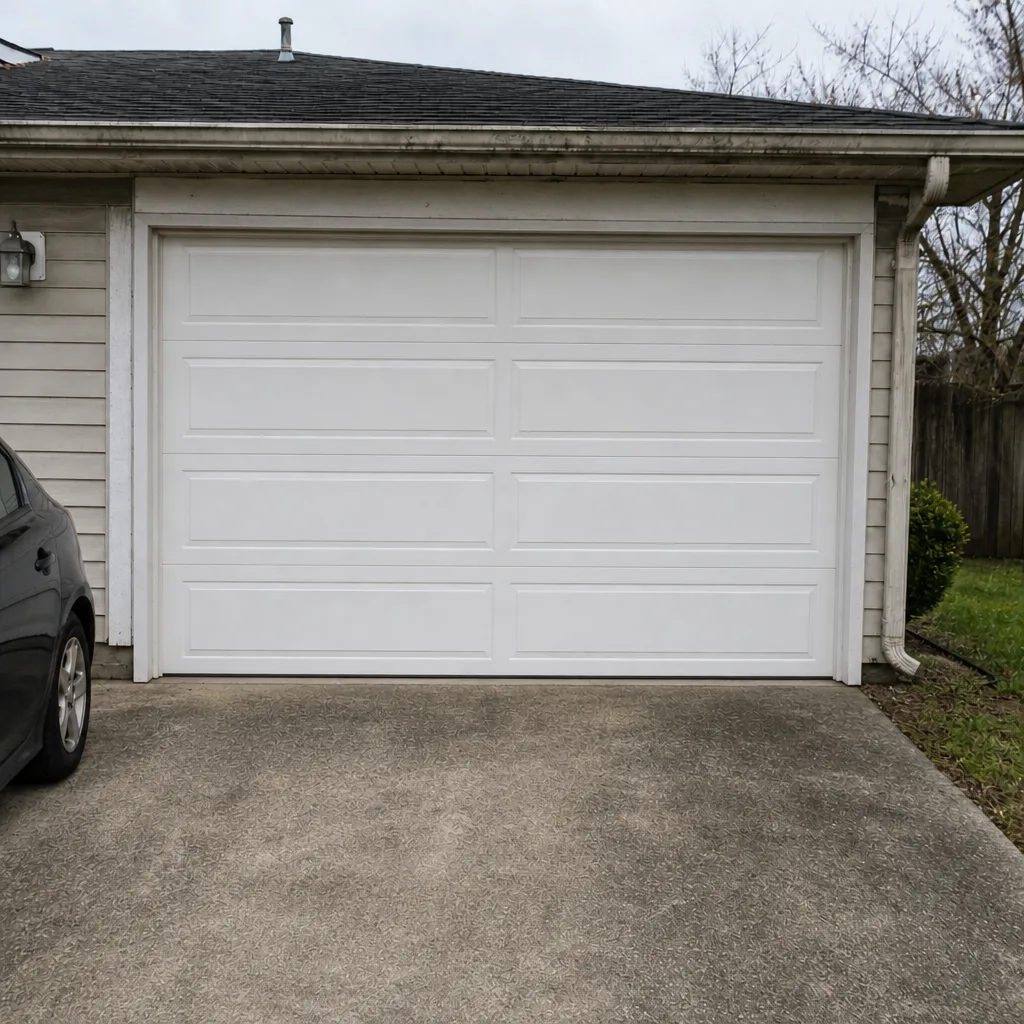 After
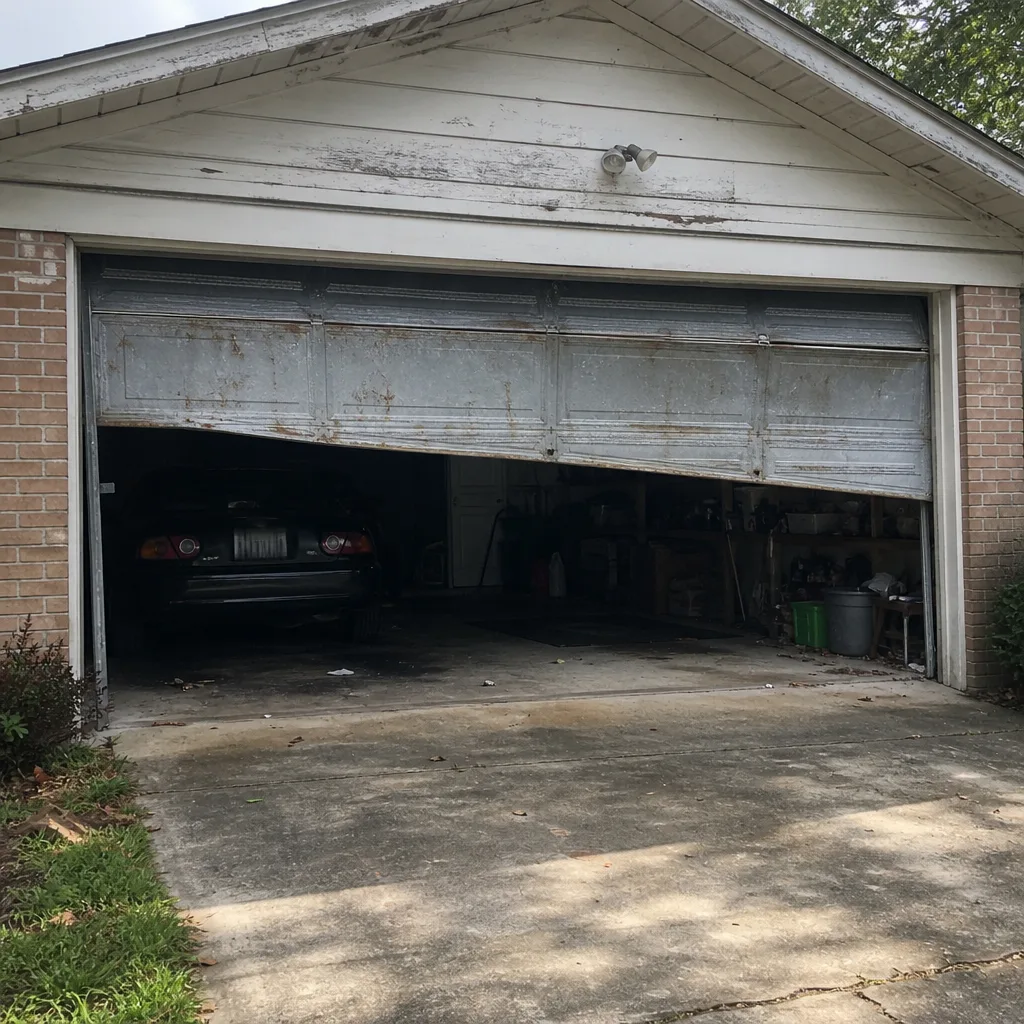 Before
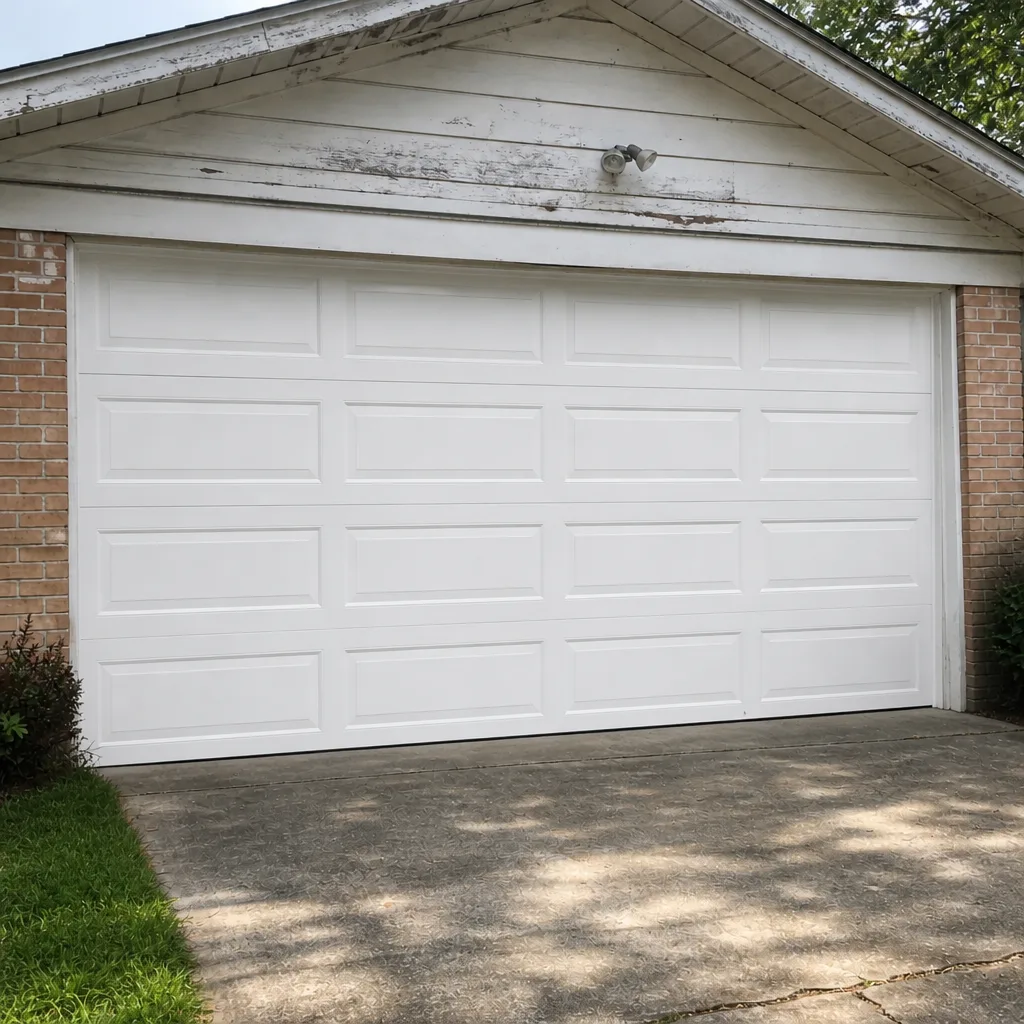 After
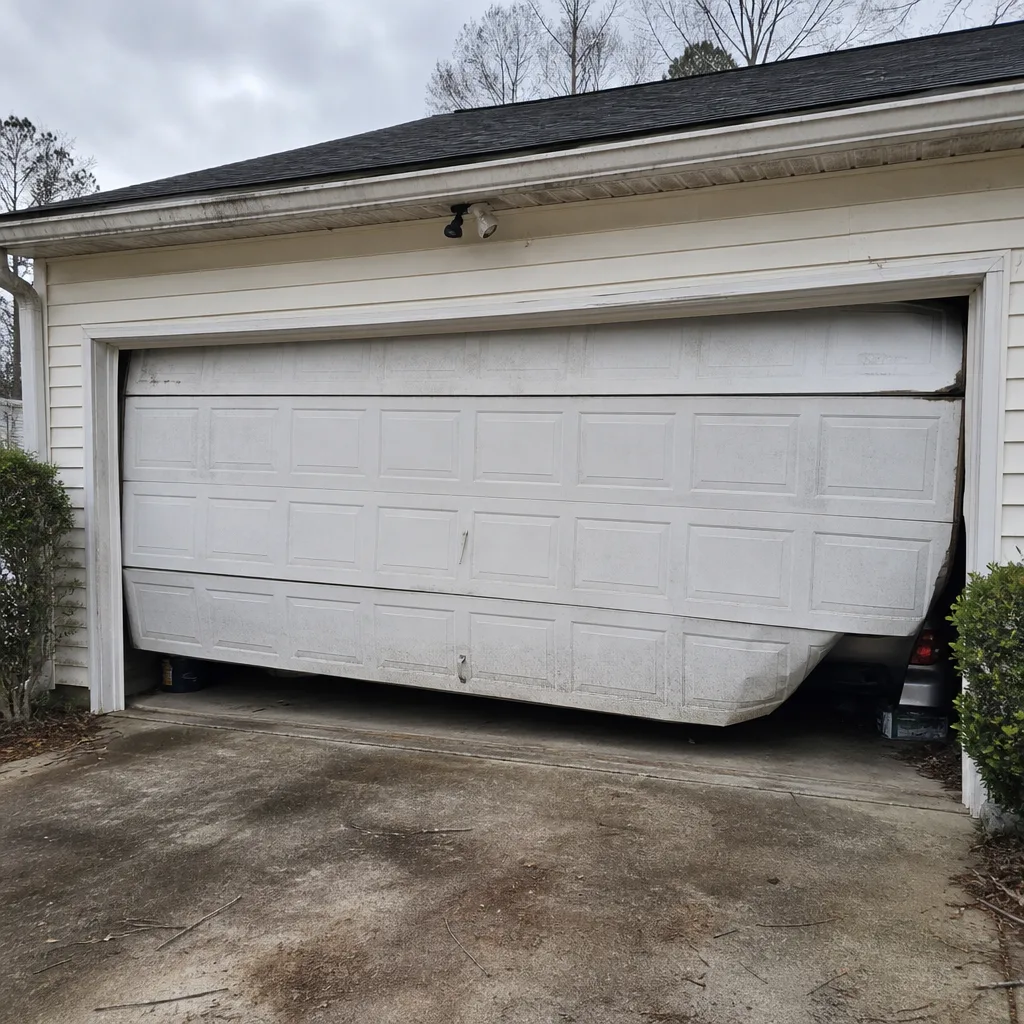 Before
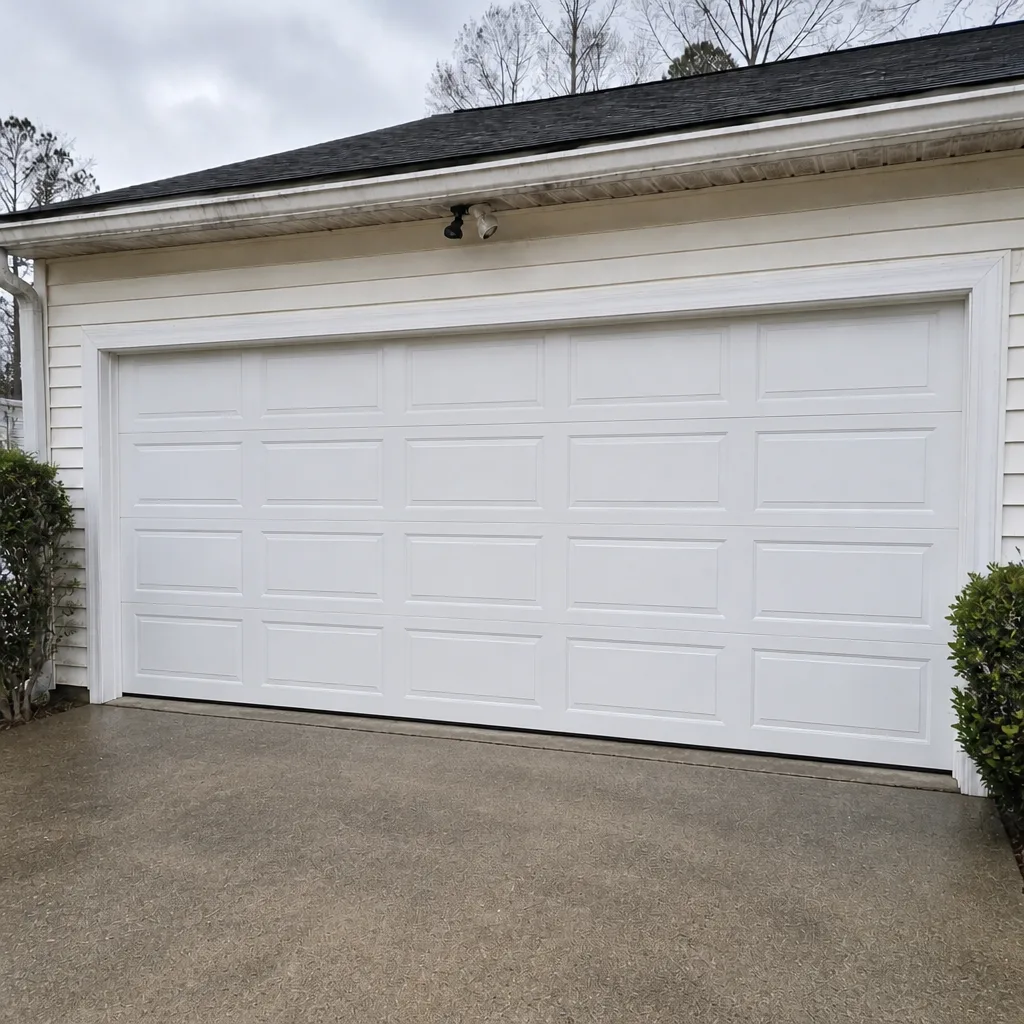 After
When to Call a Professional
Call a professional if any of these are true: the door dropped on the balance test, a torsion spring shows a visible gap or break, a cable is off its drum, the door pops every cycle, the door hangs crooked, the opener reverses on its own consistently, or a tracker you’ve done yourself for two weeks isn’t getting better. Springs and cables are under extreme tension and shouldn’t be touched by a homeowner. Our technicians have up to 13 years of experience diagnosing doors from LiftMaster, Chamberlain, Genie, Clopay, Amarr, Wayne Dalton, Craftsman, and Raynor systems, and one call covers repair, opener service, and full installation if the door is simply past the repair-replace line. Rainier Garage Door Repair offers free estimates in North Charleston. Call (888) 655-8807.
Frequently Asked Questions
The most common early warning signs in North Charleston are a door that opens slower than it used to, popping or grinding sounds during travel, a door that reverses on its own, and visible rust or white mineral deposits on hinges and springs. Running the two-minute balance test confirms which system is actually failing. Call (888) 655-8807 for a free estimate if any of these are showing up.
Once a year is a reasonable baseline for most homes, and sooner if you drive in and out several times a day or if the door is more than ten years old. A service visit checks spring tension, opener load, roller condition, and track alignment. In North Charleston’s heat and humidity, a spring that’s near the end of its life usually shows signs at a routine check well before it fails. We answer 24/7 at (888) 655-8807. Fast dispatch from 7am to 7pm, Sunday through Friday.
Yes, usually. A door opening slightly slower than it did a month ago is the earliest physical sign that a spring has lost tension and the opener is working harder to compensate. It’s not a quirk. It’s the opener telling you the load has gone up. Book a free estimate before it turns into a snapped spring, and we’ll tell you honestly what needs to happen.
No, and we strongly advise against it. Torsion springs are under extreme tension, and the winding process requires specific tools and training. A released spring can cause serious injury. Call a professional. Our technicians have up to 13 years of experience on this exact job, and it’s a routine repair for us. (888) 655-8807 gets you a free estimate.
Usually not. A LiftMaster or Chamberlain that reverses on its own is reacting to resistance in the door or a tripped safety sensor. Run the balance test first: if the door drops when released halfway up, the spring is the problem, not the opener. If the door is balanced, check the photo-eyes for obstruction. Call (888) 655-8807 for an exact answer. Estimates are free.
Rainier Garage Door Repair works on LiftMaster, Chamberlain, Genie, Clopay, Amarr, Wayne Dalton, Craftsman, and Raynor systems, which covers the vast majority of doors and openers in the area. We handle repair, opener service, and full installation from a single company. One call covers it. Free estimates throughout North Charleston. Call (888) 655-8807.
Pricing is per job by written estimate, quoted and agreed before any work starts. That means the written estimate is the price. We don’t lowball the diagnosis and raise it once the door is open. Call (888) 655-8807 for a free estimate on your specific door and opener.
A single pop repeated on most cycles is a fatigue signal from the torsion spring, not a one-off. Stop using the door and book a service visit. We answer 24/7. A call outside dispatch hours is booked into the next opening, Sunday through Friday, 7am to 7pm.
The Bottom Line
Your garage door talks to you long before it breaks. A door that opens a beat slower than last month, a pop that wasn’t there in spring, a white crust on a hinge, and a door that drops on the balance test are all early warnings. Catching them early is the difference between a spring repair and a spring-plus-cable-plus-drum job, and it’s the difference between a healthy opener and a full system replacement. Rust and heat in North Charleston speed those signals up, so a five-minute check once a month earns its keep. Repair or replace, we’ll tell you which one actually makes sense. Built to hold.
If you’ve spotted any of these warning signs and want a straight answer, call Rainier Garage Door Repair at (888) 655-8807 for a free estimate. Our technicians have up to 13 years of experience, we work on the eight most common residential brands, and we quote the price before any work starts.
Written by the team at Rainier Garage Door Repair.