
Last updated November 15, 2026
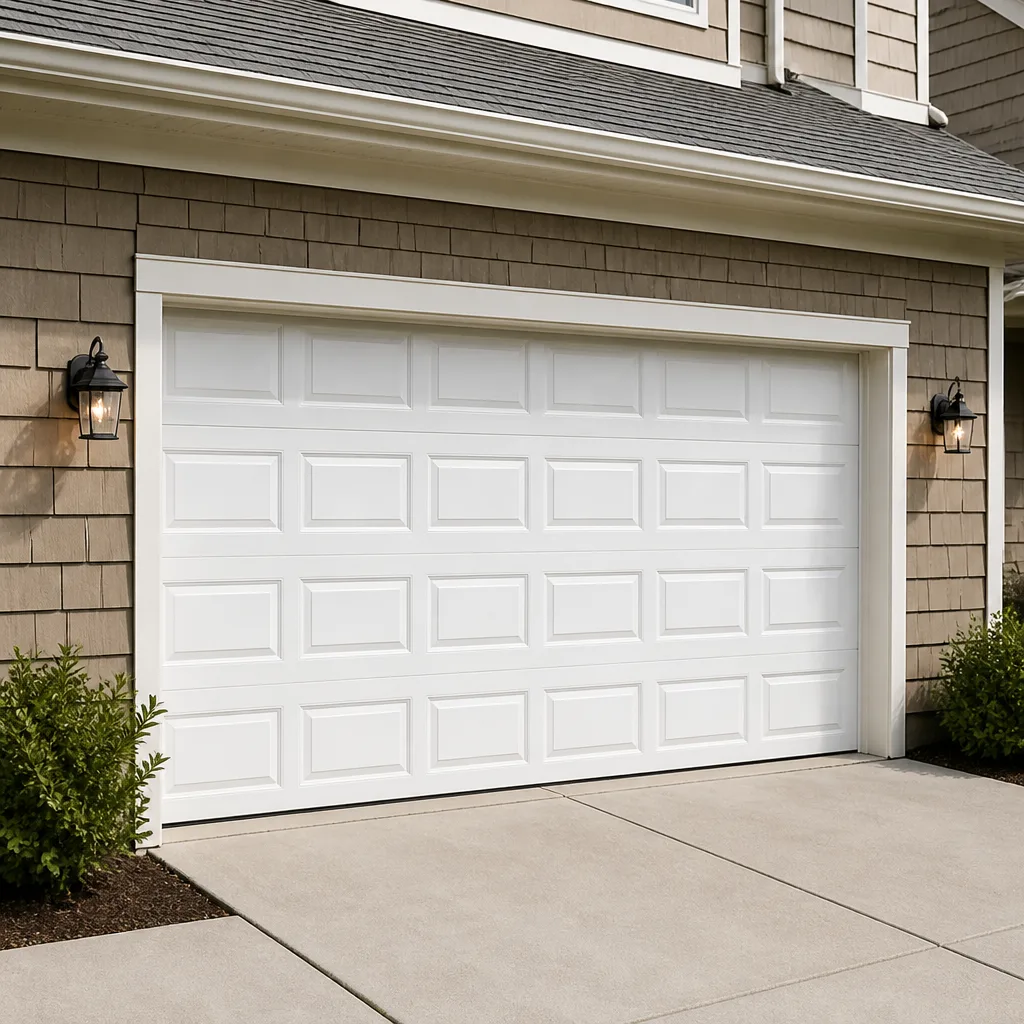 Raised-panel steel
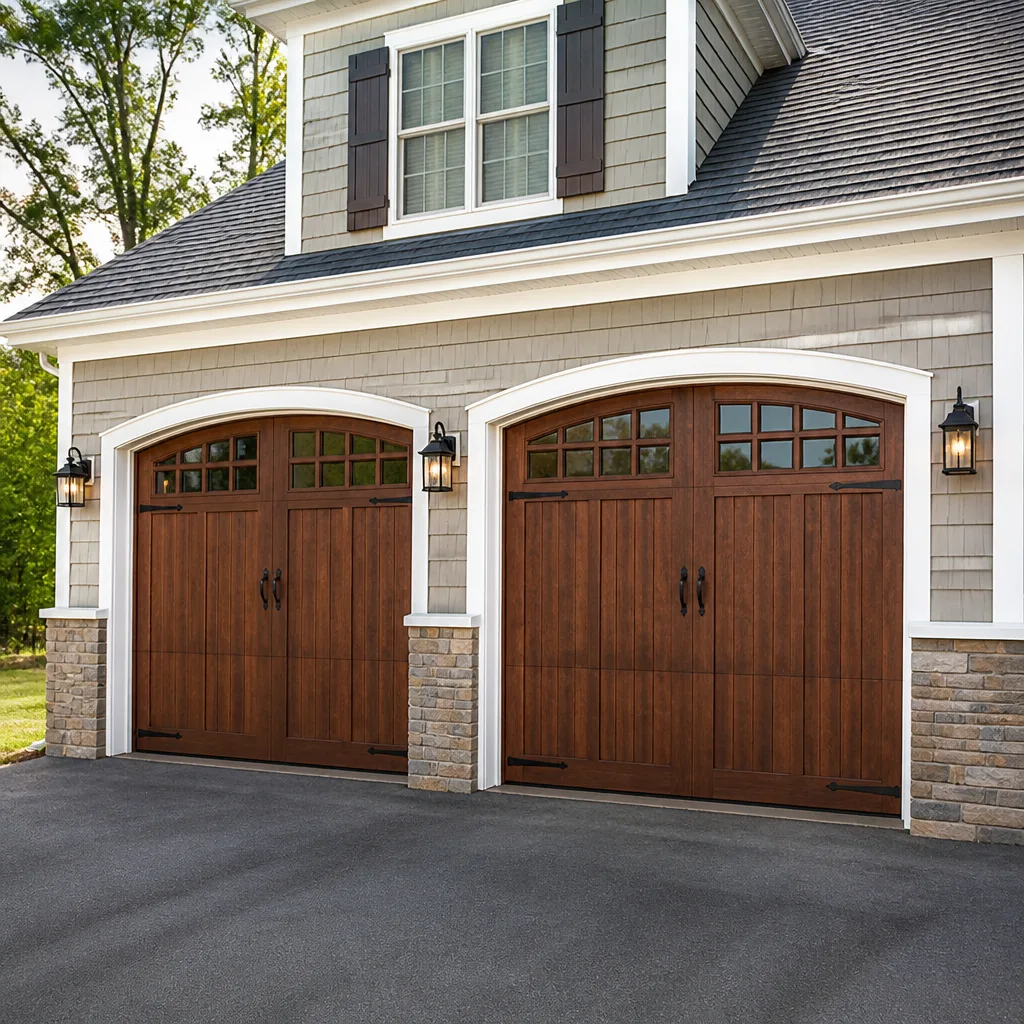 Carriage house
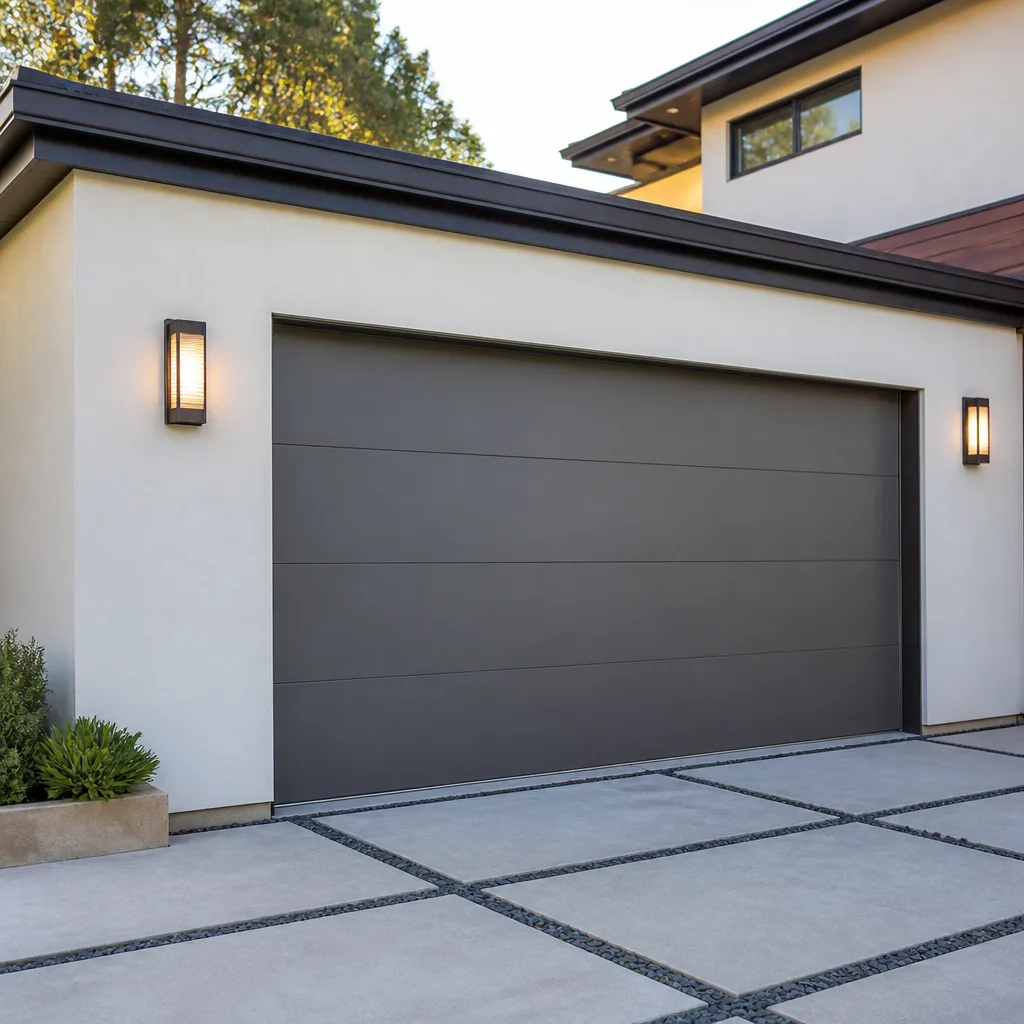 Modern flush
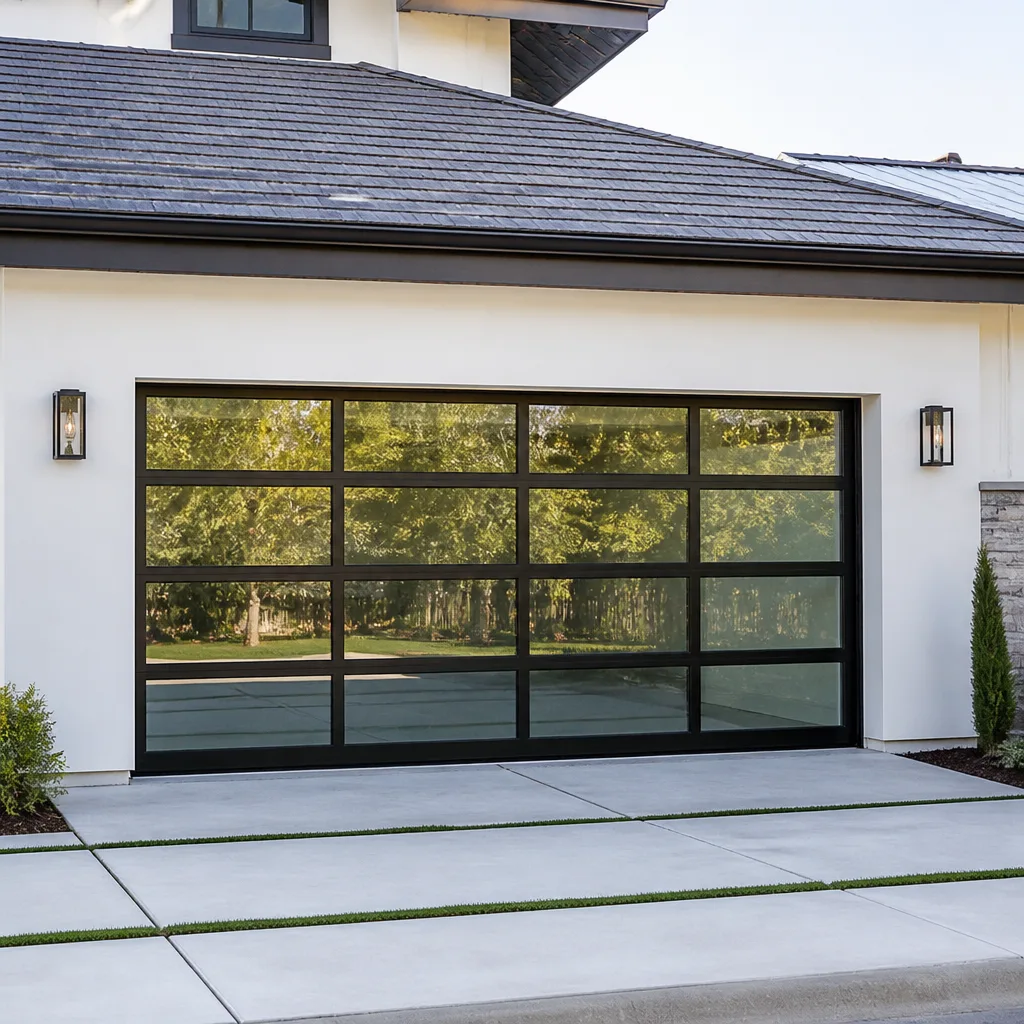 Full-view glass
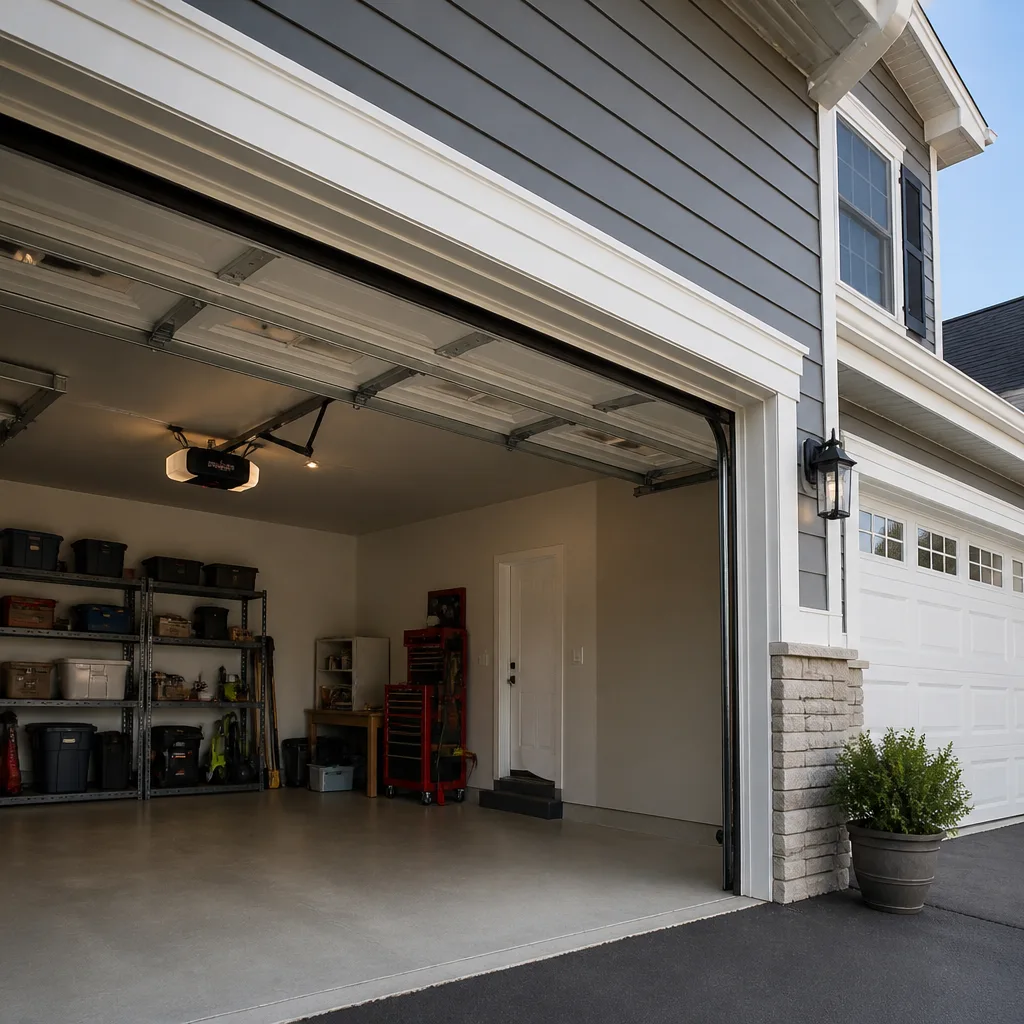 LiftMaster openers
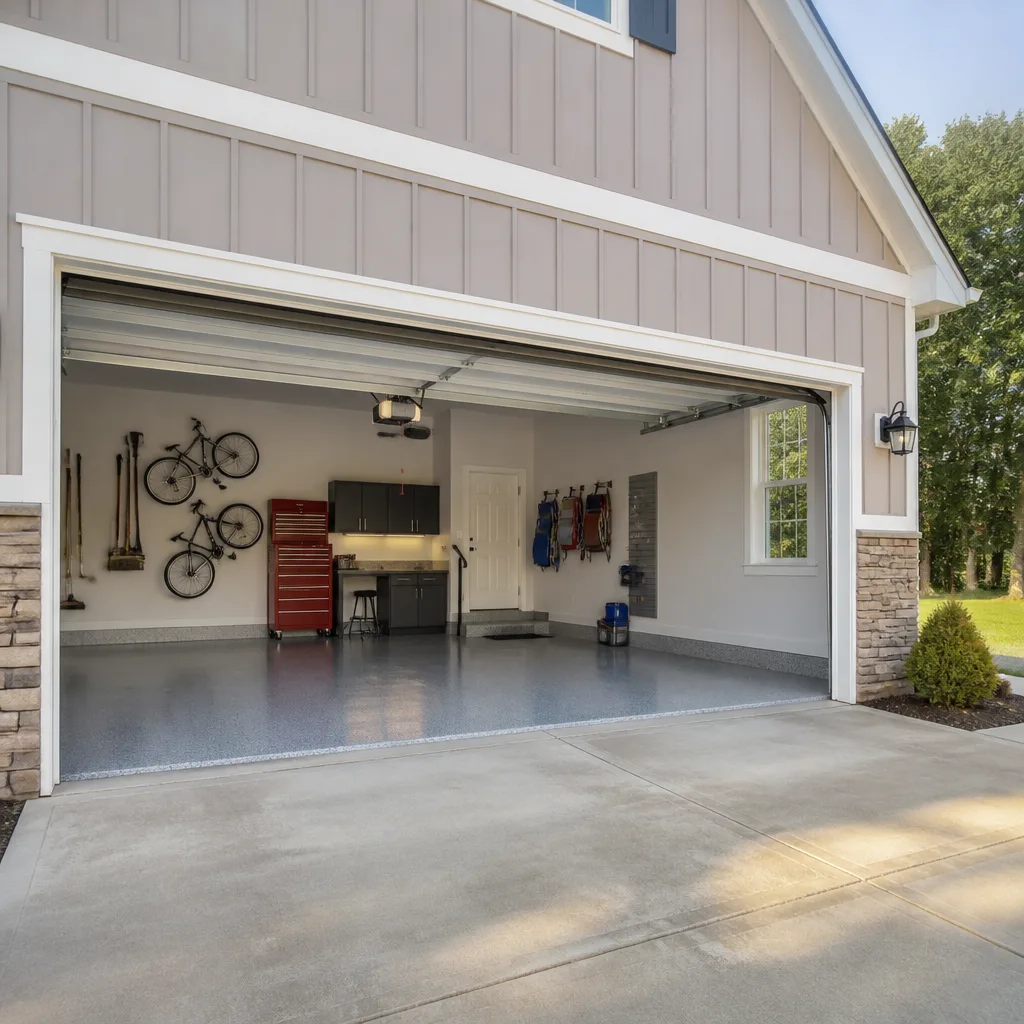 Chamberlain openers
Full 25-point door and opener safety check with every visit - springs, cables, rollers, tracks, and your LiftMaster or Chamberlain opener included
You get a price before we start. It does not change when the pro arrives.
Get your free estimateDIY vs Professional Garage Door: The North Charleston Homeowner’s Decision Guide
Most advice on this topic draws the line in the wrong place. People assume the split is about skill, so a handy homeowner tries a spring and a nervous one calls for a squeaky hinge. In our experience, that’s backwards. The real dividing line is stored energy and liability: some garage door jobs involve tension that can injure you badly when it lets go, and others are genuinely safe for a homeowner with a ladder and an afternoon. Between those poles sit a few jobs that are easy, a few that are cheap to get wrong, and a few that are dangerous no matter how careful you are. This guide draws that line for North Charleston homeowners, task by task, so you stop overpaying for the easy stuff and stop risking your hands on the hard stuff.
Styles & brands we work with
- Raised-panel steel
- Carriage house
- Modern flush
- Full-view glass
- LiftMaster openers
- Chamberlain openers
Quick Answer
You can safely handle a short list of garage door tasks yourself in North Charleston: replacing the bottom seal, aligning the safety sensors, reprogramming a remote, lubricating hinges and rollers, and treating light surface rust. You should call a professional for anything involving torsion springs, cables, the torsion tube, or track realignment, because those parts hold stored mechanical energy that can cause serious injury when released incorrectly. When in doubt, a free estimate costs nothing and settles the question faster than a guess.
Table of Contents
- Where the Line Actually Falls
- The Hard-Line Jobs: Why Springs and Cables Are Not a Skill Question
- The Safe DIY List, With Honest Difficulty Ratings
- Surface Rust vs Structural Rust: The Distinction That Matters Here
- Sourcing Brand-Matched Parts in North Charleston
- The Liability Angle: Insurance, Records, and Why It Matters
- A Simple Framework for Deciding
- Common Mistakes to Avoid
- When to Call a Professional
- Frequently Asked Questions
- The Bottom Line
Where the Line Actually Falls
A torsion spring on a standard residential door holds enough stored energy to lift the door’s weight, and when it fails or is released without the right tools it can move with real force. That single fact explains why the DIY question isn’t really about whether you’re capable. It’s about whether the task involves stored tension, cutting a tensioned cable, or repositioning a track under load. Those three things are the line.
Almost everything else on a garage door is mechanical, low-tension, and forgiving. Seals, sensors, remotes, lubrication, and cosmetic hardware all sit on the safe side. Homeowners in North Charleston who understand that split tend to make better decisions: they fix what’s safe to fix, and they call before they get in over their heads on something that stores energy.
Here’s how we think about it, and how we explain it when someone asks us whether they should try a repair themselves:
- Stored-tension parts: torsion springs, extension springs, and the cables that run with them. Professional territory, always.
- Load-bearing alignment: the vertical and horizontal tracks, the torsion tube, and the brackets that anchor them. A track that’s out of plumb changes how the whole door carries its weight.
- Low-tension hardware and controls: hinges, rollers, bottom seals, weatherstripping, sensors, and remotes. Reasonable homeowner work for many people.
We’re Rainier Garage Door Repair, and our technicians have up to 13 years of experience across eight major door and opener brands. We say that not to push you toward a service call, but so you know where the guidance comes from. If you’d rather have someone look before you commit to a repair, Rainier Garage Door Repair offers free estimates.
The Hard-Line Jobs: Why Springs and Cables Are Not a Skill Question
Torsion spring replacement, cable replacement, and track realignment are professional jobs because of the physics, not because of a secret technique. A torsion spring is wound under tension against a metal shaft; releasing that tension with the wrong tool or in the wrong order lets the spring unwind rapidly, and that’s the part that causes injuries. Cables are under the same tension and can whip when cut. Tracks carry the door’s weight and need to be aligned to the door’s true geometry, not eyeballed.
What typically goes wrong when a homeowner tries one of these:
- The wrong winding bars. People use screwdrivers or sockets instead of proper winding bars. Those tools can slip out of the winding cone while the spring is loaded, and the bar or the spring can strike a hand, arm, or face.
- Releasing tension out of sequence. A torsion system has to be unwound in a controlled order. Skip a step and the assembly can move suddenly.
- Cutting a cable that’s still tensioned. Cables on many doors are under load even when the door is down. Snapping one can whip the cut end.
- Track realignment without checking the door’s balance. A door that looks lined up can still bind, and a binding door puts extra stress on the opener and the springs.
- Using the wrong spring gauge. Springs are matched to door weight. A heavier or lighter spring than the door calls for changes the balance and shortens the life of the parts and the opener.
In our experience, this is where the “I’m handy, I can do it” instinct gets people hurt. Handiness doesn’t neutralize stored energy. A trained technician uses the right winding bars, knows how to unwind a system safely, and can check balance afterward. For springs, cables, and tracks, put the ladder away and let someone trained take it. Call garage door repair help and have it done right. If you’re in North Charleston and the door won’t lift at all, that’s usually a spring or a cable, and it’s worth a call before you try anything.
The Safe DIY List, With Honest Difficulty Ratings
These tasks don’t involve stored torsion tension, and most homeowners can do them without special tools. Difficulty ratings are ours, based on how often we see them done successfully on a first try.
- Bottom seal replacement – Easy. The rubber seal at the bottom of the door slides out of a channel on most doors and slides back in. You may need to loosen a few screws or trim the new seal to length. No tension involved.
- Safety sensor alignment – Easy. The two sensors near the floor need to see each other. A bumped sensor, a spider web, or a leaf can break the beam. Check that the LED on each sensor is lit, wipe the lenses, and nudge them back into line.
- Remote and keypad reprogramming – Easy. Most LiftMaster, Chamberlain, and Genie remotes pair by pressing a learn button on the opener and then the remote. The owner’s manual for your opener has the exact sequence.
- Hinge and roller lubrication – Easy to moderate. A little lubricant on hinges and roller stems quiets a lot of doors. Don’t spray the tracks themselves; the tracks should stay clean and dry. Use a lubricant meant for garage door hardware.
- Weatherstripping around the frame – Moderate. Replacing the strips around the door opening is straightforward carpentry, but the door has to clear the new material. Measure the gap first.
- Cosmetic hardware swaps – Moderate. Handles, hinges that aren’t load-bearing, and decorative hardware are usually fine. Any hinge or bracket that connects to a cable or spring is not a cosmetic part.
One safety note for every task on this list: never put your hands anywhere near the springs, cables, or the torsion tube while you’re working, and unplug the opener before you touch the sensors or remote. If a job turns out to involve a spring or cable you didn’t expect, stop and call.
Surface Rust vs Structural Rust: The Distinction That Matters Here
Garage hardware ages, and rust is common on hinges, rollers, and track. The question is whether the rust is cosmetic or structural. Surface rust sits on the outside of a part; structural rust has thinned or pitted the metal enough that it can no longer carry its load safely. The difference matters most on cables, springs, brackets, and the hinges that connect door sections.
How to tell the difference without guessing:
- Surface rust: a reddish or orange film on the surface. Wire-brush it, treat it, and the part looks fine underneath. Common on hinges, roller stems, and the exterior of the track. Usually fine to treat yourself.
- Structural rust: flaking, pitting, thinning, or cracks in a load-bearing part. Cables with frayed or rusted strands, springs with rust along the coil, or brackets with visible metal loss should be replaced, not cleaned.
Treat surface rust early. A little attention to hinges and track keeps hardware moving freely. But when rust reaches a cable, spring, or bracket, that’s a replacement job, and a professional should do it. We work on doors from Raynor, LiftMaster, Chamberlain, and Genie among others, and we see plenty of hardware past the point where a wire brush helps.
This is where local conditions matter. North Charleston’s humidity and warm summers push hardware toward surface rust faster than a dry climate would, so the treatment step is worth doing rather than skipping. Clean it, treat it, and watch it; the part tells you when it’s past saving.
Sourcing Brand-Matched Parts in North Charleston
The part you buy determines whether the repair holds. Brand-matched parts fit correctly and keep your warranty and door geometry intact. Off-brand substitutes often don’t, and that’s where homeowner repairs go wrong. A generic spring with the wrong gauge, a sensor that isn’t compatible with your opener, or a seal that doesn’t fit the channel all cost more in the long run than the right part.
Where to find legitimate parts in and around North Charleston:
- Start with the brand. Your door or opener was made by a specific manufacturer. Match the part to that brand and model before you buy. LiftMaster, Chamberlain, Genie, Clopay, Amarr, Wayne Dalton, Craftsman, and Raynor all have model-specific parts.
- Check the opener’s manual or label. Model numbers are on the opener head and on door hinges. Use them; don’t guess.
- Use local hardware and door supply stores when they carry the brand. A store that sells the brand can often order the exact part. Ask specifically for the model, not a “close enough” equivalent.
- Be cautious with online marketplace parts. Springs sold without a gauge or door-weight spec are a common problem. A spring is a load-rated part, not a generic rubber band.
- When a part is hard to find, let a specialist source it. We work on eight major brands and can source the right part for the door that’s actually installed.
North Charleston homeowners have real options for seals, sensors, and remotes. For springs, cables, and any load-bearing part, get the exact match. If you’re not sure what fits, our garage door opener repair and door service can sort it out. For door or opener questions across North Charleston, that’s the fastest route to the right part.
The Liability Angle: Insurance, Records, and Why It Matters
A DIY repair that goes wrong has a second cost beyond the injury: it can complicate an insurance claim and leave you without a record of the work. If a failed repair causes damage to the door, the opener, or a vehicle, your homeowner’s policy may look closely at whether the work was done by a qualified professional. A documented professional repair creates a service record that shows what was done, when, and by whom, and that record helps if a claim is ever filed.
The practical side of this for North Charleston homeowners:
- Keep a record of any professional service. Invoices and work orders that show the part, the date, and the service performed are the documentation that matters.
- Be honest about what you’ve already tried. If you attempted a repair and it didn’t work, tell the technician. It changes the diagnosis and prevents a repeat.
- Don’t let a small problem become a claim. A door that’s binding or an opener that’s straining gets worse, and a bigger failure is more likely to involve damage.
- Ask about documentation before the work starts. A written estimate and a record of the completed repair are standard, and they’re worth having on file.
None of this means you need a service call for a squeaky hinge. It means the high-stakes jobs deserve a record. We provide written estimates before any work starts, and we can work with your insurer if a claim is involved. Call (888) 655-8807 for a free estimate. We answer 24/7. Fast dispatch from 7am to 7pm, Sunday through Friday.
A Simple Framework for Deciding
When you’re standing in the garage wondering whether to call, run through these questions in order. The first “yes” sends you to the phone.
- Does the job involve a spring, a cable, or the torsion tube? Yes means professional. Always.
- Is the door off its track, or has a track been hit? Yes means professional. Tracks are load-bearing.
- Is the door hard to lift, or does it fall when you let go halfway up? That’s a balance problem, usually with springs, and it’s professional work.
- Is the problem the opener itself, or a sensor or remote? Sensors and remotes are DIY. A motor, gear, or board issue is opener service, and that’s something we handle.
- Is it a seal, weatherstripping, a hinge, or cosmetic hardware? Usually safe to try yourself.
- Is the door more than a decade old and the problem is new? Worth a professional look; the cause is often not the part you can see.
That’s the framework. Springs and cables: stop. Easy jobs: go ahead. Everything in between: call and ask. A free estimate doesn’t commit you to anything.
Common Mistakes to Avoid
- Using screwdrivers as winding bars. Two sentences: the wrong tool can slip out of the winding cone while the spring is loaded. Proper winding bars exist for a reason, and this is the single most common cause of garage door injuries we hear about.
- Cutting a cable to “release” the door. A cable under tension can whip when cut. If the door is stuck, don’t try to free it by cutting; call and let someone trained do it.
- Lubricating the tracks. Grease on the tracks attracts grit and makes the door bind. Lubricate the hinges and rollers, and leave the tracks clean and dry.
- Buying a spring without the door-weight spec. A spring that’s the wrong gauge for the door changes the balance. Match the spring to the door, not to what’s on the shelf.
- Ignoring a door that reverses for no reason. In a humid climate, sensors and hardware can pick up problems you don’t see. If the door reverses without an obstruction, check the sensors first, then call if it continues.
- Forcing a stuck door with the opener. Running an opener against a binding door strains the motor and the door. Stop using it until the binding is fixed.
- Treating rust on a cable like rust on a hinge. Surface rust on hardware is cosmetic. Rust on a cable or spring is a replacement issue, and a professional should handle it.
- Skipping the estimate and assuming the worst. Plenty of “big” problems turn out to be small. Get a free estimate before you buy parts or commit to a repair.
When to Call a Professional
Call when the job involves a torsion spring, a cable, the torsion tube, or track realignment. Call when the door is hard to lift, falls on its own, or has come off the track. Call when the opener runs but the door doesn’t move, when the door reverses for no reason, or when a strange noise gets worse over time. Call when rust has reached a load-bearing part, when a part has been replaced with something that doesn’t fit, or when you’ve tried a fix and it didn’t hold. Those are the moments when a service call saves money instead of costing it.
Rainier Garage Door Repair offers free estimates in North Charleston. Call (888) 655-8807. We answer 24/7. Fast dispatch from 7am to 7pm, Sunday through Friday.
Frequently Asked Questions
No, a torsion spring should not be replaced by a homeowner because it stores enough energy to cause serious injury when released incorrectly. The winding process requires proper bars and a controlled sequence, and a mistake can move the spring or the tool with real force. It’s not a skill question, it’s a stored-energy question. Call (888) 655-8807 for a free estimate on spring replacement instead.
Bottom seal replacement, safety sensor alignment, remote and keypad reprogramming, hinge and roller lubrication, and weatherstripping are all reasonable homeowner jobs. None of them involve stored torsion tension. Surface rust treatment on hinges and track is also fine to handle yourself. Anything touching a spring, cable, or track is not. Call (888) 655-8807 if you’re unsure which side of the line a task falls on.
It can, if a failed repair leads to damage and the insurer questions whether the work was done by a qualified professional. A documented professional repair creates a service record that shows what was done and when. Keep invoices for any professional service, and tell the technician about any repairs you’ve already attempted. Call (888) 655-8807 to schedule a service and get a written record of the work.
Surface rust sits on the outside of the part and can be wire-brushed away; structural rust has thinned, pitted, or cracked the metal. Check cables, springs, brackets, and load-bearing hinges specifically. If the metal looks flaky, cracked, or visibly thin, replace the part rather than treat it. Call (888) 655-8807 for an assessment if you’re not sure what you’re looking at.
Start with the brand and model number from your door or opener, then buy the exact part for that model. Local hardware and door supply stores that carry the brand can often order it. Be careful with springs and sensors from online marketplaces, since wrong-gauge or incompatible parts are common. We work on eight major brands and can source the right part. Call (888) 655-8807 for help identifying what you need.
A professional repair is priced per job by a written estimate, and a free estimate tells you the number before you commit. DIY saves the service cost but adds the price of parts and the risk of a failed repair, and the risk is much higher on springs and cables. Get the estimate first. Call (888) 655-8807 and we’ll quote the job before any work starts.
The Bottom Line
The DIY vs professional question for a garage door comes down to stored energy and load-bearing parts. Springs, cables, torsion tubes, and track realignment are professional work because they can hurt you, not because they’re mysterious. Seals, sensors, remotes, lubrication, and weatherstripping are safe for many homeowners, and you should feel free to handle them. Rust needs a judgment call: treat the surface, replace the structural. When you’re unsure, a free estimate settles it in minutes, and Rainier Garage Door Repair is here for the jobs that cross the line. Built to hold is how we approach every repair.
Written by the team at Rainier Garage Door Repair.
See the difference
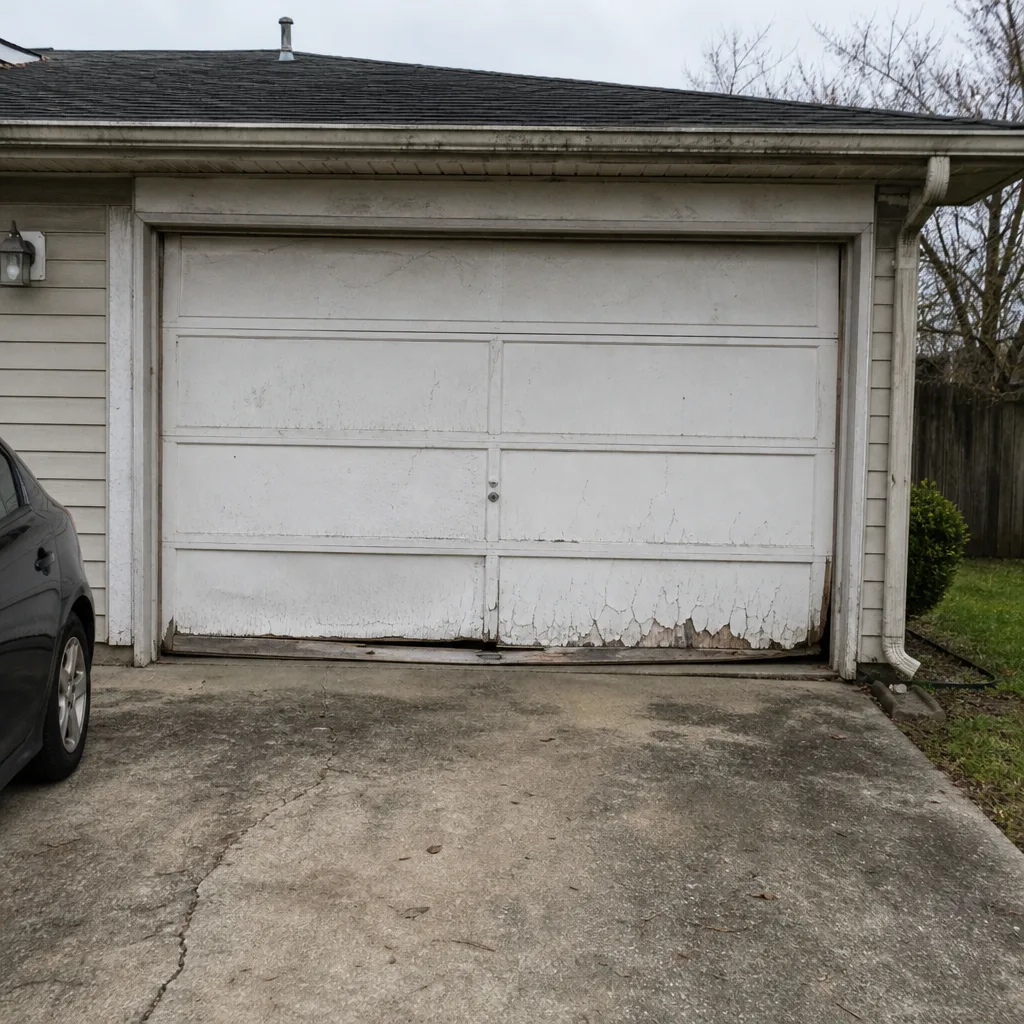 Before
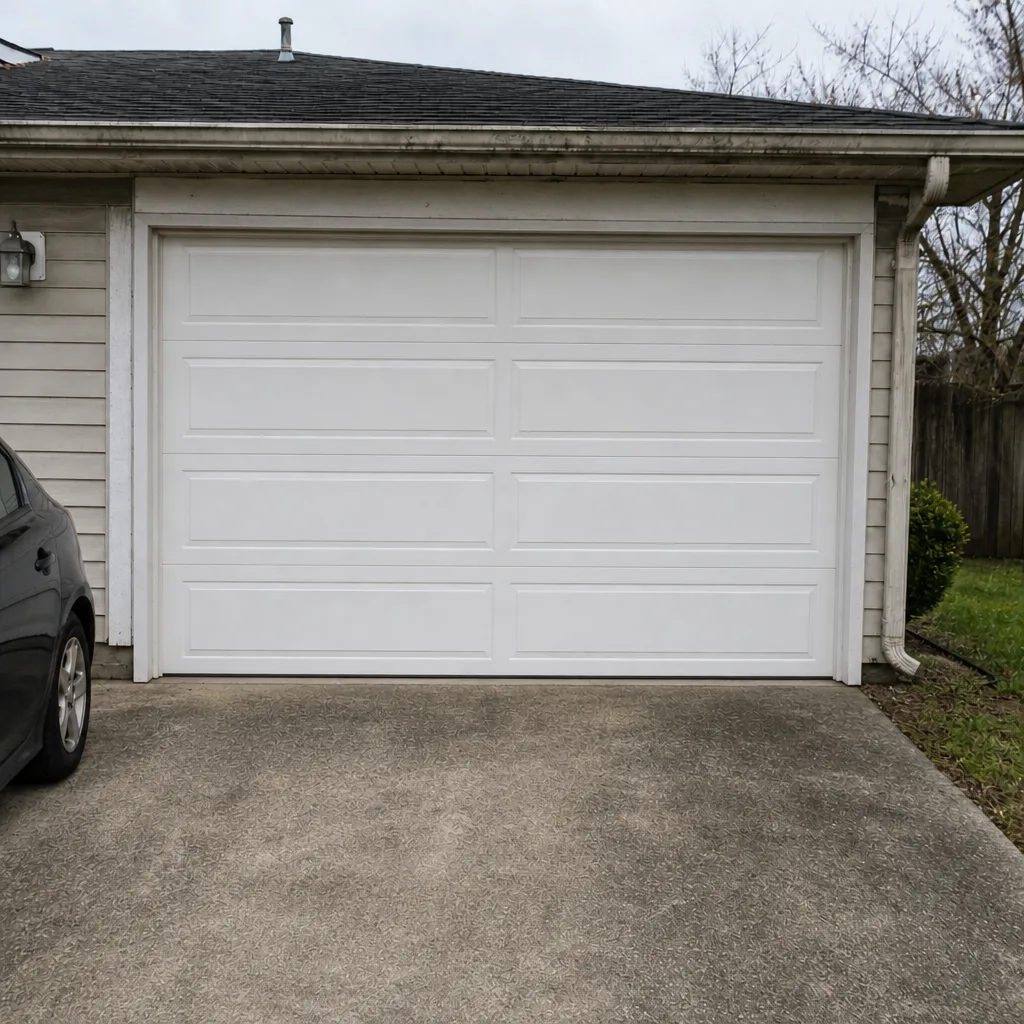 After
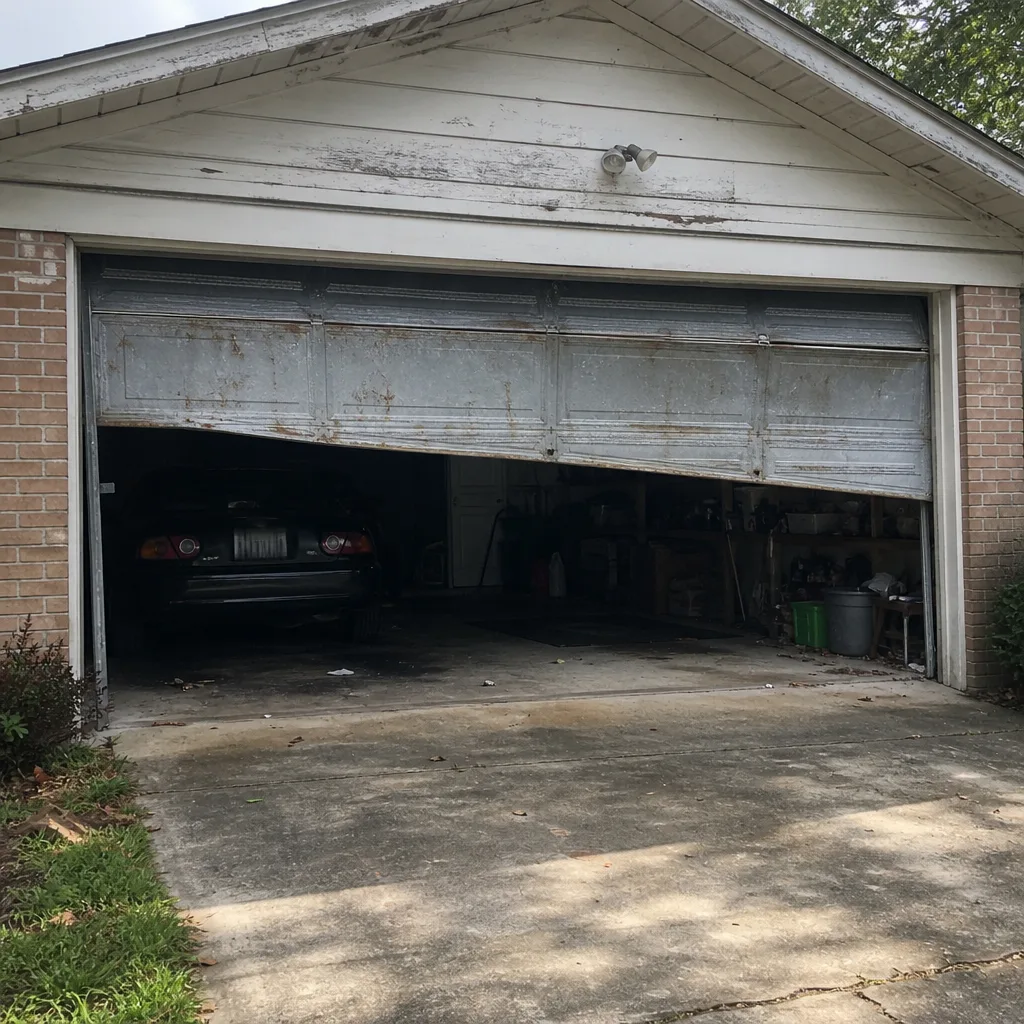 Before
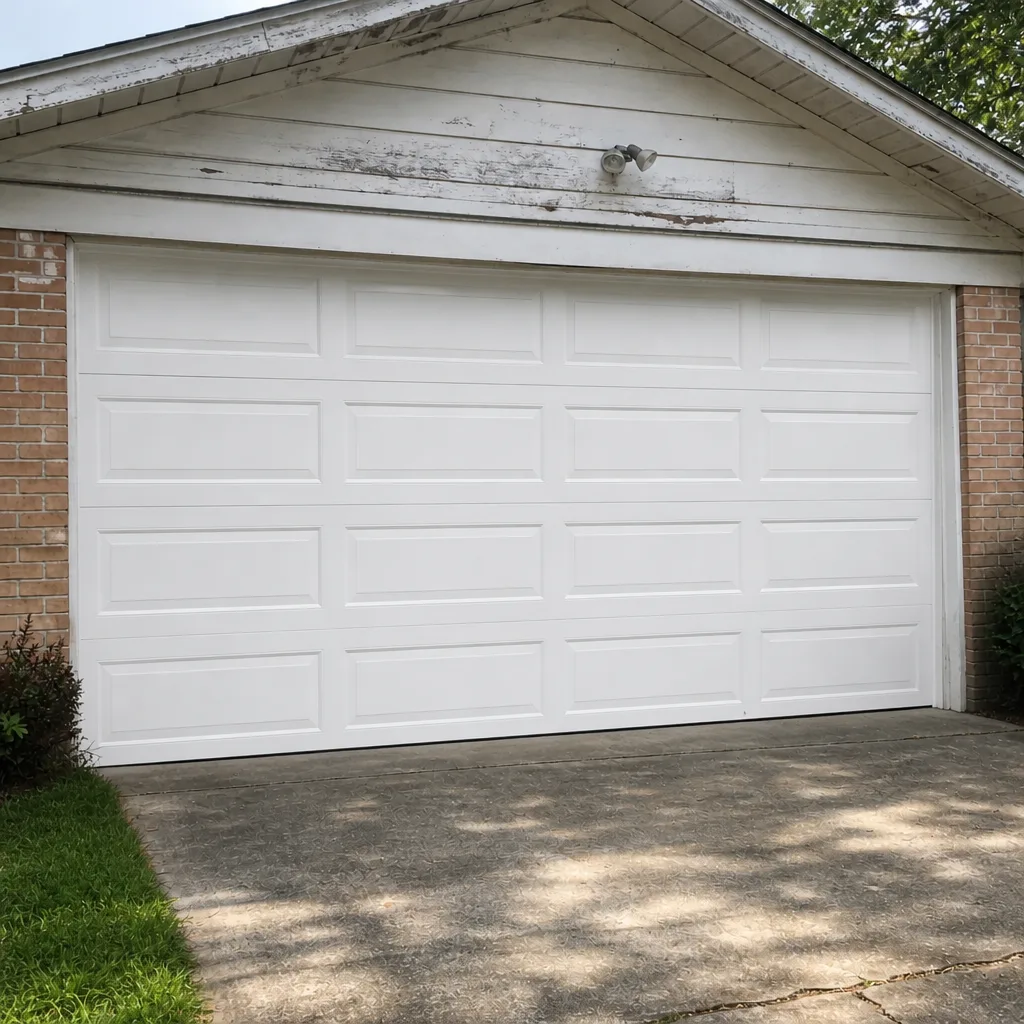 After
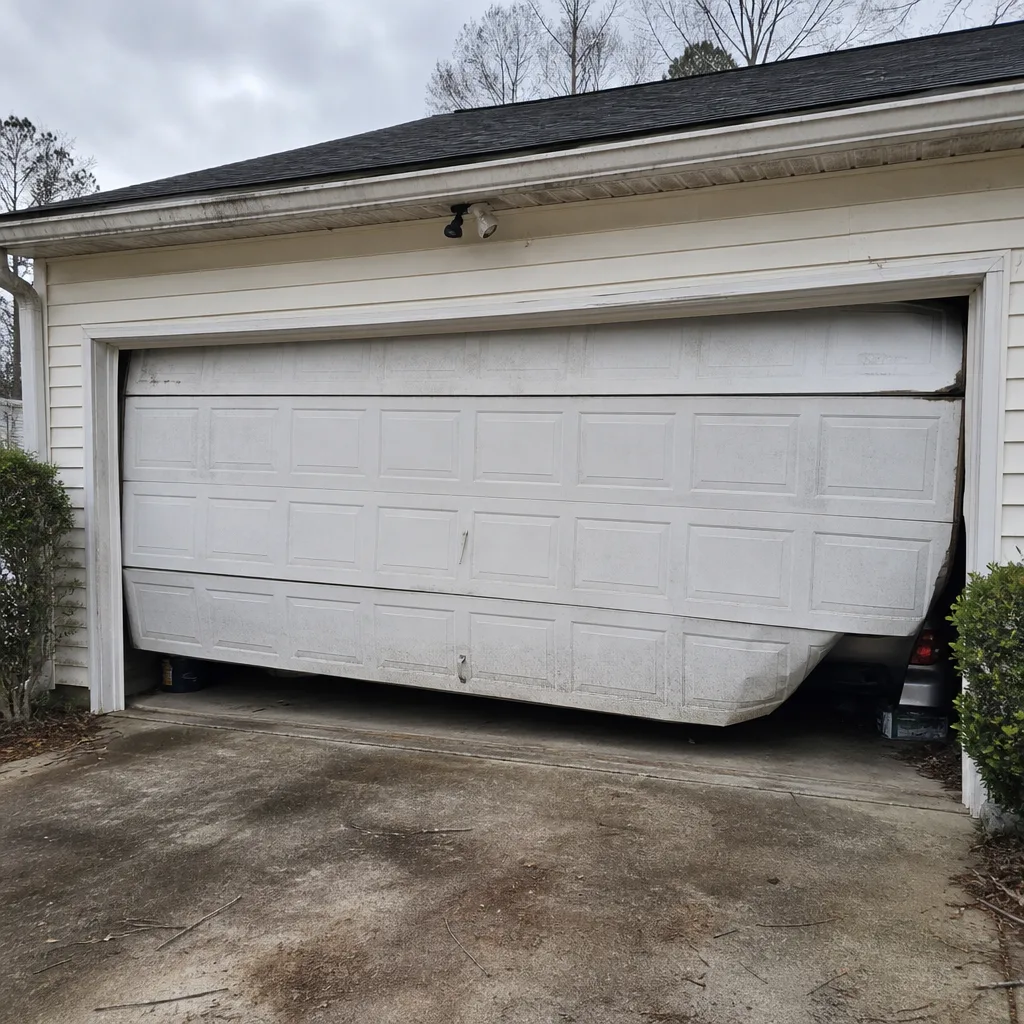 Before
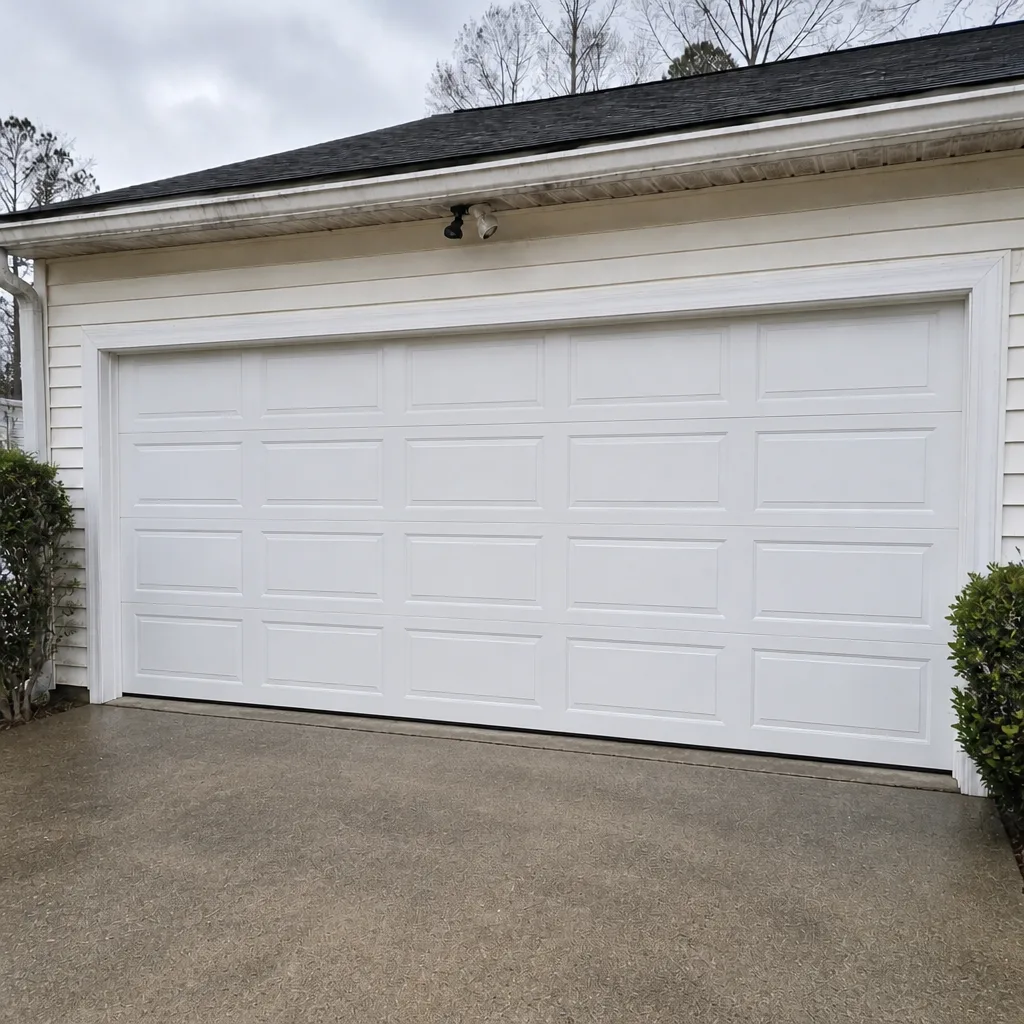 After