
Last updated November 15, 2026
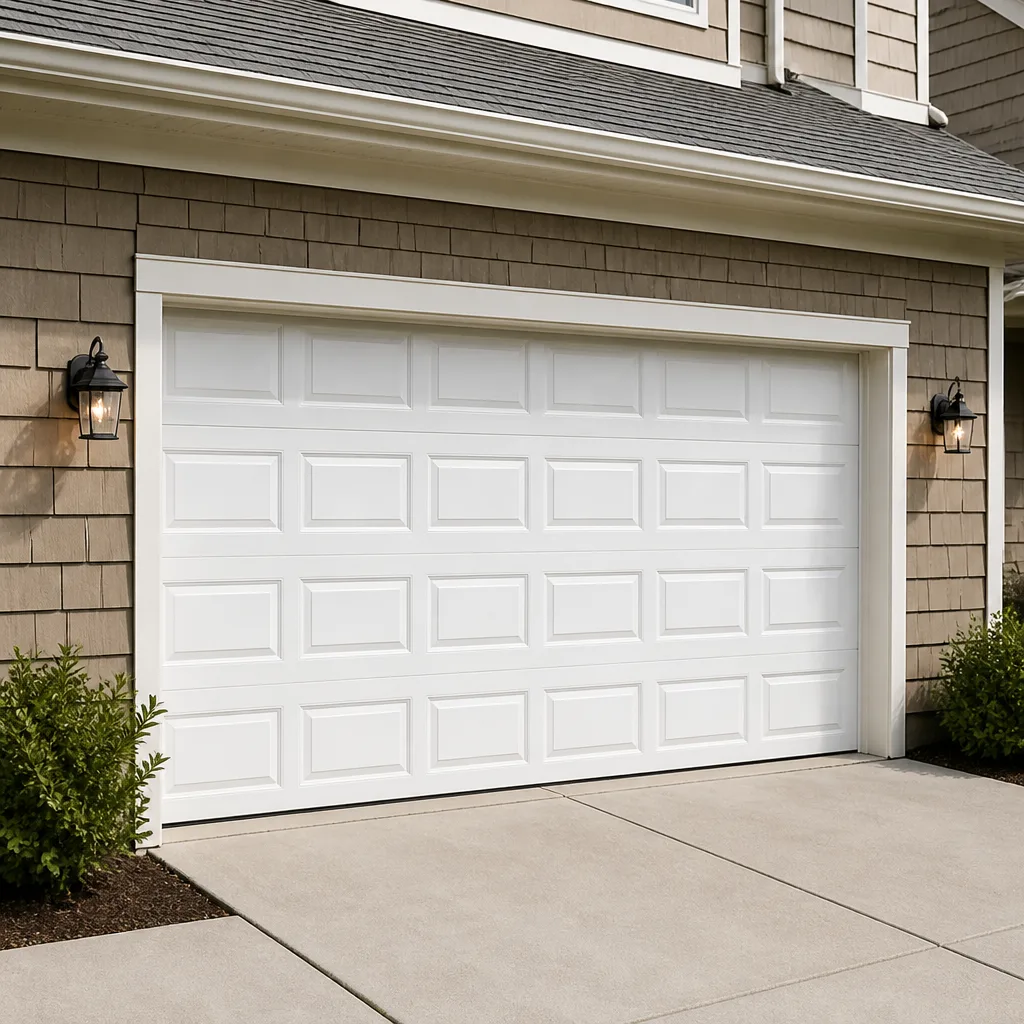 Raised-panel steel
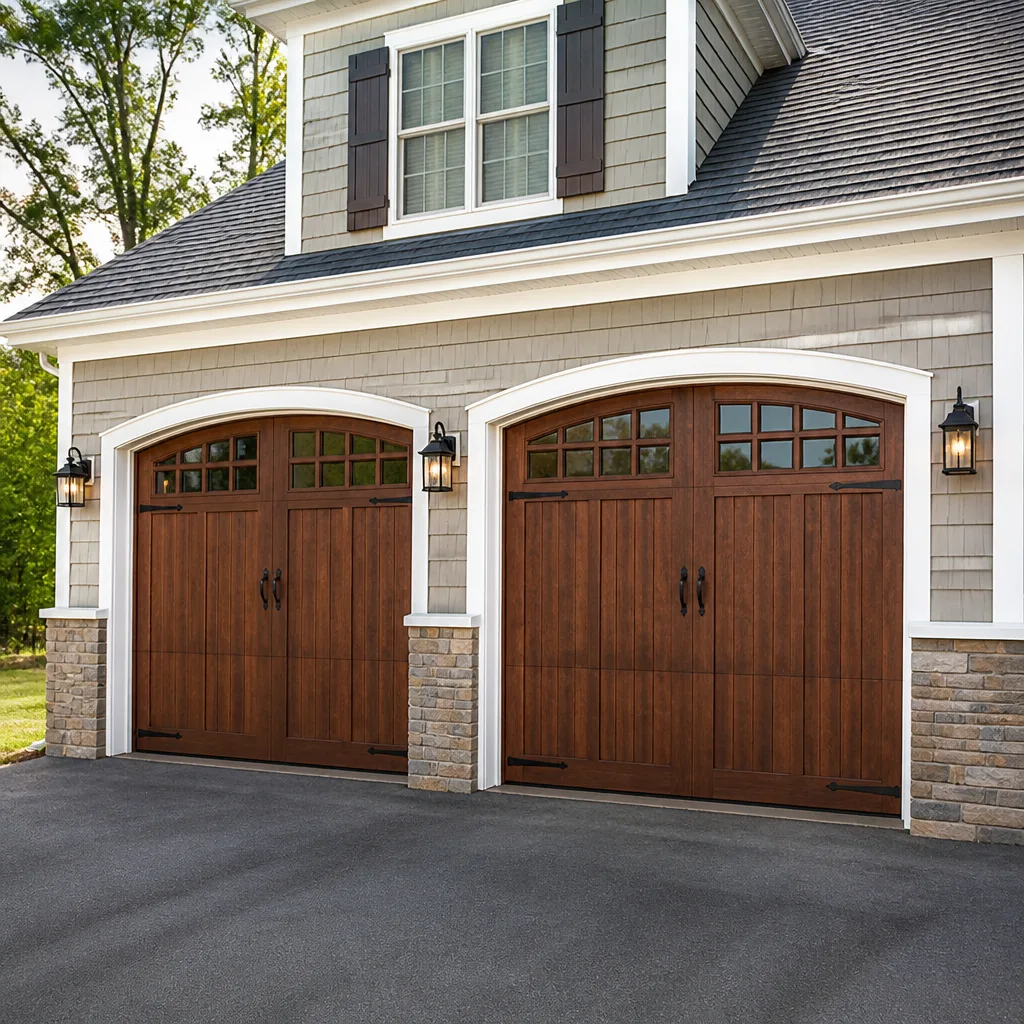 Carriage house
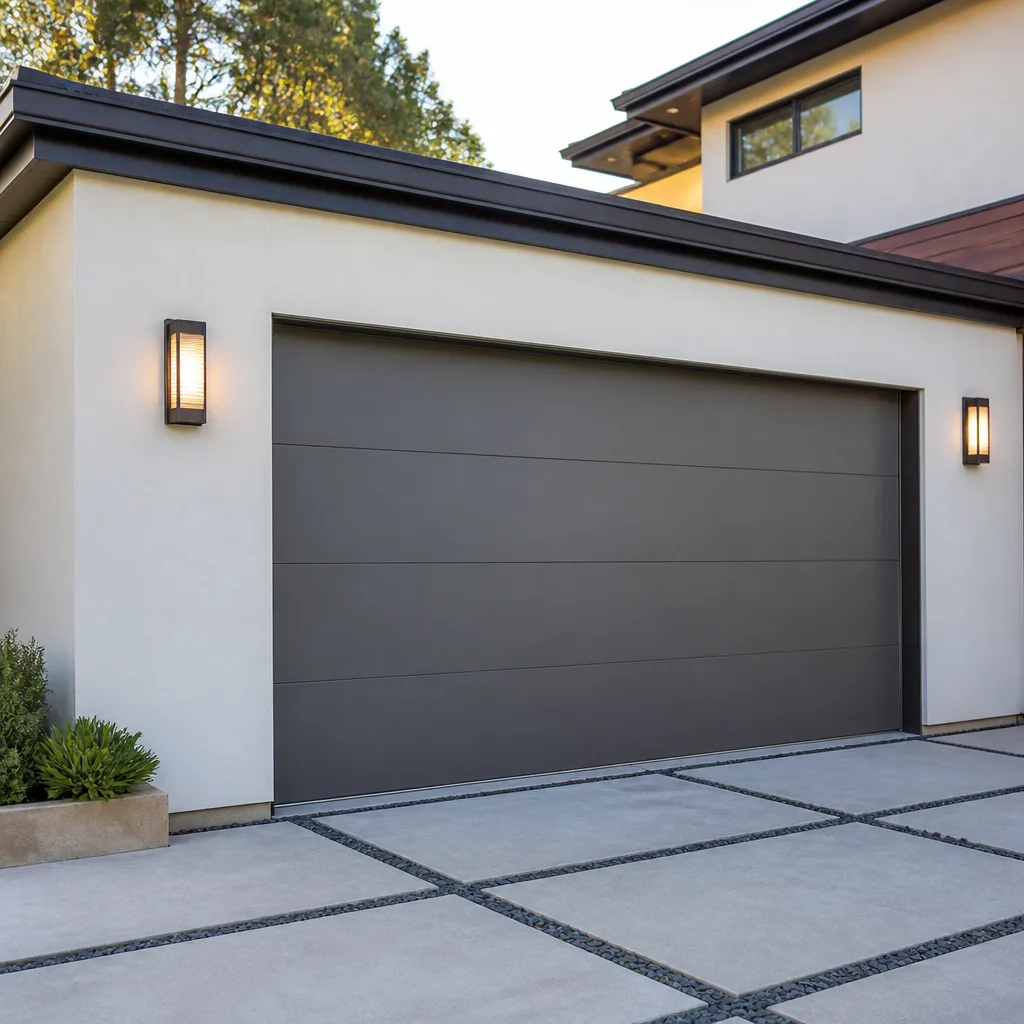 Modern flush
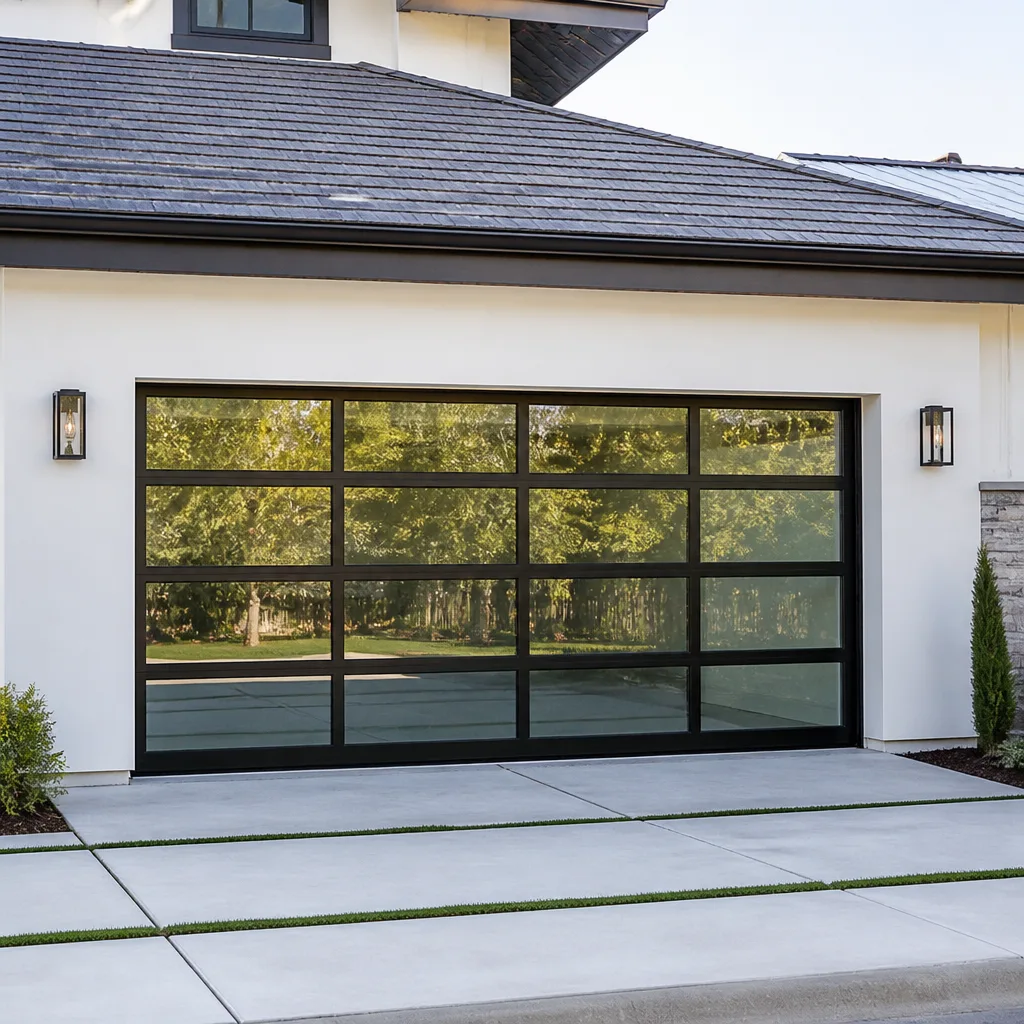 Full-view glass
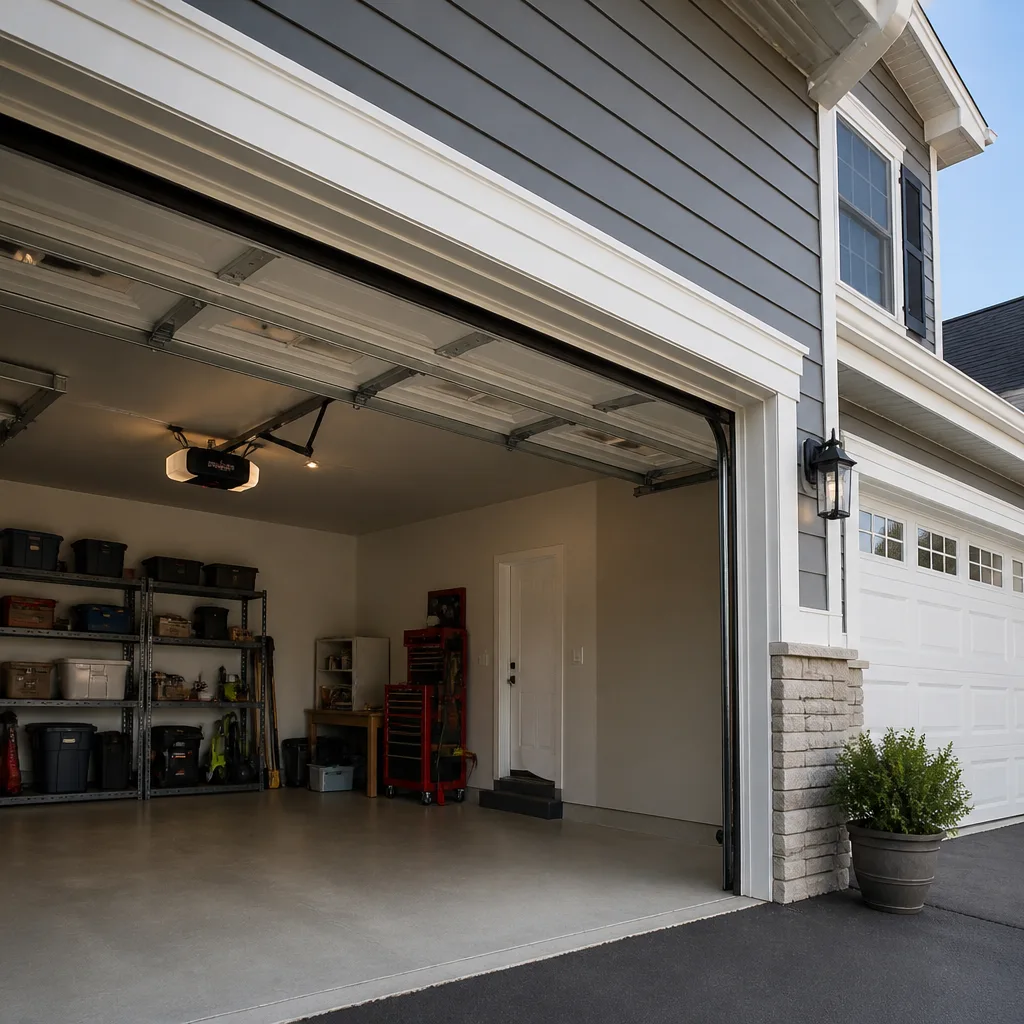 LiftMaster openers
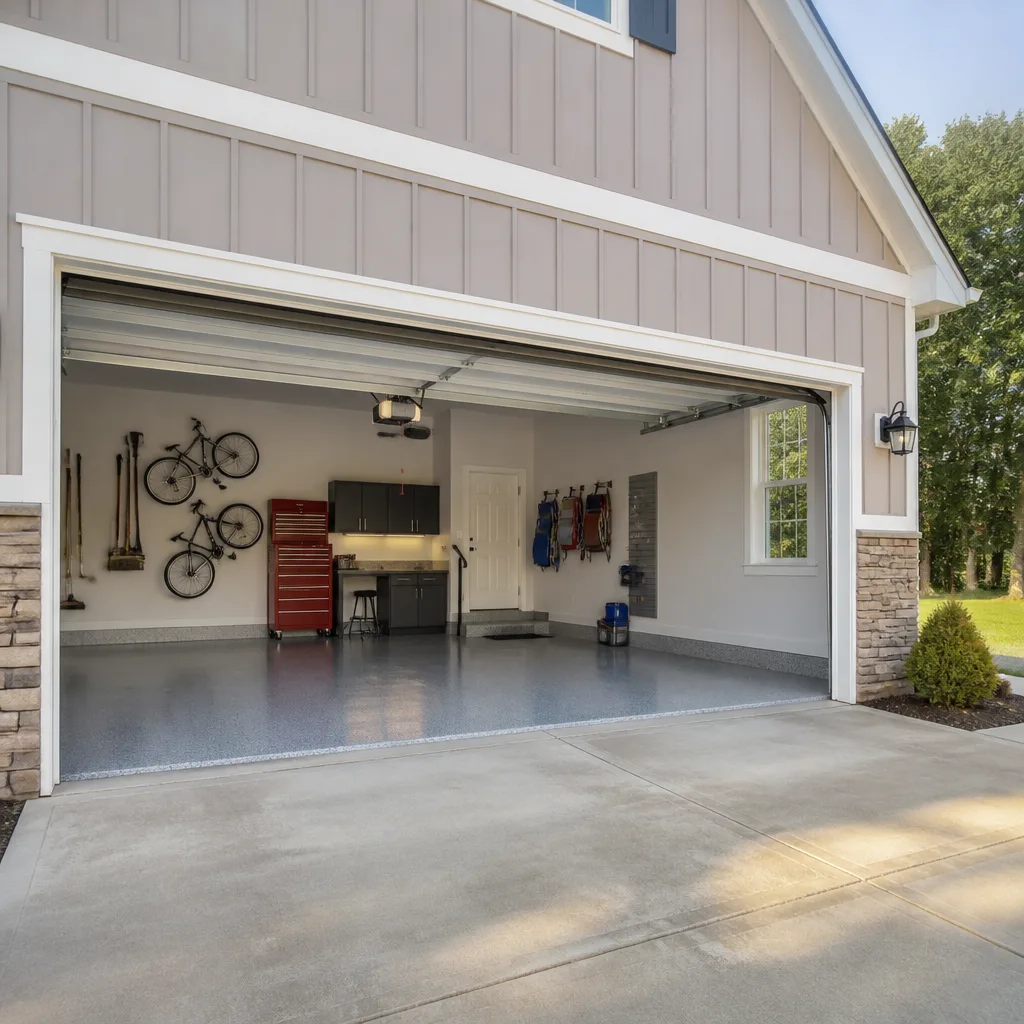 Chamberlain openers
Full 25-point door and opener safety check with every visit - springs, cables, rollers, tracks, and your LiftMaster or Chamberlain opener included
You get a price before we start. It does not change when the pro arrives.
Get your free estimateGarage Door Emergency Preparedness Guide for North Charleston Homes
Most homeowners in North Charleston treat a garage door like a convenience, not a structural component. That’s the wrong way around. The garage door is the largest opening in your home, and under wind pressure it is the first thing that can fail. When it does, the pressure inside the garage changes fast, and that loads the roof from below. So a door that pops out of its tracks isn’t just a repair bill; it’s the moment your home’s envelope stops working. This guide covers what actually holds a door in place during a Lowcountry storm, how a brace kit or a wind-rated door works, how to release your opener in the dark, and what to check after the wind passes. It’s written for homes in North Charleston and the surrounding Lowcountry, where named storms and hurricane threats are a recurring part of life.
Quick Answer
Garage door emergency preparedness in North Charleston comes down to four things: a door rated or braced for high wind, a manual release you’ve actually tested, a working battery backup or generator plan for the opener, and a post-storm inspection before you ever press the button. If your door is a standard non-rated model with no bracing and you live in a wind zone, treating it as a structural weak point is the single most useful upgrade you can make. Our technicians have up to 13 years of experience with every major opener and door brand, and we’ll tell you plainly whether your current door needs a brace, a rated replacement, or nothing at all. Call (888) 655-8807 for a free estimate. We answer 24/7.
Styles & brands we work with
- Raised-panel steel
- Carriage house
- Modern flush
- Full-view glass
- LiftMaster openers
- Chamberlain openers
Table of Contents
- Why the Garage Door Is the Weak Point in a North Charleston Storm
- Wind-Rated vs. Hurricane-Rated: What the Labels Actually Mean
- Bracing Kits: When a Horizontal Brace Is Enough
- The Manual Disconnect: Every Brand, Working in the Dark
- Opener Backup Power: Built-In vs. External
- Post-Storm Inspection: What to Check Before You Operate
- The North Charleston Storm-Season Prep Routine
- Brand-Specific Prep: Clopay, Amarr, Wayne Dalton, Craftsman
Why the Garage Door Is the Weak Point in a North Charleston Storm
When hurricane season arrives, most homeowners focus on the windows. That’s sensible, but it misses the fact that the garage door presents a much larger opening, often sixteen feet wide and seven feet tall, and its panels are designed to flex and roll. Under sustained wind, the door becomes a large sail. If the wind load exceeds what the door or its tracks can handle, panels bow, rollers jump the track, or the door pushes inward. The moment there’s a breach, wind-driven pressure enters the garage, and the roof above becomes vulnerable to being pushed up from inside.
North Charleston sits in a named-storm track. That’s the practical point: threats here are documented and repeated, not hypothetical. Hurricane season runs roughly June through November, and the Lowcountry has seen direct threats and near-misses in that window again and again. For a homeowner, that means the garage door isn’t a detail you address when it’s convenient. It’s a piece of the building envelope that should be assessed before the season starts.
Here’s what actually matters when wind hits a door:
- The label and the rating on the door. A door engineered and labeled for wind load is built differently from a standard door of the same look. Panels are thicker, reinforcement is internal, and the track engages differently.
- The tracks and rollers. A rated door with worn tracks is still a weak door. Tracks take the wind load, and if they’ve lost their fasteners or bowed, the rating means little.
- The installed condition, not just the box. A correctly rated door installed poorly performs well below its rating. This is the most common place prepared homes fall short.
- What the door faces. Wind-driven impact from debris is a separate problem from pressure, and it’s why impact-rated options exist at all.
If you’ve not looked at your door’s label, that’s the first step. A professional garage door repair evaluation will find the rating, check the tracks, and tell you what your current setup will realistically do in a significant wind event.
Wind-Rated vs. Hurricane-Rated: What the Labels Actually Mean
Wind-rated and hurricane-rated are not the same thing, and the difference matters when you’re comparing doors or talking to a professional. A door rated for 90 mph wind load has been engineered and tested to resist pressure at that speed. A door built to hurricane-impact standards is engineered differently: it’s designed to resist pressure and to withstand the impact of wind-borne debris, and the testing protocols are stricter. South Carolina increasingly references standards that grew out of South Florida’s building code, which is where many of today’s hurricane-impact product standards originated. That doesn’t automatically mean every door in North Charleston is required to meet those standards, but it does mean the labels and the testing behind them are worth understanding.
When you’re evaluating a door, here’s how to think about the tiers:
- Standard door, no wind label. Works fine in ordinary weather. During a significant wind event, it has no engineered rating and no internal reinforcement. This is the category most older North Charleston homes fall into.
- Wind-load rated. The door panels and hardware are engineered and tested for a stated pressure. Ask for the label and the rating, and ask whether the tracks and installation hardware are part of that rated system.
- Hurricane-impact rated. Built to a higher impact standard on top of pressure resistance. Typically heavier, typically more expensive, and typically what you want if the goal is a door that holds under debris impact as well as wind pressure.
Two practical points: the door rating is meaningless if the install is wrong, and the hardware that comes with a rated door is part of the rating. Don’t let a rated door be installed on standard tracks. Clopay and Amarr both manufacture wind-rated models, and both publish rating information you can ask a professional to match against your home’s opening. If you’re considering replacement, this is where a free estimate from your North Charleston house is genuinely useful; a written price against the actual opening beats a showroom conversation.
Bracing Kits: When a Horizontal Brace Is Enough
Bracing is the most misunderstood part of garage door preparedness. Homeowners often assume a brace kit turns any door into a hurricane door. It doesn’t. A brace kit helps an already-sound door resist wind load better by stiffening the top section and connecting it to the tracks or wall. That’s a real improvement, and for some homes it’s exactly the right call. But it is not the same as a door engineered for impact, and it is not a substitute for fixing a door that’s already structurally compromised.
When a horizontal brace typically makes sense:
- A standard single-car or small double door in good structural condition, where reinforcement is the goal and the door isn’t the primary structural line of defense.
- A door with sound tracks, intact rollers, and an opener in good working order.
- A home where the garage isn’t the only barrier between wind and the rest of the house, and the goal is to prevent the door from bowing and losing the track.
When a vertical brace or a rated system is required instead:
- You live in a jurisdiction or zone where the local code references wind reinforcement standards. Some areas in and around North Charleston refer to stricter wind standards than others, and the building department can tell you what applies to your address.
- The door is a wide double door where the center span is the weak point. A horizontal brace alone often isn’t enough across that span.
- The door is older and was never engineered for bracing at all. Some older doors need a different solution or replacement rather than an add-on.
What about an older door that wasn’t built for either? Be honest about the options. If the door is otherwise in good shape, a professional can sometimes add reinforcement that helps. If it’s a door that’s already flexing, out of square, or rusting at the bottom panel, bracing it is putting money into something that won’t hold. In our experience, that conversation is where the value is. We’ll tell you whether a brace, a repair, or a replacement actually makes sense for your door. That’s the same approach we take with everything we do at Rainier Garage Door Repair.
The Manual Disconnect: Every Brand, Working in the Dark
When the power goes out, and during a serious storm it usually does, your garage door opener becomes a dead weight. The manual release is what lets you open the door by hand so you can get a vehicle out or so the door can be operated safely. The release works the same way in principle across brands, but the specific location and feel of it differ enough that you should practice it before you need it. This is not something to figure out in a dark garage with the wind blowing.
Here’s the procedure in general terms, the way it applies to a LiftMaster, Chamberlain, Genie, or Craftsman unit. Before anything: never stand under a door you’ve released until you’re sure it’s balanced. A door that’s out of balance can drop hard, and spring systems store a lot of energy. If the door feels heavy or slams down, stop and call a professional.
- Locate the release cord or handle. It’s usually a red or colored handle hanging from the trolley on the opener rail, and it’s what you pull to disengage the door from the opener.
- Pull straight down. You should hear or feel the trolley disengage. Don’t yank it sideways; pull in line with the trolley.
- Test the door by hand. Lift it slowly a few inches and let it settle. It should feel balanced, not heavy or falling.
- Operate by hand slowly. If the door moves cleanly, you can lift and lower it manually. If it binds, stop; a bound door can be forced out of the track.
- Re-engage after power returns. Follow your opener’s instructions for reconnecting the trolley, then run a full cycle to confirm the door’s travel limits are still correct.
What differs by brand: the shape of the release handle and its exact position on the rail. Chamberlain and Craftsman units often use the same trolley design. Genie units sometimes mount the release differently, and LiftMaster units vary by model and rail type. The important thing is that you find yours today, in daylight, and know how it feels. If your opener won’t disengage or the door binds when you try, that’s a service call, and our garage door opener repair team can sort it out before the season arrives.
Opener Backup Power: Built-In vs. External
Post-storm, you may need to get a vehicle out of the garage and the power may still be down. There are two ways to handle that. The first is an opener with a built-in battery backup, which lets the door run a limited number of cycles after the power fails without any manual release. The second is a manual release counted as your only plan, or an external source like a generator feeding the circuit the opener is on. Either works, but they behave very differently in practice.
What built-in battery backup gets you: a limited number of open/close cycles after power loss, enough to get vehicles out and back in. Not all opener models have it. Whether yours does depends on the model, not the brand broadly. LiftMaster and Chamberlain both make models with battery backup, and Genie has options too, but “LiftMaster” or “Genie” on the label doesn’t tell you whether the unit in your garage has backup. The model number does. Find it, usually on the back or end of the motor housing, and confirm with a professional which spec you have.
What an external solution looks like:
- Generator feeding the opener circuit. Workable if you know what circuit the opener is on and your generator can handle the load. You’ll want to test this before hurricane season, not during it.
- Manual release as primary plan. Fine as long as you’ve practiced the disconnect procedure and your door is balanced. But if the door is heavy, this becomes risky.
- Battery backup unit added to a compatible opener. Some models can accept a backup battery accessory. Not every model can, and compatibility depends on the opener’s control board, not just the brand.
If you’re not sure which you have, or if your current opener is old enough that a replacement is coming anyway, this is a good time to plan for a unit with battery backup. Our North Charleston team handles North Charleston door and opener work, and we can tell you exactly what your model supports before you buy anything.
Post-Storm Inspection: What to Check Before You Operate
After the wind passes, the temptation is to press the button and see if it still works. Don’t. Run a visual inspection first. The most common cause of compounded storm damage is a homeowner operating a door that’s already structurally off. Here’s the protocol:
- Look at the tracks from the ground. Tracks should be straight, parallel, and firmly attached at every bracket. Bowed tracks or missing fasteners mean the door is not safe to run.
- Inspect the cables visually. Cables should be under tension and even. Never touch a frayed or slack cable. Cables and springs are under high tension and can cause serious injury. This is the one part of storm damage you should look at, not touch.
- Check foundation and floor at the door opening. Ground settling and slab movement are common in the Lowcountry, and a shifted floor can throw off door travel. If the door isn’t sitting flush at the bottom, don’t run it.
- Check panels and bottom weather seal. Water penetration often shows at the bottom section first. If the bottom panel is dented, sagging, or separating, the door may not be aligned.
- Check the opener rail and trolley. Make sure the trolley is still engaged and the rail isn’t hanging loose. If the power was out, confirm the door is re-engaged before you run it.
- Test by hand first. Lift the door manually a few inches and let it settle. If it feels heavy, binds, or falls, stop and call for service.
Only after the door passes those checks should you run it with the opener. If anything looks off at any point, stop. A storm that damages the door is a repair. A storm that damages the door and then gets operated into more damage is a bigger repair. This is where our North Charleston garage door repair service helps most, and we can inspect and quote before anything else goes wrong.
The North Charleston Storm-Season Prep Routine
The best storm prep happens before the season, not during the warning window. If you’re prepping for the season, this is the routine we recommend for North Charleston homes:
- Find the door and opener model numbers. Write them down. They tell you exactly what you have for rating, backup power, and parts compatibility.
- Read the door’s label. Note the wind rating if there is one, and whether the door’s hardware matches it. If there’s no label, note the door brand.
- Test the manual disconnect. Do it in daylight. Know where the release is and what the door feels like when you operate it by hand.
- Confirm backup power. Check whether your opener model has battery backup or can accept an accessory. If not, plan for the generator circuit or plan for manual release.
- Book a pre-season inspection. A professional evaluation of the tracks, cables, springs, balance, and opener settings before the season starts is the most effective step.
- Clear the garage floor and overhead area. Anything stored above the door or near its path becomes a projectile or an obstruction when the door operates.
- Keep the call number handy. If you’re not sure of what your door needs, the fastest way to find out is to ask.
The North Charleston climate puts real stress on hardware year-round, and the heat and humidity alone accelerate wear on metal parts and weather seals. Prep is about making sure the door and opener are in their best condition when the season starts, not about adding things you don’t need. We’re happy to walk through what your door actually needs, with a free estimate and a written price before any work starts.
Brand-Specific Prep: Clopay, Amarr, Wayne Dalton, Craftsman
Brand knowledge isn’t a sales point; it’s practical. It means whoever shows up already knows how your door or opener is built and what parts it takes. That matters in storm prep and it matters more during a repair. Here’s how the brands most common in North Charleston homes differ in prep terms:
- Clopay. Clopay makes models across the rating spectrum, including wind-rated options. If you’re considering replacement or a brace on an existing Clopay, the model family tells you what reinforcement your door was built for.
- Amarr. Amarr also builds rated doors, and the model documentation is the place to find the pressure rating and the impact rating if there is one. The label on the door and the manufacturer documentation match up; that’s what to bring to a professional conversation.
- Wayne Dalton. Older Wayne Dalton doors are common in the area, and their hardware is specific to the model. If yours is older, the question isn’t whether a brace fits, it’s whether the door’s design supports one at all.
- Craftsman. Craftsman openers and doors are widely installed, and the opener’s model number tells you if it has battery backup. Craftsman openers typically share manual release design with Chamberlain units, so the disconnect procedure looks familiar.
For an opener question, we work on LiftMaster, Chamberlain, Genie, Craftsman, and Raynor systems. For door and hardware, we work on Clopay, Amarr, Wayne Dalton, Craftsman, and Raynor. One call covers the whole system, so you’re not coordinating between a door company and an opener specialist. Repair or replace, we’ll tell you which one actually makes sense for your setup. If a storm is on the way and you don’t have time to figure out the details yourself, the number to call is (888) 655-8807. We answer 24/7, and fast dispatch from 7am to 7pm gets a trained technician out to look at your door.
Common Mistakes to Avoid
- Ignoring the door’s label entirely. Many homeowners have never checked whether their door has a wind rating. It’s the first thing to know and takes under a minute. If you don’t know, call and ask.
- Assuming a brace kit turns a standard door into a hurricane door. It stiffens; it doesn’t re-engineer. A brace is the right answer for some doors and the wrong answer for others. Get the door evaluated first.
- Never testing the manual release. Rehearsing the disconnect in bright daylight with the power on is the only way to know it works with the power off. If you can’t disengage the door or it binds when you do, get it serviced.
- Running the door after a storm without inspecting it. Even if the door looks fine from the driveway, tracks and cables can be compromised where you can’t see them. A visual inspection before the first cycle is the difference between a repair and a bigger repair.
- Storing things above the door or in its path. During a wind event, a loose item in the garage is a projectile. Clear the overhead area and the door path before the season.
- Putting off a door that’s already out of balance. A door that sags on one side or falls faster than it rises is a safety issue with or without a storm. Bracing an out-of-balance door doesn’t fix it.
- Assuming the opener has battery backup because of the brand. Backup is a model feature, not a brand feature. Look at the model number; it settles the question fast.
See the difference
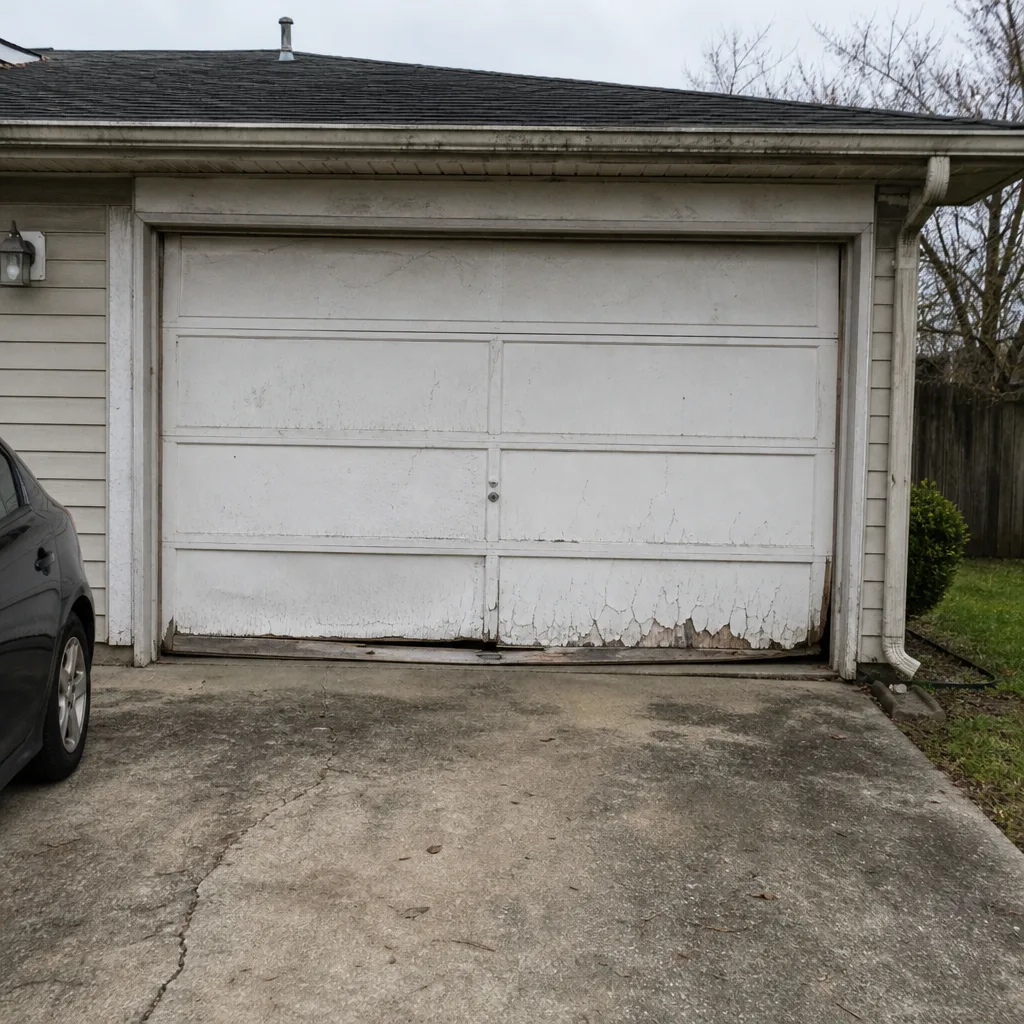 Before
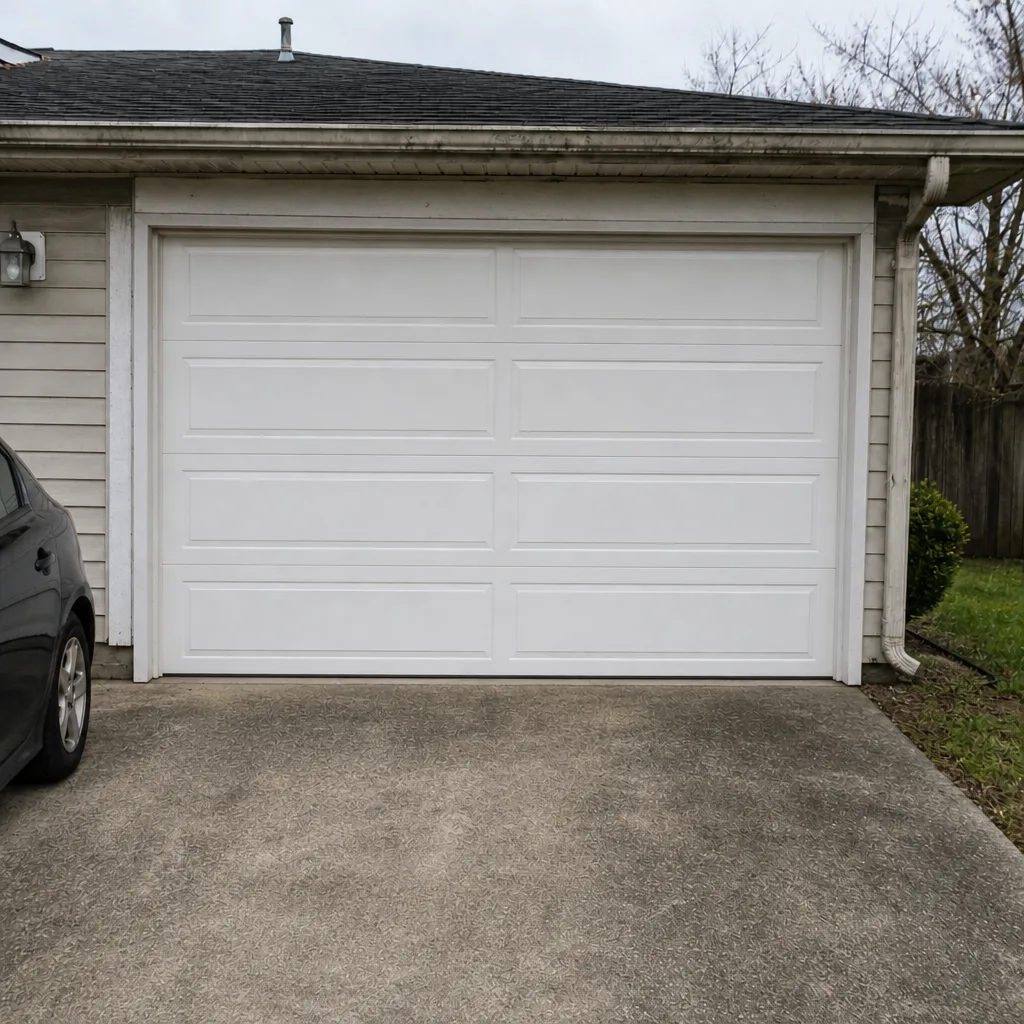 After
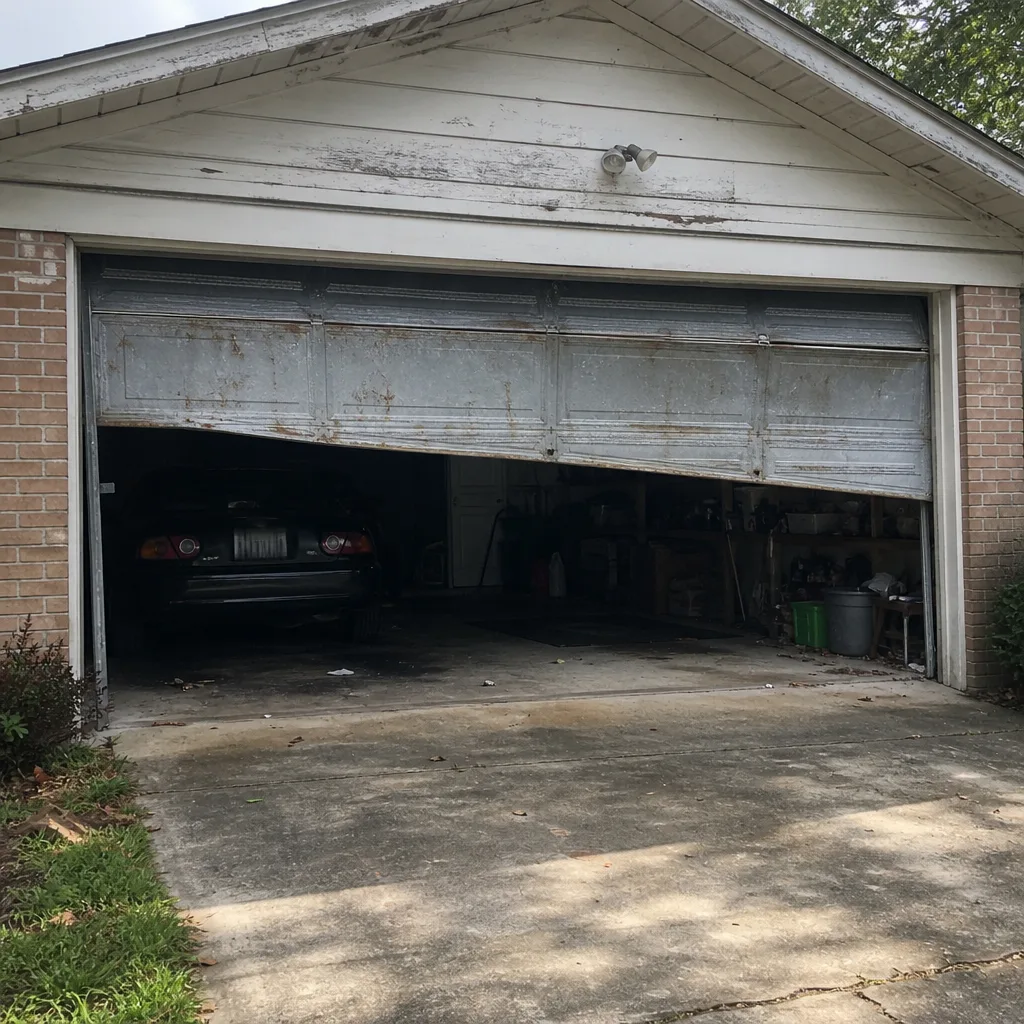 Before
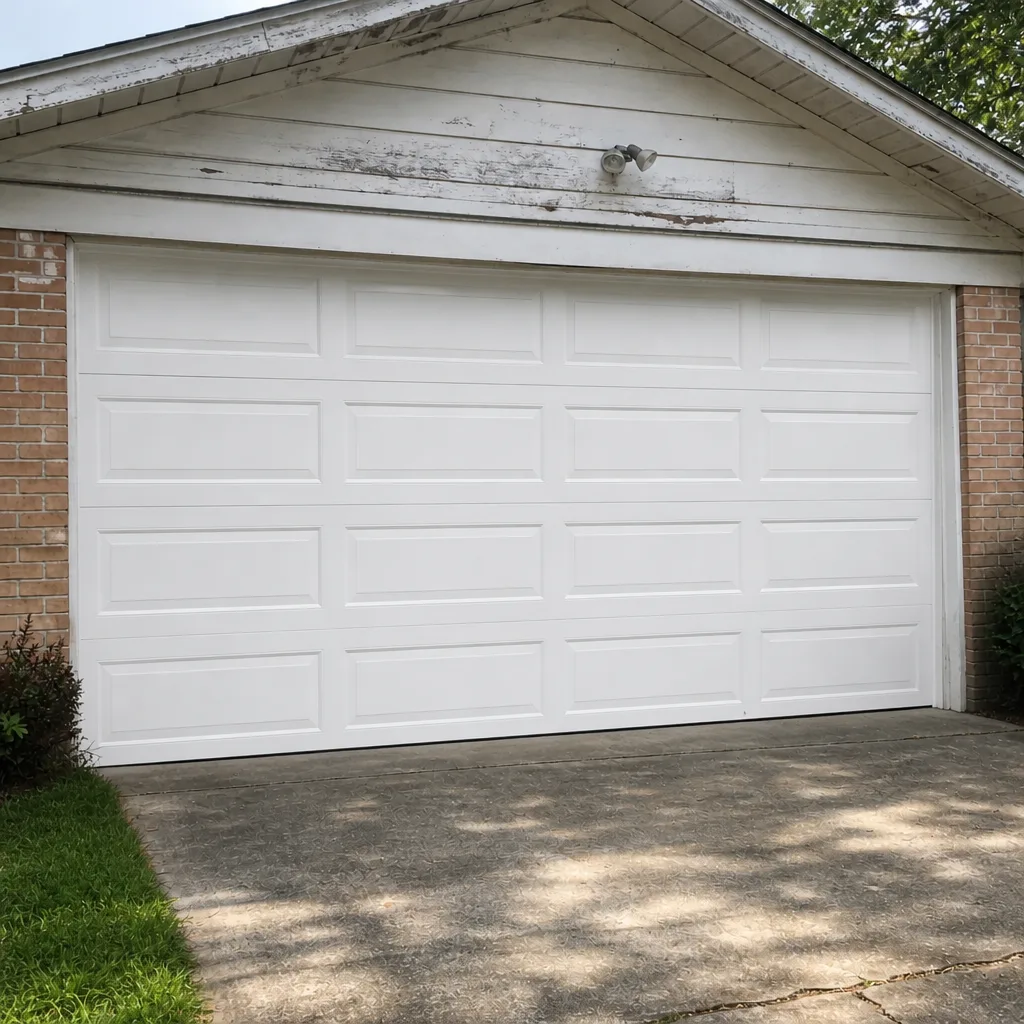 After
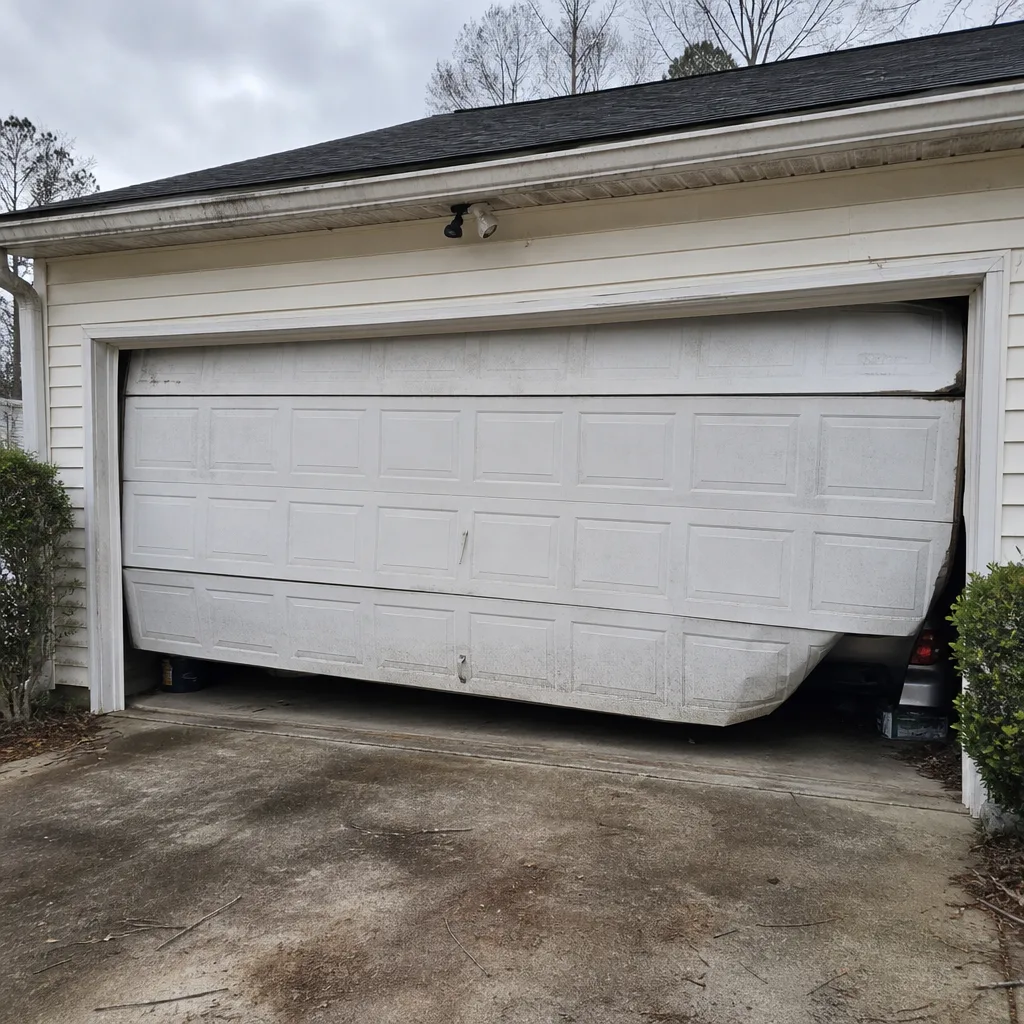 Before
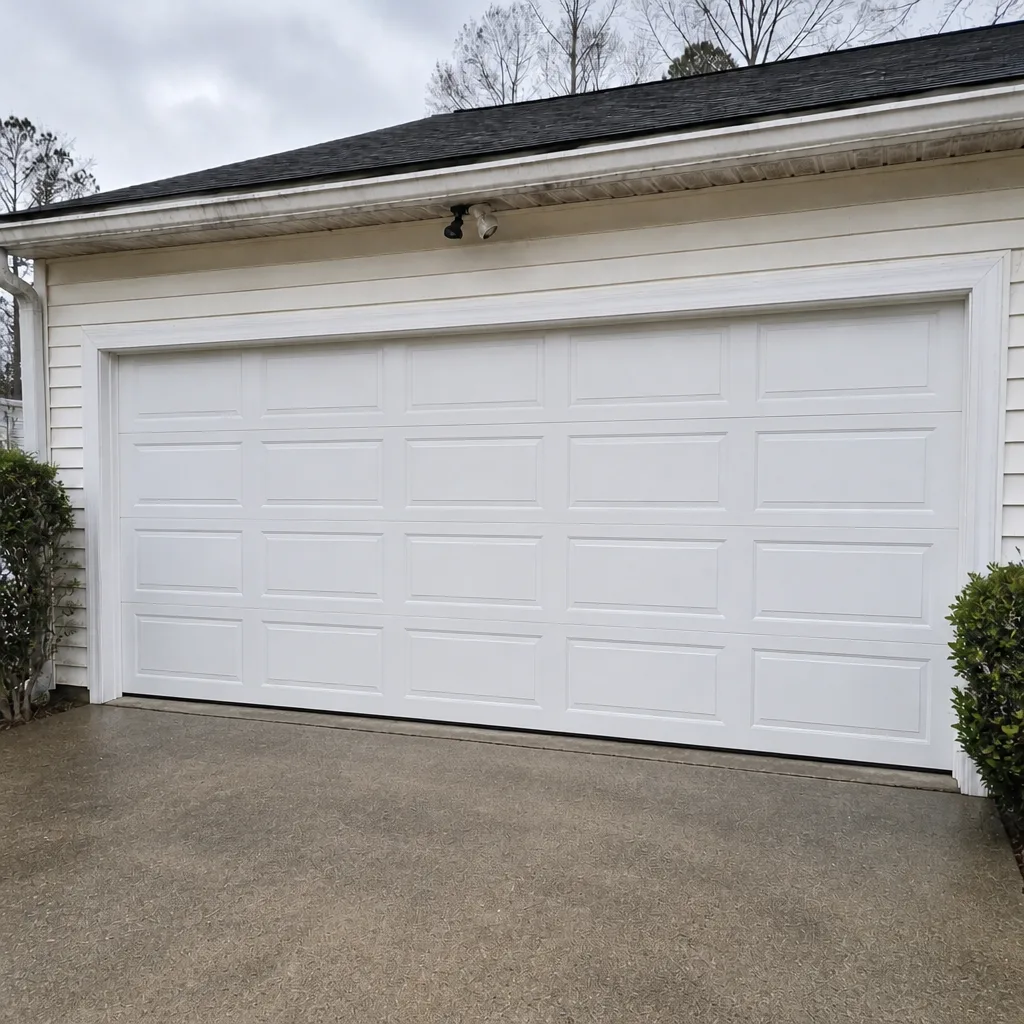 After
When to Call a Professional
Some checks you can do yourself: the label, the model numbers, the manual release in daylight. But some conditions need a trained eye immediately. Call a professional if the door won’t stay on the tracks, if you can see or suspect a damaged cable or spring, if the door won’t balance when lifted by hand, or if your opener won’t disengage or re-engage cleanly. Springs and cables are under high tension and can injure if handled incorrectly. If the door didn’t operate correctly before the storm, don’t wait for the next one to fix it. Rainier Garage Door Repair offers free estimates in North Charleston, and we can tell you clearly whether a repair, a brace, or a replacement is the right call. Call (888) 655-8807 for a free estimate. Our technicians have up to 13 years of experience with all eight brands we service, and the price is agreed in writing before any work starts.
Frequently Asked Questions
A brace kit helps, but it doesn’t turn a standard door into a hurricane-rated door. It stiffens the door and connects it more firmly to the tracks or wall, which reduces the chance of bowing and losing the track under wind load. Whether it’s the right solution depends on your door’s design and condition. Some doors are good candidates; some are not. Call (888) 655-8807 and we’ll tell you which yours is.
Use the manual release cord hanging from the opener’s trolley on the rail, and pull straight down to disengage. Then test the door by hand before operating it. If the door feels heavy or binds, stop and call a professional. We answer 24/7. Call (888) 655-8807 for an exact quote – estimates are free.
It depends on your opener’s model number, not the brand. Some LiftMaster, Chamberlain, and Genie models include built-in backup, and some can accept a backup accessory, but not every model can. Find the model number on the motor housing and ask a professional to confirm what your unit supports. Call (888) 655-8807 for a free walk-through.
Check the tracks for straightness, the cables for visible damage (from a distance, never touching them), the foundation and floor for settling, the bottom seal for water, and the opener’s rail and trolley. Then test the door by hand before running it. If anything looks wrong, don’t operate it. Call (888) 655-8807 for a professional inspection – estimates are free.
Coverage depends on your policy and how the damage happened, which is a question for your insurer, not us. What we can do is document the damage and give you a written estimate for the repair. Call (888) 655-8807 for a free estimate, and we can also work with your insurer on the paperwork.
Same-day service is often possible for storm-related repairs, and fast dispatch runs from 7am to 7pm. Call (888) 655-8807 and we’ll confirm what’s available for your address. We answer 24/7, so a call outside dispatch hours is booked into the next opening, Sunday through Friday, 7am to 7pm.
The Bottom Line
The garage door is the biggest opening in your home and the most likely place for a storm to compromise your building envelope. In North Charleston, that’s not abstract; it’s a seasonal reality. The most useful things you can do are straightforward: know your door’s rating, test your manual release in daylight, confirm whether your opener has battery backup, and inspect the door carefully after any storm before running it. A brace helps some doors and not others, and a rated door installed on standard tracks doesn’t give you what you think it does. If you’re not sure what your setup needs, ask before the season rather than during. Our team at Rainier Garage Door Repair works on all eight brands listed here, and one call covers the door and the opener. Call (888) 655-8807 for a free estimate. We answer 24/7. Fast dispatch from 7am to 7pm, Sunday through Friday, and the written estimate sets the final price before any work starts.
Written by the team at Rainier Garage Door Repair.