
Last updated November 15, 2026
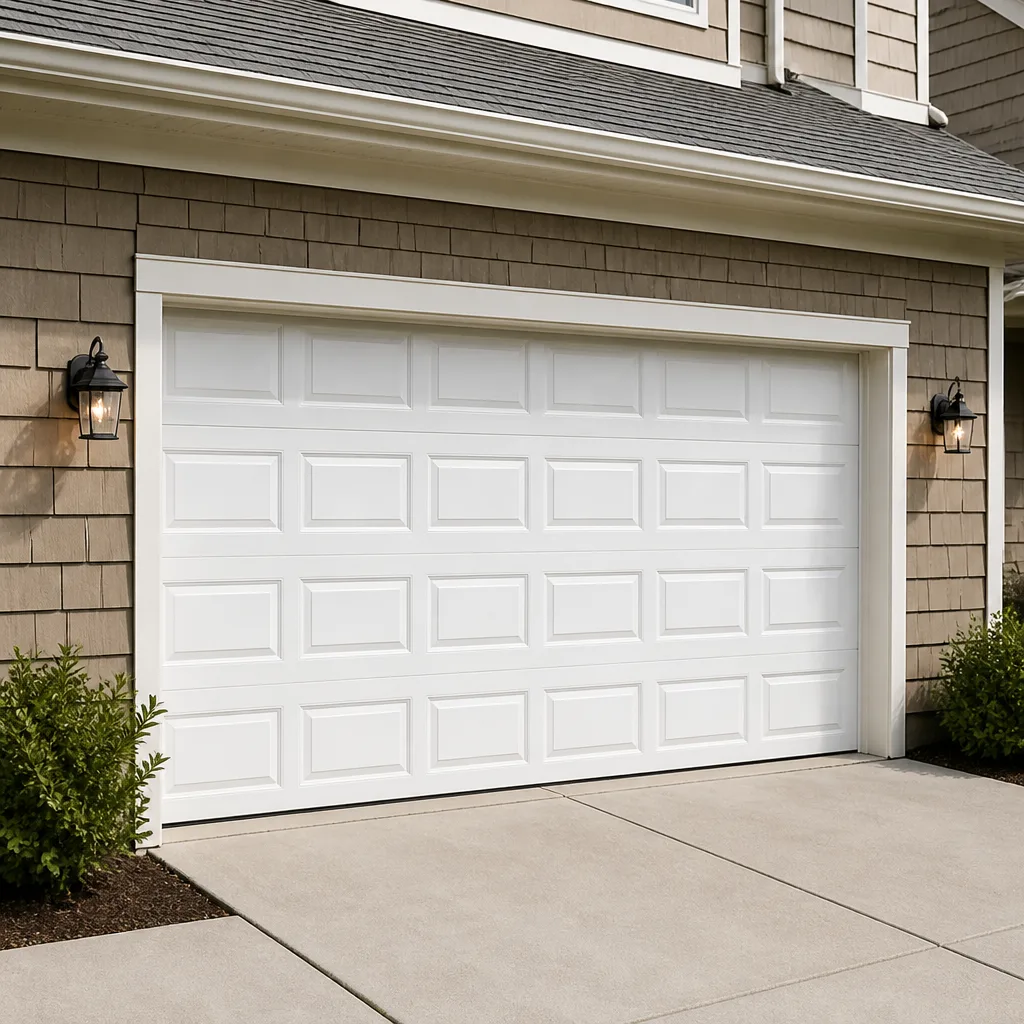 Raised-panel steel
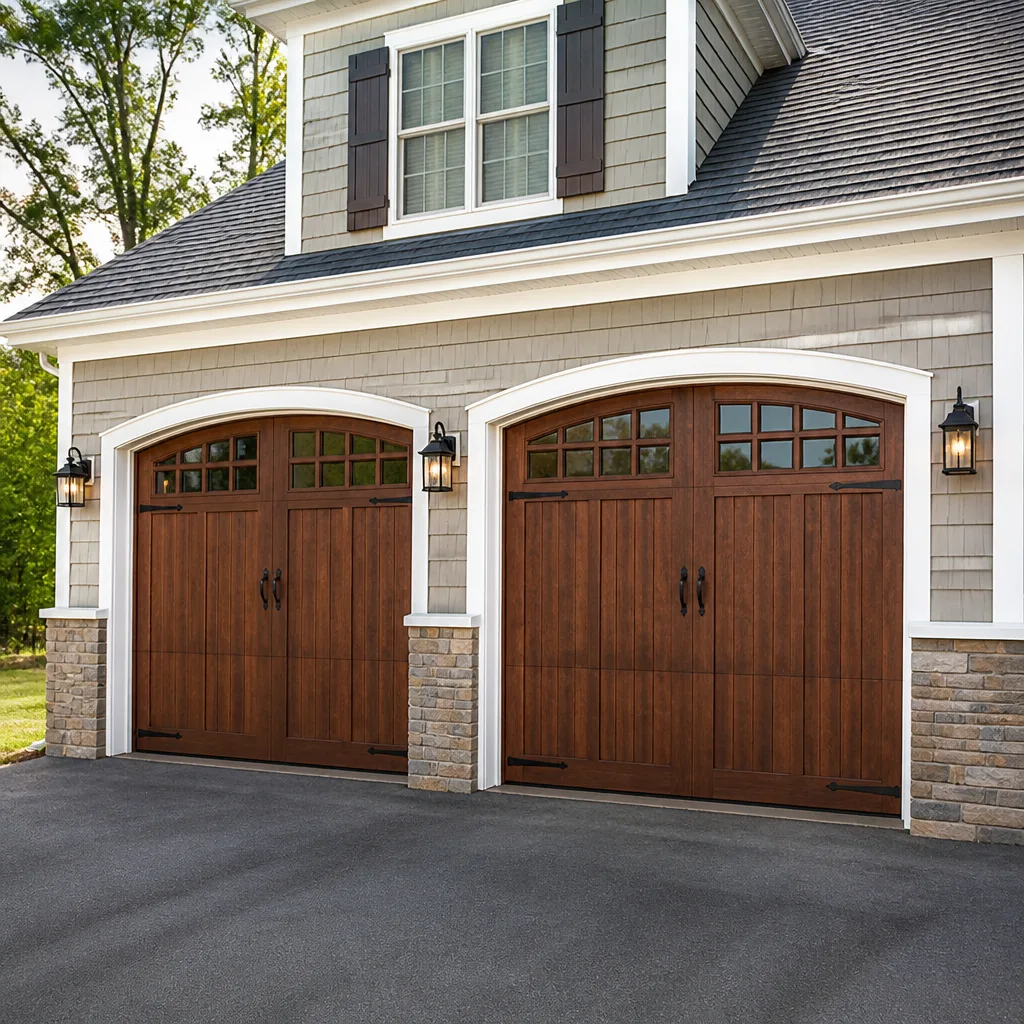 Carriage house
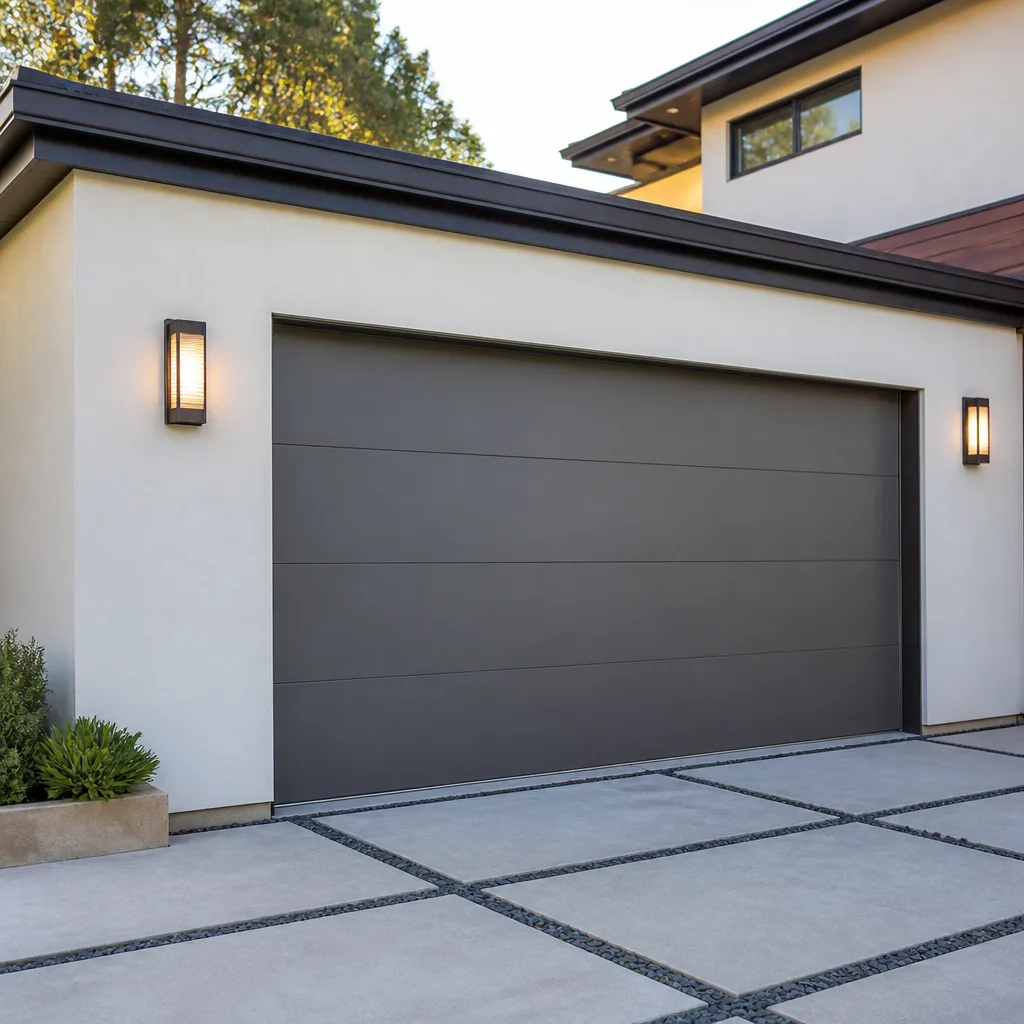 Modern flush
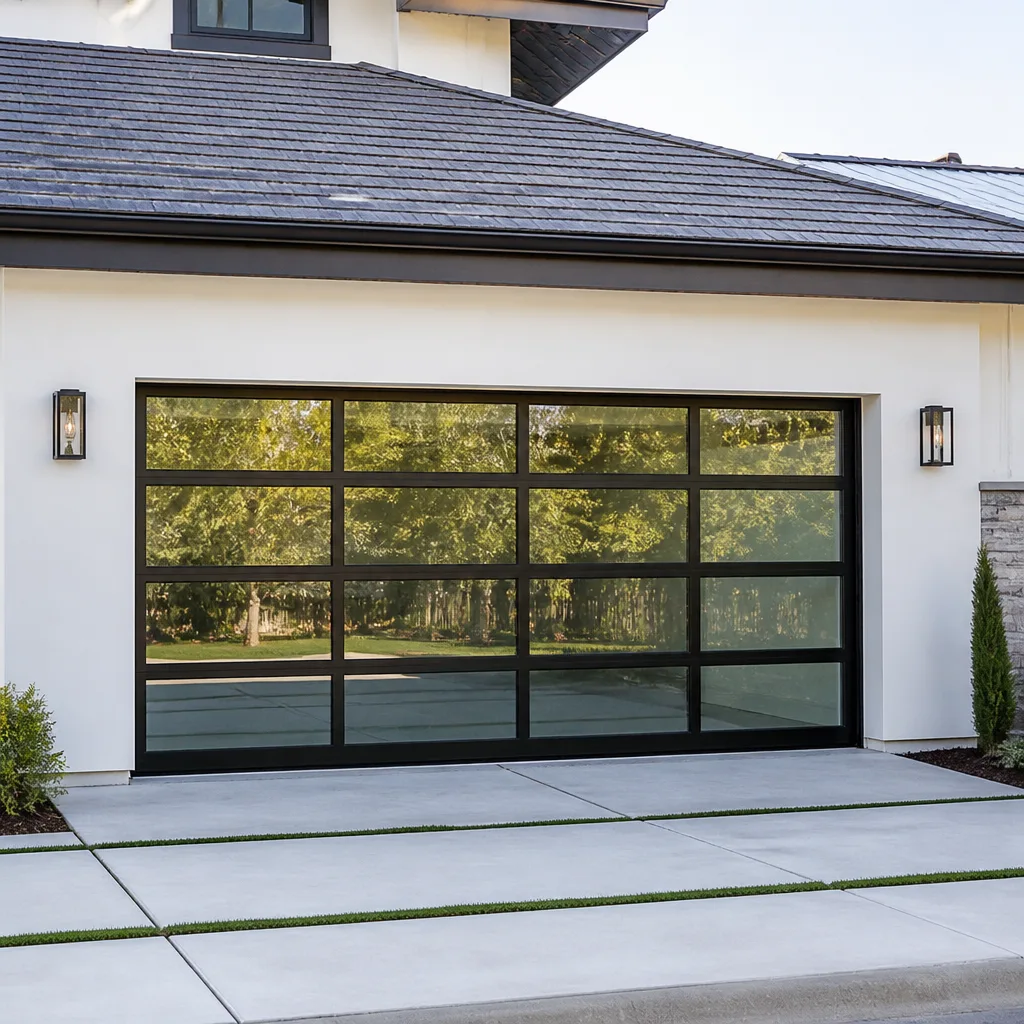 Full-view glass
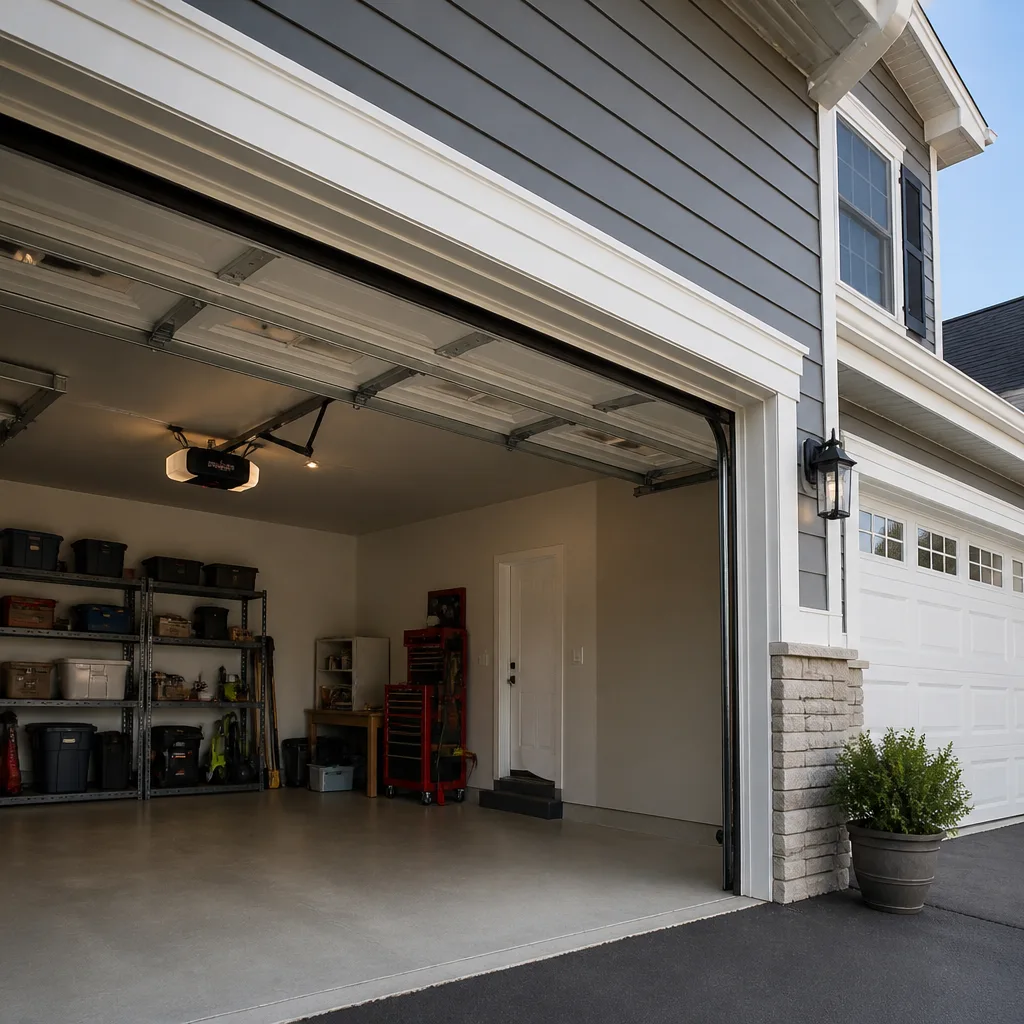 LiftMaster openers
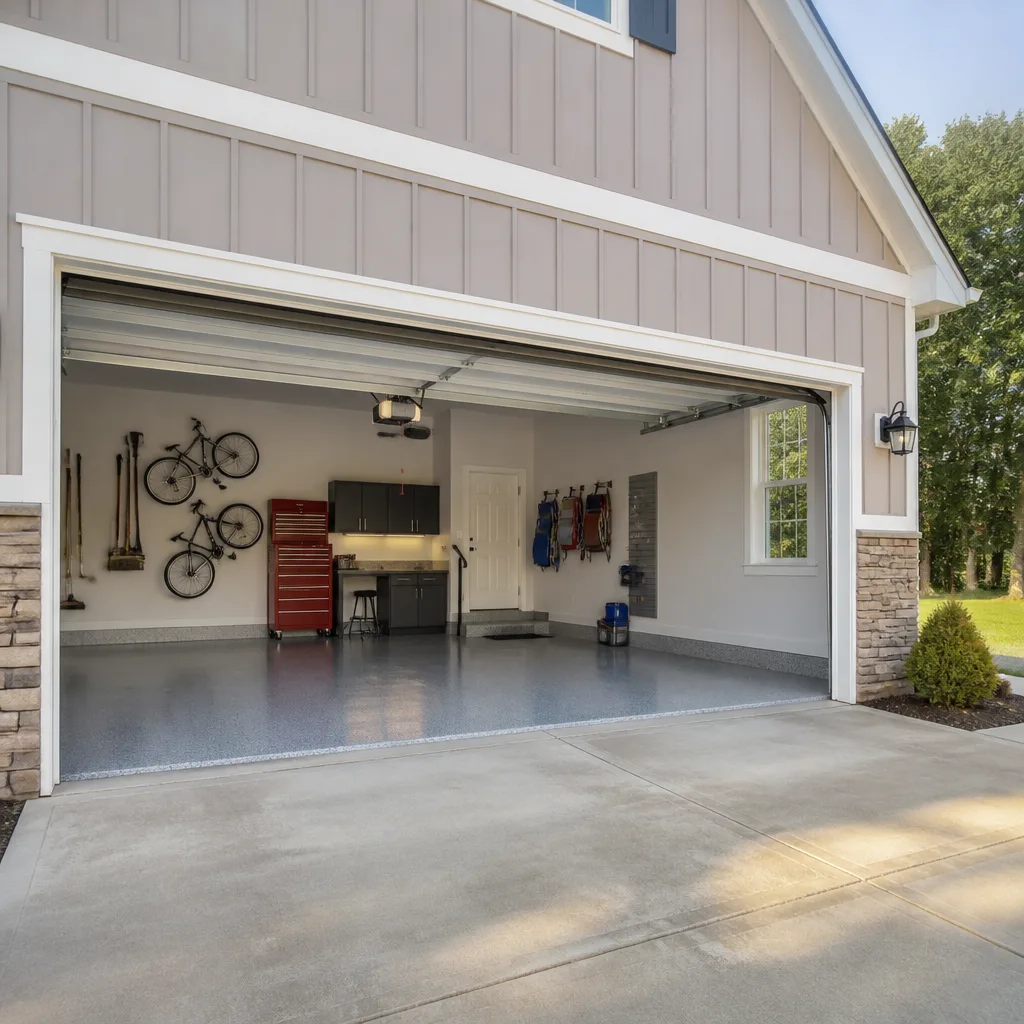 Chamberlain openers
Full 25-point door and opener safety check with every visit - springs, cables, rollers, tracks, and your LiftMaster or Chamberlain opener included
You get a price before we start. It does not change when the pro arrives.
Get your free estimateGarage Door Permits, Codes & Inspections in North Charleston, SC: What You Need to Know
Here’s the part most homeowners learn too late: a broken spring or a dead opener doesn’t usually need a permit, but a full door replacement usually does. And in a wind-borne debris region like the Lowcountry, an unpermitted door can surface as an open material defect on a resale inspection. That’s not a scare tactic, it’s just how building departments and buyers look at structural openings on a home. This guide walks through when you need a permit in North Charleston, which jurisdiction signs off on your address, how the inspection actually works, and what a legitimate contractor should be handling for you versus what they might quietly skip.
Quick Answer
In North Charleston, SC, replacing a garage door unit generally requires a building permit from the City of North Charleston Building Inspection Division, while unincorporated Charleston County addresses go through Charleston County. Repairs to springs, cables, tracks, and openers are treated as maintenance and usually don’t need a permit. The door itself must meet South Carolina wind-borne debris region standards, which inspectors verify against the AAMA/WDMA/CSA 101 standard. Permit fees are set by the jurisdiction, and a contractor who handles them for you is doing the job right.
Styles & brands we work with
- Raised-panel steel
- Carriage house
- Modern flush
- Full-view glass
- LiftMaster openers
- Chamberlain openers
Table of Contents
- Which Jurisdiction Signs Off on Your North Charleston Address?
- Repair vs. Replacement: What Actually Triggers a Permit
- Wind-Borne Debris Region Rules and Door Ratings
- The AAMA/WDMA/CSA 101 Standard: What Inspectors Look For
- The Permit Process, Step by Step
- HOA Overlays in Wescott Plantation and Carnes Crossroads
- What the Final Inspection Actually Checks
- What a Legitimate Contractor Includes vs. What Gets Skipped
Which Jurisdiction Signs Off on Your North Charleston Address?
North Charleston is one of those cities where the answer depends entirely on your street address, not your mailing address. The City of North Charleston has its own Building Inspection Division, and if your home sits inside city limits, that’s who reviews and issues your permit. If you’re in an unincorporated pocket with a North Charleston mailing address, Charleston County handles it instead.
Here’s the distinction that trips people up: a mailing address that says “North Charleston, SC” doesn’t guarantee you’re in the city. Plenty of homes on the edges of the metro use North Charleston for mail but sit in county jurisdiction. Before you or your contractor pull anything, confirm which one applies. The easiest way is to call the City of North Charleston Building Inspection Division directly and give them the parcel number from your property tax record. They’ll tell you in a minute whether it’s their permit or the county’s.
Why it matters: filing with the wrong jurisdiction gets your application bounced, delays the job, and can leave you with an inspection record that doesn’t match the work. In our experience, contractors who do this regularly know the boundaries by neighborhood and will confirm jurisdiction before quoting. If a company can’t tell you which office handles your address, that’s a signal.
For reference, most of the residential neighborhoods inside the city, including the areas around Park Circle, Dorchester Road, and Remount Road, fall under city jurisdiction. Newer master-planned communities on the outer edges sometimes sit in county jurisdiction even when their residents say they live in North Charleston. When in doubt, check the parcel, not the postmark.
Repair vs. Replacement: What Actually Triggers a Permit
The single biggest source of confusion is where repair ends and replacement begins. In general terms, work that restores your existing door to function doesn’t need a permit, and work that substitutes a new door unit does. Here’s the practical breakdown.
Repairs that typically don’t need a permit:
- Replacing torsion or extension springs
- Swapping out cables, drums, or rollers
- Replacing hinges, brackets, or bottom seals
- Adjusting or replacing tracks
- Installing, replacing, or repairing a garage door opener
- Repairing or replacing panels on the existing door unit
Work that typically does need a permit:
- Replacing the entire door unit and its frame
- Changing the door size, which affects the rough opening
- Switching from a manual door to a new door with opaque or glazed sections that change the wind-load profile
- Structural work on the opening itself, like header changes or new framing
This distinction is why a simple spring repair in a home off Ashley Phosphate Road can be a same-day job, while a full door replacement in a newer community out past the airport involves drawings, product documentation, and a scheduled inspection. Springs, cables, and openers are the most common failures we hear about, and they’re also the parts that don’t carry the same code scrutiny. When you’re weighing whether to repair, our team can walk you through it directly on our garage door repair page.
The word “typically” is doing a lot of work there. Local amendments and inspector judgment vary, so the safe move is to confirm with whichever jurisdiction covers your parcel before work begins. A quick call costs nothing and prevents a much bigger headache later.
Wind-Borne Debris Region Rules and Door Ratings
South Carolina designates portions of the state as wind-borne debris regions, and the Lowcountry falls under that designation. That’s a policy based on how close a location is to the coast and how strong the design wind speeds are. What it means practically is that exterior openings on a home, including garage doors, have to meet specific impact and pressure standards when they’re replaced.
Garage doors are the biggest opening on most houses. A single-car door is roughly the equivalent area of a small front window, and a two-car door is much larger than that. Wind pressure across that surface area is significant, which is why the code treats the door as a structural element when it’s new.
Under the current requirements, replacement doors in a wind-borne debris region need to carry a label or documentation showing they meet the applicable standard for the design pressure of the site. That documentation is what the inspector will look for. It’s not enough that the door “looks sturdy.” It needs the paperwork.
Homeowners sometimes ask us whether they can install a standard-builder-grade door from a big-box store and skip the paperwork. In our experience, that’s exactly the scenario that creates trouble at resale, because the buyer’s inspector notes the door has no wind-load documentation and questions whether a permit was ever pulled. The door might function perfectly and still be flagged.
If you’re replacing a door in North Charleston and want to know what documentation the installer should be giving you, the answer is: the manufacturer’s product approval report or a label showing compliance with the wind-load standard, plus a permit record if the jurisdiction required one. Those two pieces live together. When one is missing, the other usually is too.
The AAMA/WDMA/CSA 101 Standard: What Inspectors Look For
The standard inspectors reference for door performance in a wind-borne debris region is AAMA/WDMA/CSA 101. It’s a published standard that specifies how products like windows, skylights, and doors are rated for structural performance, water resistance, and air infiltration. For a garage door replacement, the relevant part is the structural rating: whether the product is tested and certified to handle the design pressure at your address.
What the inspector is checking, practically:
- The door label. Most rated doors carry a manufacturer’s label or permanent marking showing the certification and the design pressure rating.
- The product documentation. The manufacturer’s product approval or certification report should be on file with the permit application or provided at inspection.
- Installation per manufacturer’s instructions. The anchor type, spacing, and number of fasteners matter. An inspector may check that the door is anchored the way the manufacturer requires.
- Consistency with the permit drawings. The door installed should match the door described on the permit.
This is where the brand on the door matters in a practical way. Doors from Clopay, Amarr, Wayne Dalton, and similar manufacturers come with product approval documentation for their rated models. Cheaper doors sold without that documentation can be a problem to permit. When we handle replacements across the brands we service, the paperwork is part of the job, not an afterthought. If you want to speak with a team that works this through regularly, our garage door opener repair specialists also cover full door installation questions when you call for an estimate.
Keep in mind the standard applies to the whole assembly when tested, not just the panel. The anchor system, the track, and even the opener or reinforcing strut can be part of the certification. That’s why replacing a door but reusing older, mismatched hardware can complicate the inspection.
The Permit Process, Step by Step
The timeline varies by jurisdiction and by how complete the application is on day one. Here’s the general sequence homeowners should expect:
- Confirm jurisdiction. Call the City of North Charleston Building Inspection Division or Charleston County and give them your parcel number. They’ll tell you which office handles your address.
- Get the door specification. Choose the door model and gather the manufacturer’s product approval or certification showing the wind-load rating. The contractor usually does this.
- Submit the application. The permit application includes property information, the scope of work, and the product documentation. Drawings are usually not needed for a like-for-like replacement, but confirm with the jurisdiction.
- Pay the permit fee. Fees are set by the jurisdiction and vary based on the valuation of the work. Budget for it as a line item in your job; a legitimate contractor includes it in the quote.
- Receive the permit. Simple replacements often clear quickly, but the review window depends on office workload.
- Complete the installation. The door goes in per the approved documents.
- Schedule the final inspection. The inspector checks the door label, anchoring, and consistency with the permit. Once it passes, the permit is closed.
How long does the whole sequence take from start to finished door? In our experience, the permit review is usually the longest single step, and it’s outside the contractor’s control. This is one reason why a full door replacement is a scheduled job rather than a same-day repair. If you want a written quote that accounts for the permit and a realistic timeline, call (888) 655-8807. We answer 24/7.
One more note on cost: the permit fee itself is usually modest compared to the door, but the number varies by jurisdiction and valuation. Ask for it in writing so you know exactly what you’re paying and to whom.
HOA Overlays in Wescott Plantation and Carnes Crossroads
Deed restrictions add a second review layer on top of city or county permits in many North Charleston communities. Wescott Plantation and Carnes Crossroads are two examples of neighborhoods where the HOA architectural review committee expects to see the door style, color, and material before anything gets installed. The city permit and the HOA approval are separate processes with separate timelines.
What that usually involves:
- Submitting the door specifications, including color and window configuration, to the HOA’s architectural review committee
- Waiting for written approval before ordering
- Keeping the approval on file in case the HOA asks for it later
- Confirming with the HOA whether the existing unit was previously approved, since some boards have records going back many years
The trap here is that homeowners sometimes assume that if the HOA approves, no city permit is needed, or the reverse. Both apply. And if the door you install doesn’t match what the HOA approved, you can be required to change it, which is a much more expensive problem than getting the approval right the first time.
Some HOA review processes take a few weeks. That means the total timeline from first call to finished door in a community like Wescott Plantation can stretch longer than a standalone replacement. Budget for that. A contractor familiar with deed-restricted communities in North Charleston will usually ask about your HOA before quoting, because the door choice can be constrained by the architectural guidelines.
If you’re not sure whether your neighborhood has an architectural review requirement, check the closing documents from when you bought the home, or ask a neighbor. The HOA will know.
What the Final Inspection Actually Checks
The final inspection is where all the paperwork comes together. It’s a short visit in most cases, but it’s the moment that determines whether the permit closes cleanly.
Here’s what the inspector generally reviews:
- Door label and product documentation. The door must be labeled or documented as rated for the design pressure.
- Anchor type and spacing. The door should be fastened per the manufacturer’s instructions, especially at the jambs and header.
- Consistency with the permit. The door installed matches what was approved.
- Functionality. The door operates properly, opens and closes without binding, and the opener (if present) reverses on contact as designed.
- Clearance and safety features. If the door has an automatic opener, the photo-eye safety sensors should be in place and functioning.
If any of those fail, the inspector may issue a correction notice. Getting it fixed is a follow-up visit, which means another gap in the timeline. That’s why we prefer to walk our own installs through the same checklist before calling for inspection. It reduces the chance of a correction notice, and it means the homeowner isn’t sitting in limbo between two visits.
For homeowners who’ve inherited an unpermitted door on a house they recently bought, the fix is usually a retroactive permit and inspection. That often requires documentation the original installer didn’t leave behind. In those cases, the door may need to be re-documented or, in the worst case, replaced. That’s a real cost, and it’s the scenario this whole guide is designed to help you avoid.
Common Mistakes to Avoid
- Assuming your mailing address matches your jurisdiction. A “North Charleston, SC” envelope doesn’t tell you whether the city or the county handles your permit. Always check the parcel number, not the ZIP.
- Replacing a door without checking the wind-borne debris requirement. In the Lowcountry, a replacement door has to carry documentation for its design pressure. Choosing a door first and asking about code later can mean ordering twice.
- Skipping the permit because the door “looks fine.” Function isn’t the same as code compliance. An unpermitted door can surface on a resale inspection even if it works perfectly.
- Forgetting the HOA layer. In communities like Wescott Plantation and Carnes Crossroads, the architectural review is separate from the city permit. Both have to approve before the door goes in.
- Using hardware that doesn’t match the door’s certification. The AAMA/WDMA/CSA 101 rating applies to the assembly. Reusing mismatched anchors or struts can complicate inspection.
- Discarding the product approval documents. The manufacturer’s documentation is part of what the inspector wants to see, and it’s also valuable to keep for your records if you ever sell.
- Not asking who pays the permit fee. In most cases, the homeowner pays it, but it should be a clearly stated line item on the written quote. A vague quote is a warning sign.
See the difference
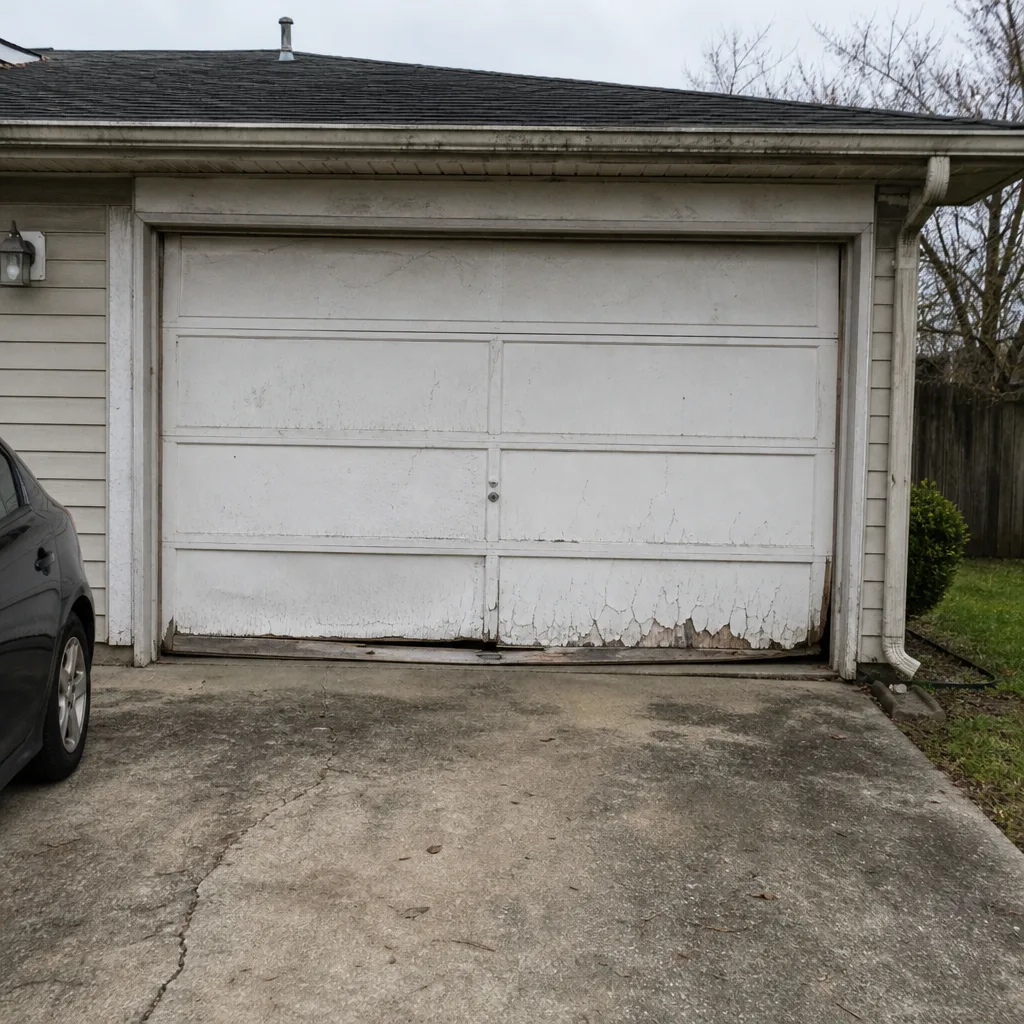 Before
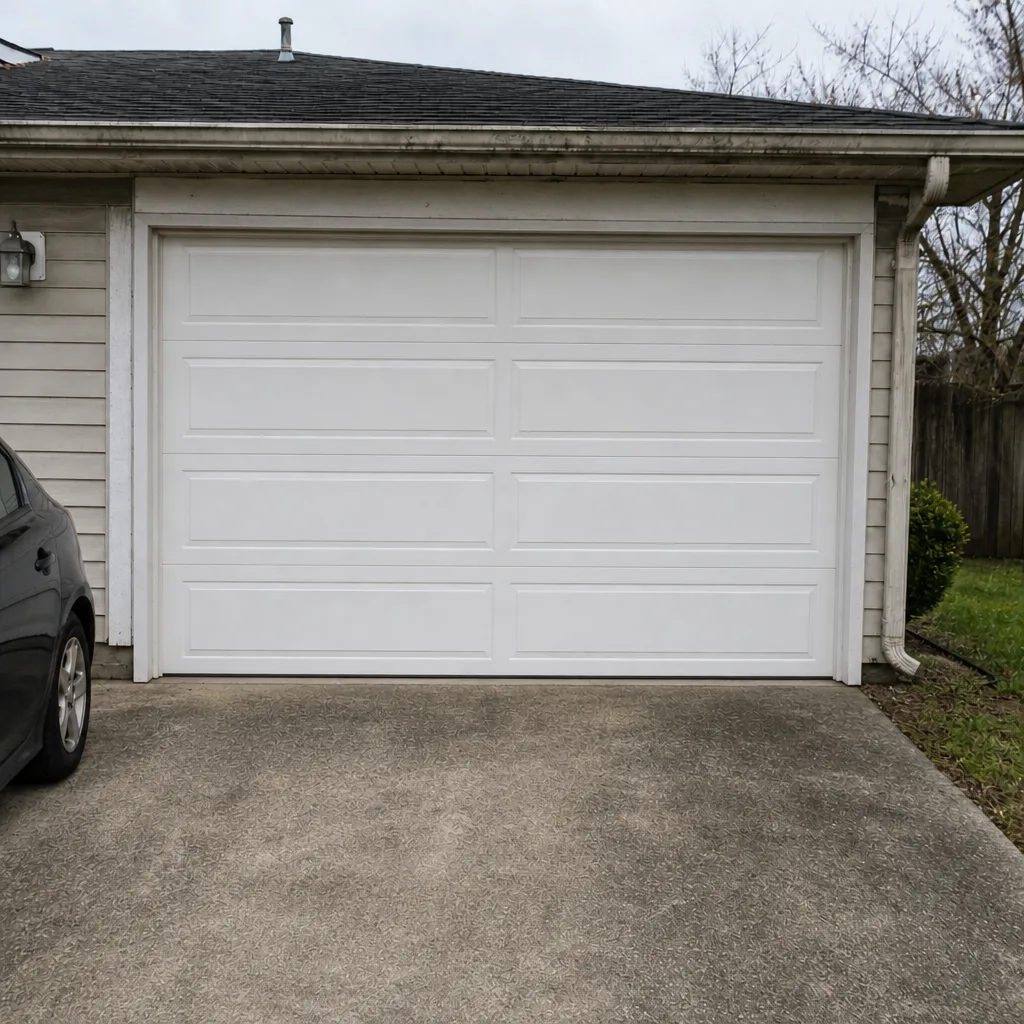 After
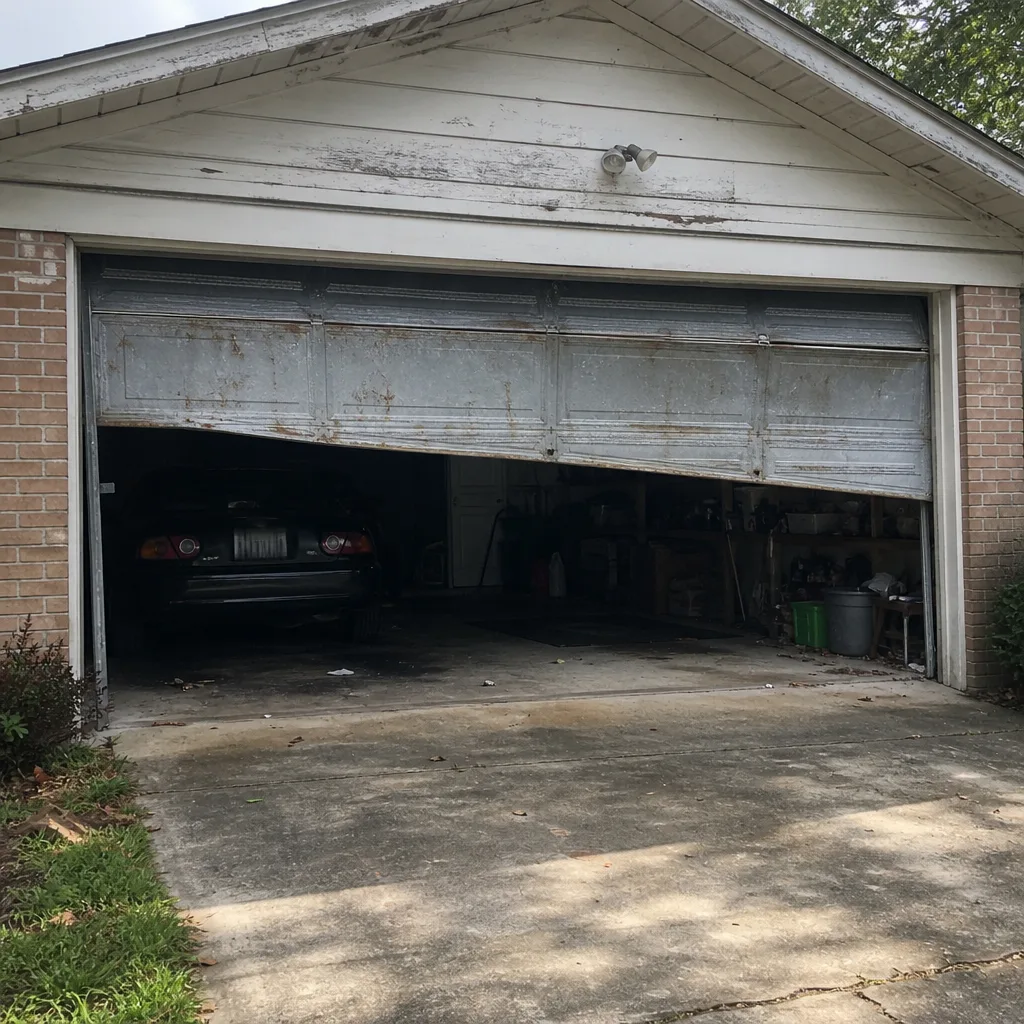 Before
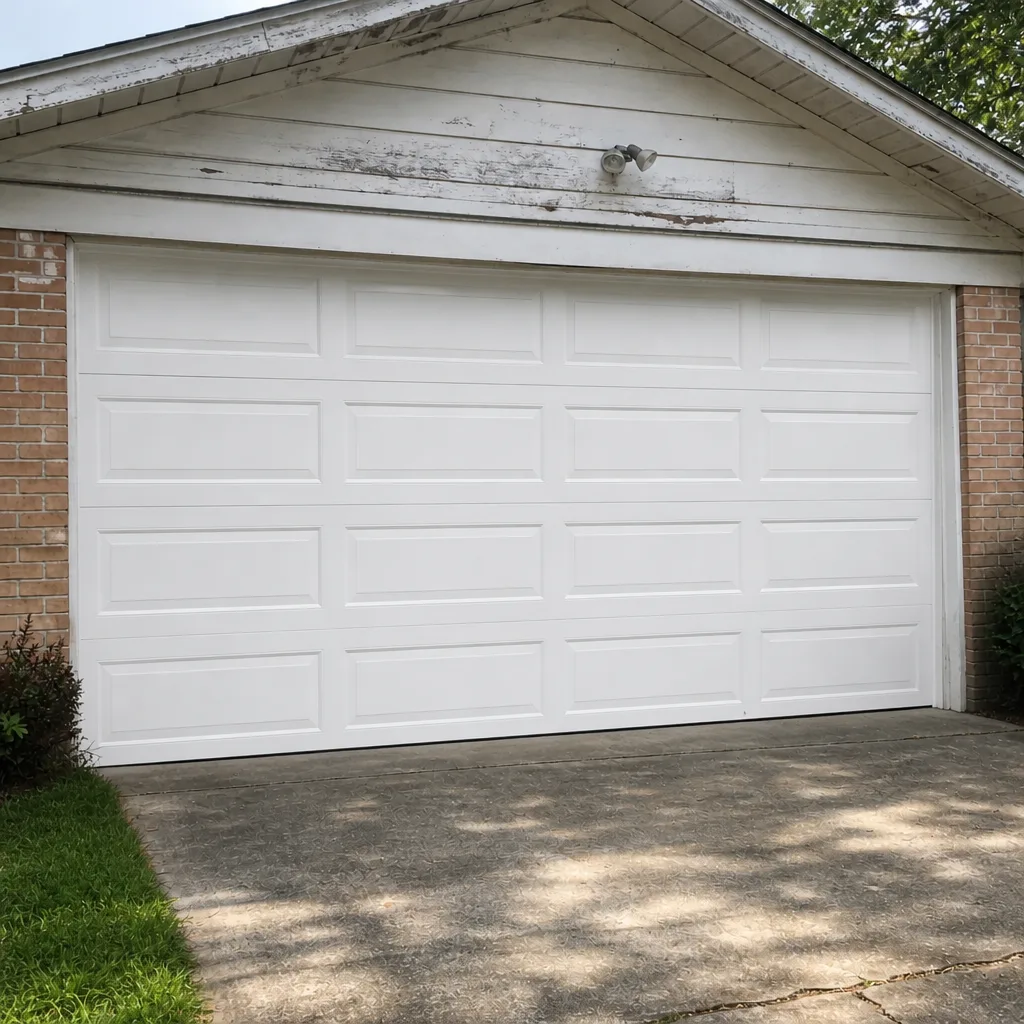 After
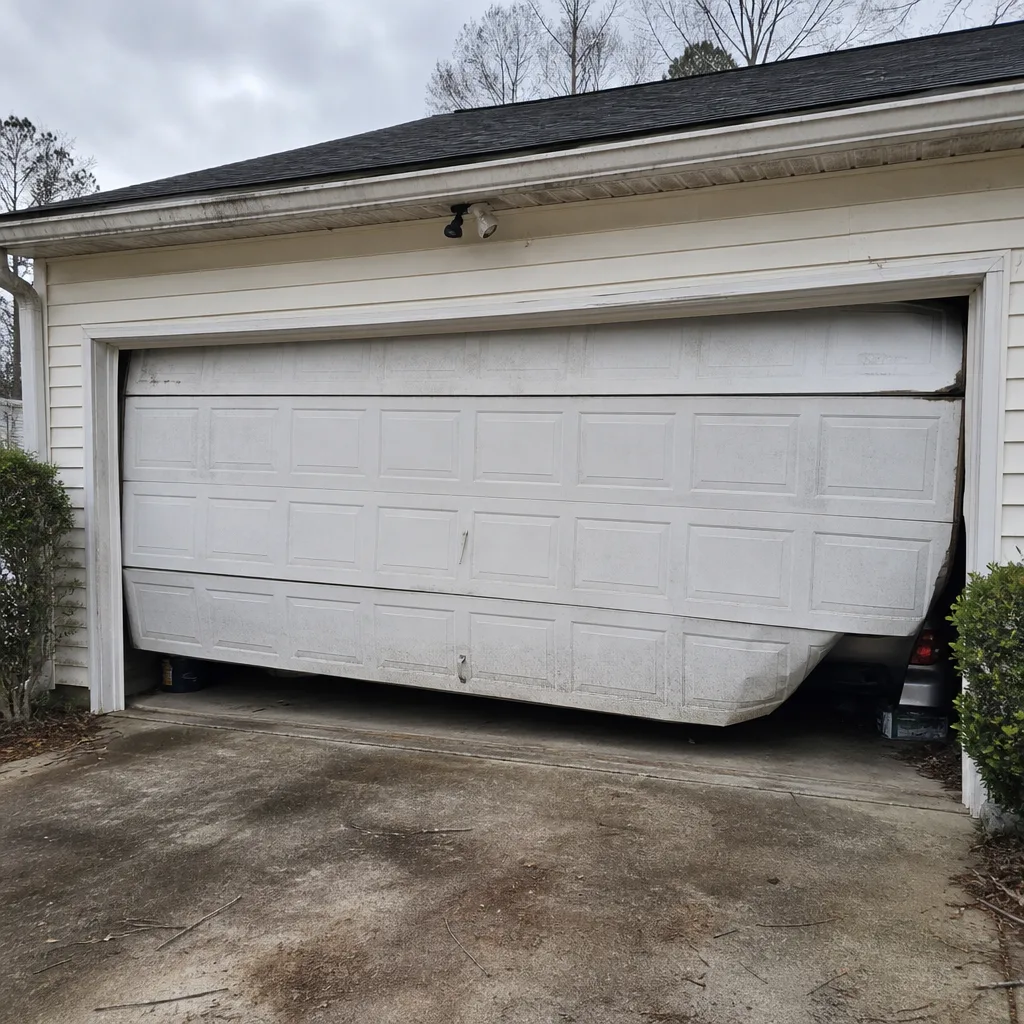 Before
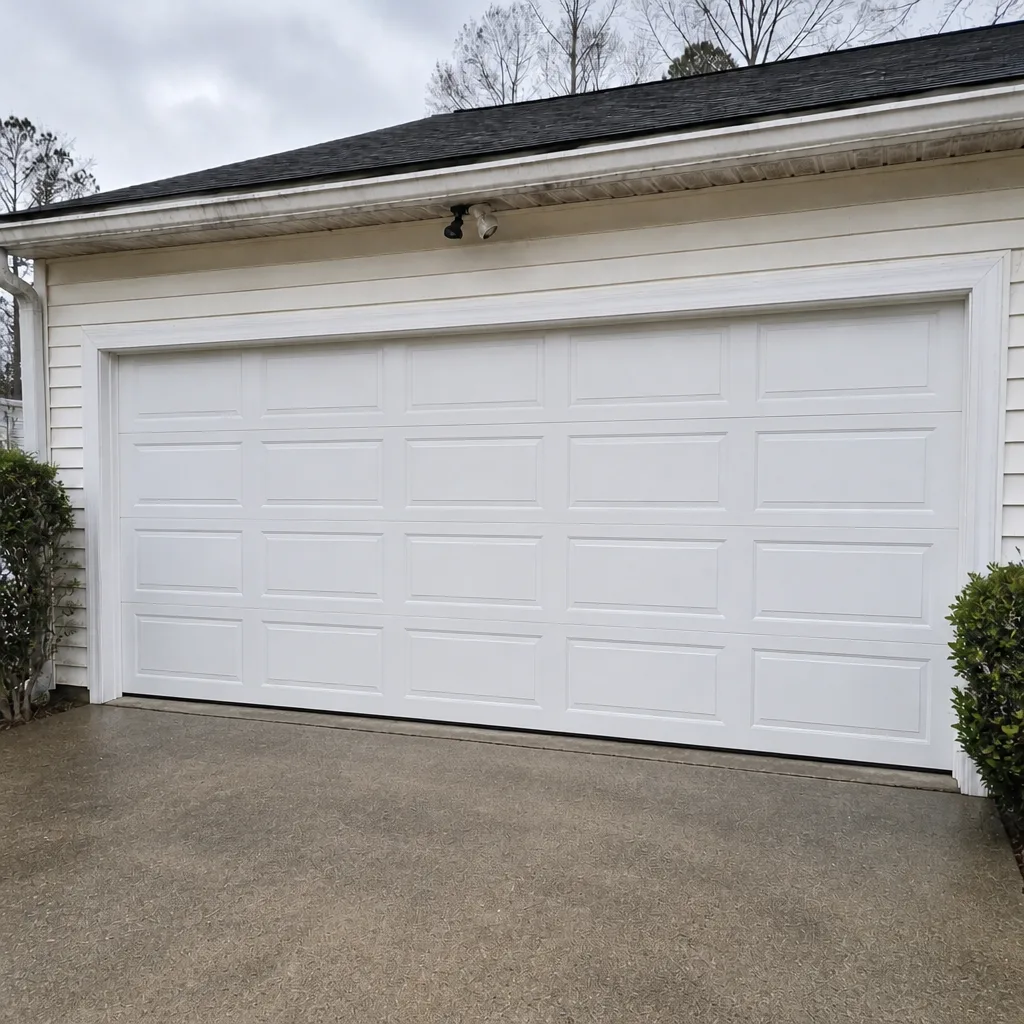 After
When to Call a Professional
Some jobs are safe to think through on your own. Some aren’t. Anything involving torsion springs, cables, or high-tension hardware is genuinely dangerous, and installing a rated door in a wind-borne debris region is not a project for a weekend and a ladder. The rated door has to be anchored per manufacturer instructions, and the paperwork has to line up with the inspection. That’s not the kind of work you want to describe to an inspector from memory.
Where we typically get called in: a spring has broken and the door won’t lift, an opener has stopped responding and the homeowner wants a diagnostic before deciding whether to repair or replace, or a replacement is on the table and the homeowner wants a written quote that accounts for the permit and a realistic timeline. Rainier Garage Door Repair offers free estimates in North Charleston. Call (888) 655-8807. We answer 24/7. Fast dispatch from 7am to 7pm, Sunday through Friday. Our technicians have up to 13 years of experience with the most common residential systems.
Frequently Asked Questions
Yes. Replacing a garage door unit in North Charleston generally requires a building permit, filed either with the City of North Charleston Building Inspection Division or Charleston County, depending on your parcel. Repairs to springs, cables, and openers usually don’t need one. Call (888) 655-8807 for a free estimate on a replacement that includes the permit.
No. Replacing springs, cables, rollers, or an opener is treated as maintenance and typically doesn’t require a permit. The permit question ties to the door unit itself, not the hardware. Spring work is dangerous, though, so it’s worth having a trained technician handle it. Call (888) 655-8807 for a free estimate.
Your parcel number determines it, not your mailing address. Homes inside city limits go through the City of North Charleston Building Inspection Division, and unincorporated addresses go through Charleston County. Give either office your parcel number and they’ll tell you which jurisdiction applies. Call (888) 655-8807 if you want a contractor’s help confirming it before you order a door.
A wind-borne debris region is a designated area where design wind speeds require exterior openings to meet specific impact and pressure standards. The Lowcountry, including North Charleston, falls under this designation. A replacement door has to carry documentation of its rating. Call (888) 655-8807 for a free estimate that includes the correct door for your address.
You can call it done, but the records will still show no permit on file. That becomes an issue at your own resale if a buyer’s inspector flags the door. The usual fix is a retroactive permit, and it may require documentation the original installer didn’t leave behind. Call (888) 655-8807 and we’ll walk through the options.
In many deed-restricted communities, yes. Neighborhoods like Wescott Plantation and Carnes Crossroads have architectural review processes separate from the city or county permit, and both have to clear before work begins. Check your closing documents or ask your HOA about their timeline. Call (888) 655-8807 if you want a free estimate on the door while you’re sorting out approvals.
The Bottom Line
A garage door replacement in North Charleston is a permitted job, and the permit is a feature, not a hassle. Confirm your jurisdiction by parcel, choose a door rated for the wind-borne debris region, gather the AAMA/WDMA/CSA 101 documentation, submit the application, and schedule the final inspection. If your community has a deed restriction, add the HOA review on top of the city or county process. Repairs to springs, cables, and openers usually don’t need any of that. The difference between a smooth sale and an open material defect on a resale inspection often comes down to a single permit record and a label on the door. For a written, free estimate that covers the whole job, call (888) 655-8807. At Rainier Garage Door Repair, we handle the door, the opener, and the paperwork as one job, and we work on the brands you already have, from Raynor and LiftMaster to Chamberlain and Genie. If you’re in the area and want local context in one place, our North Charleston page has it.
Written by the team at Rainier Garage Door Repair.