
Last updated November 15, 2026
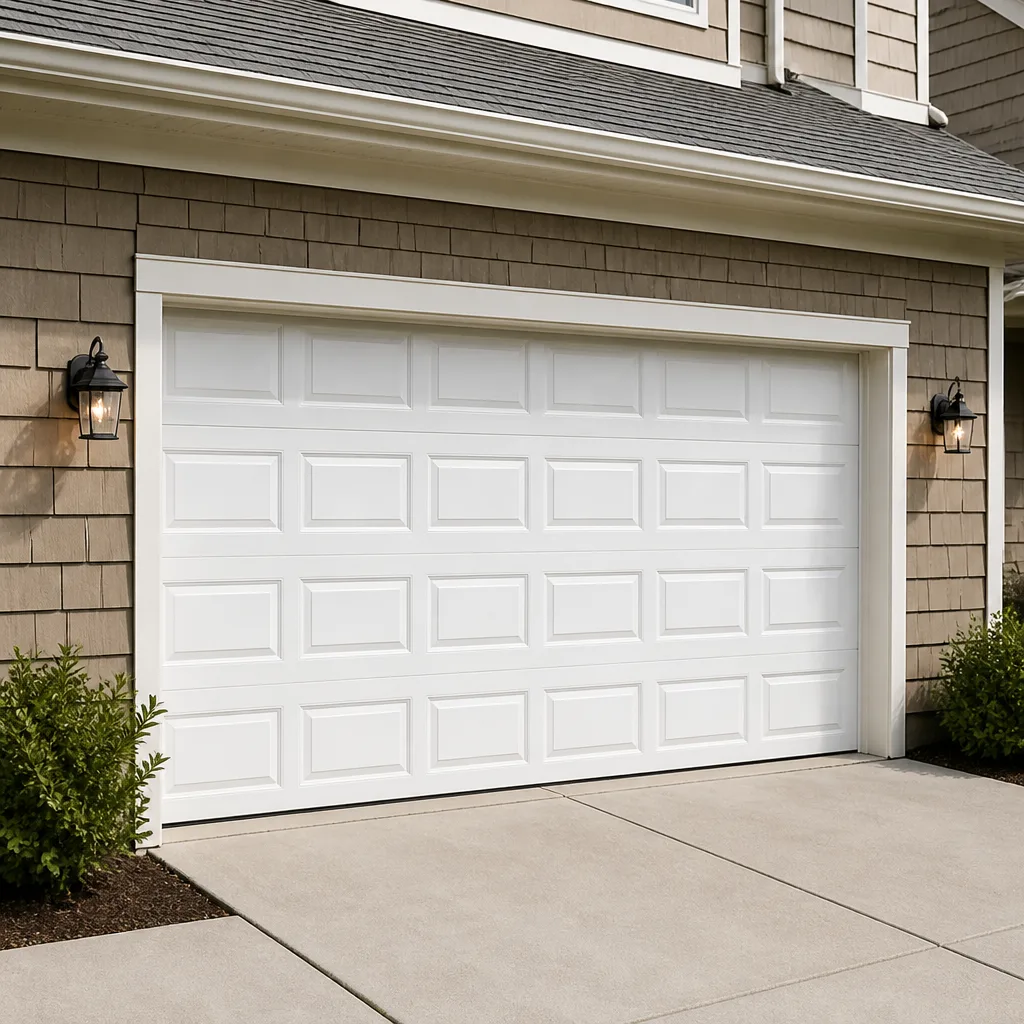 Raised-panel steel
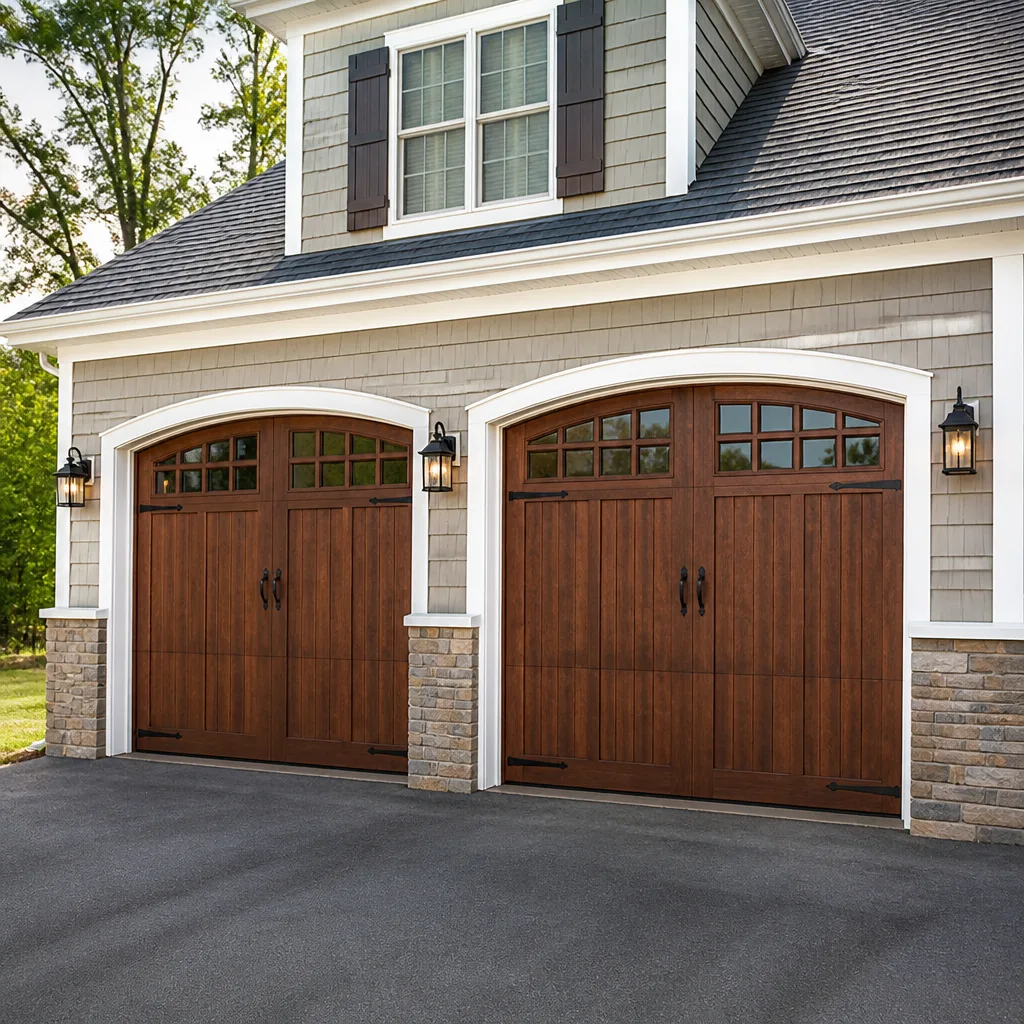 Carriage house
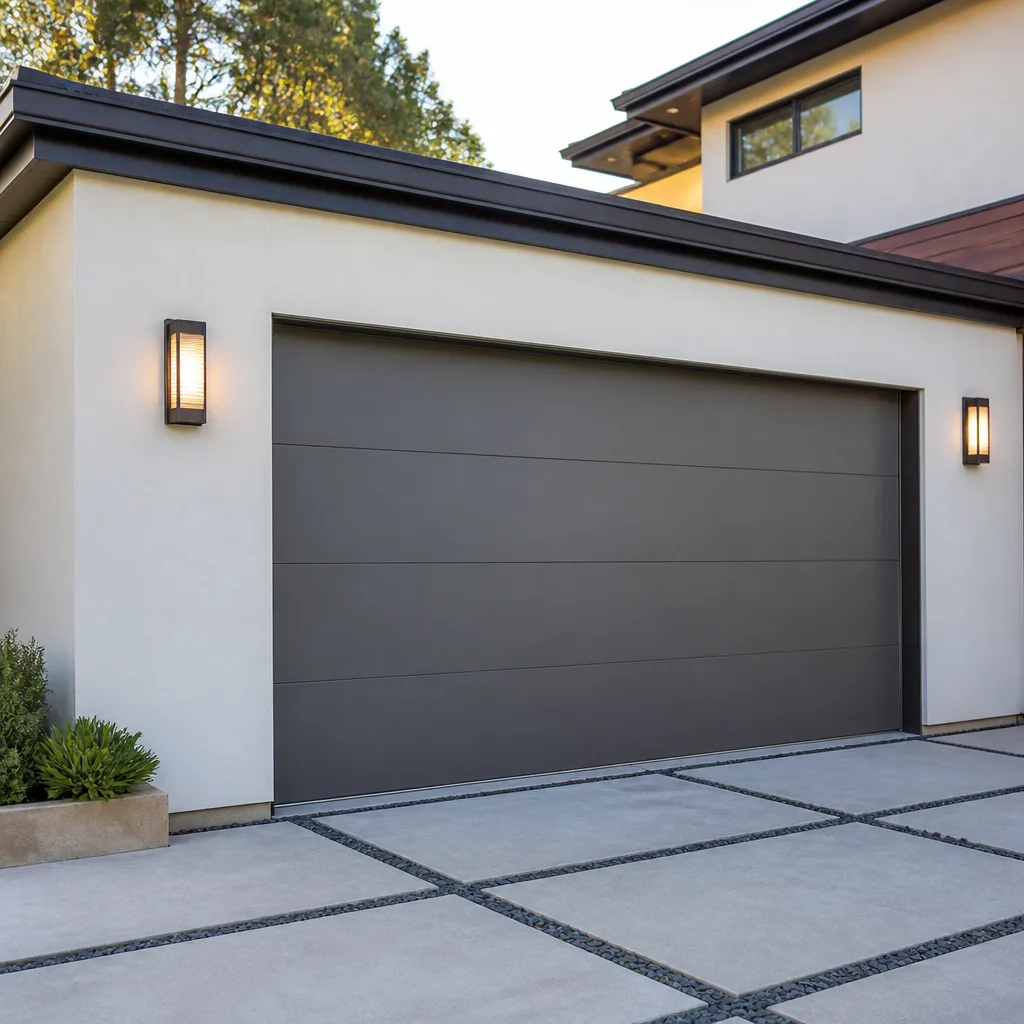 Modern flush
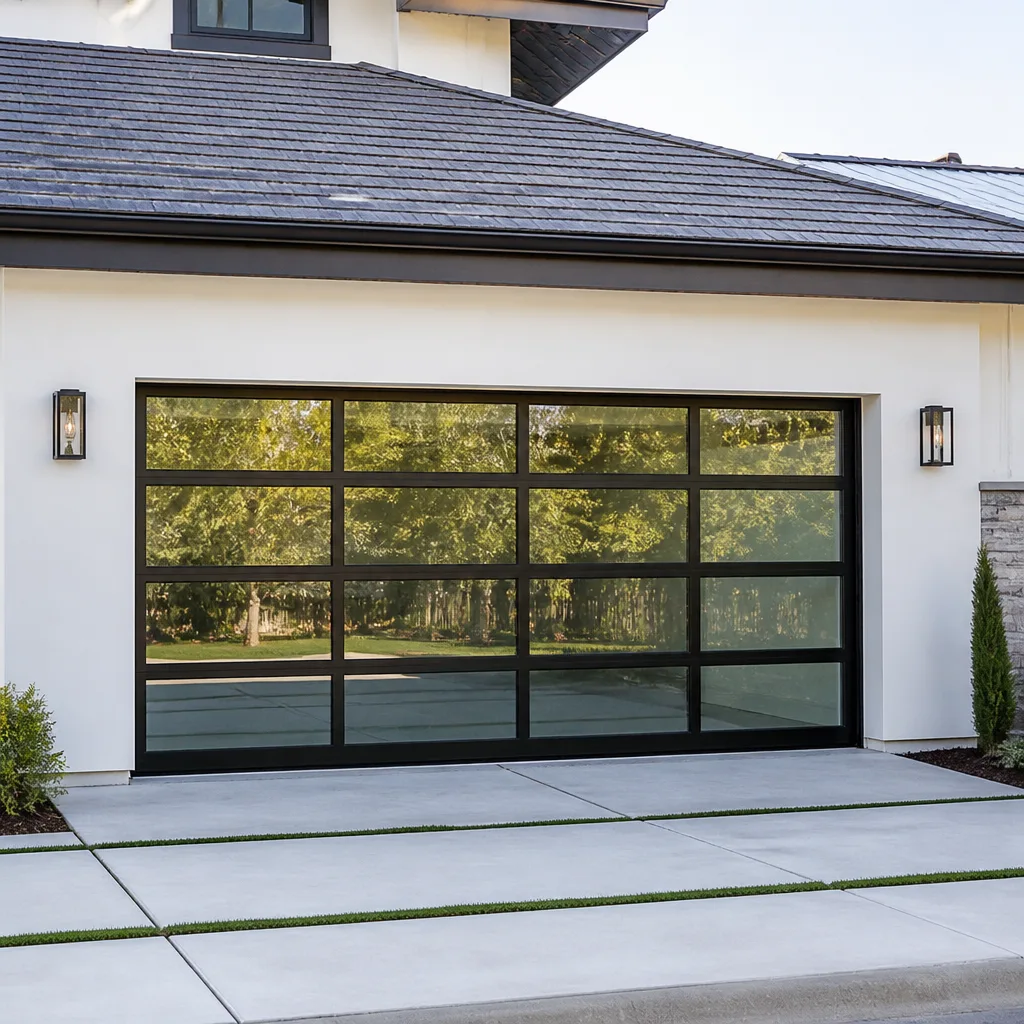 Full-view glass
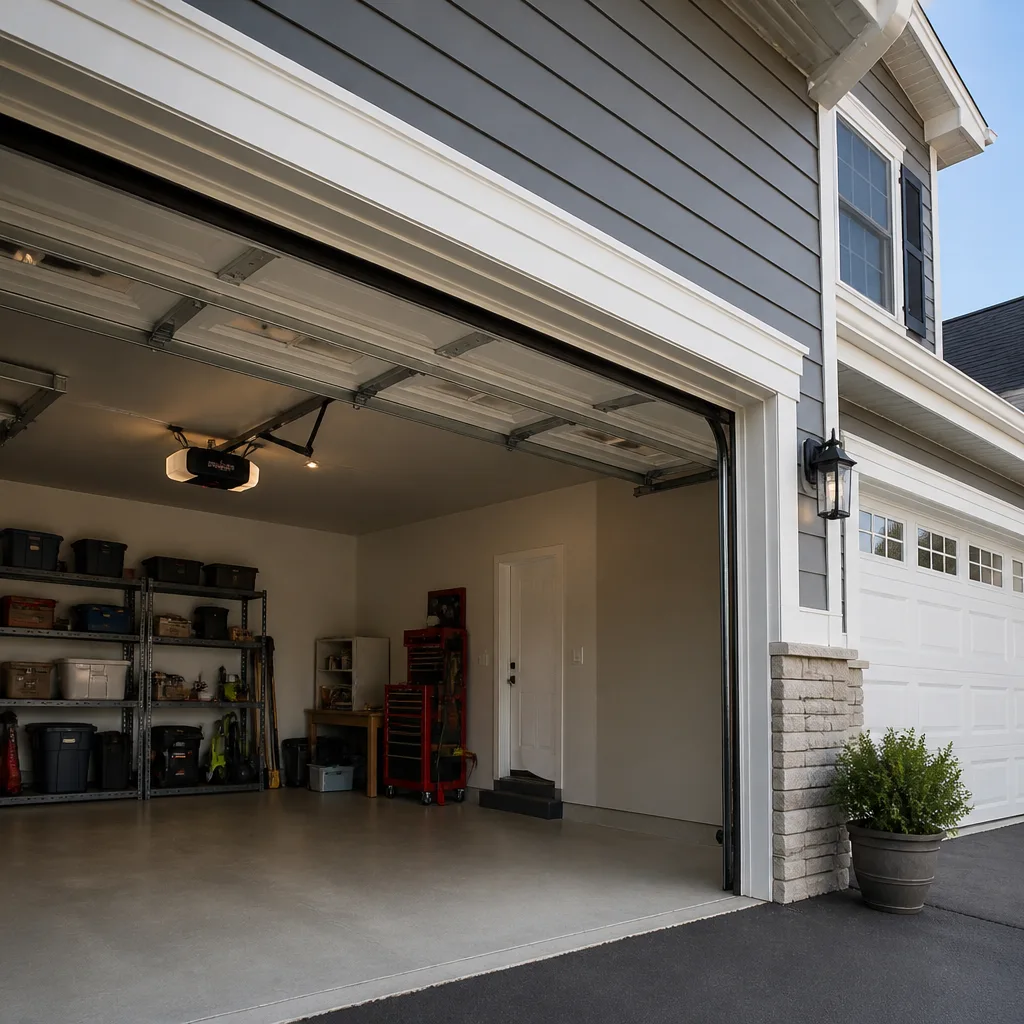 LiftMaster openers
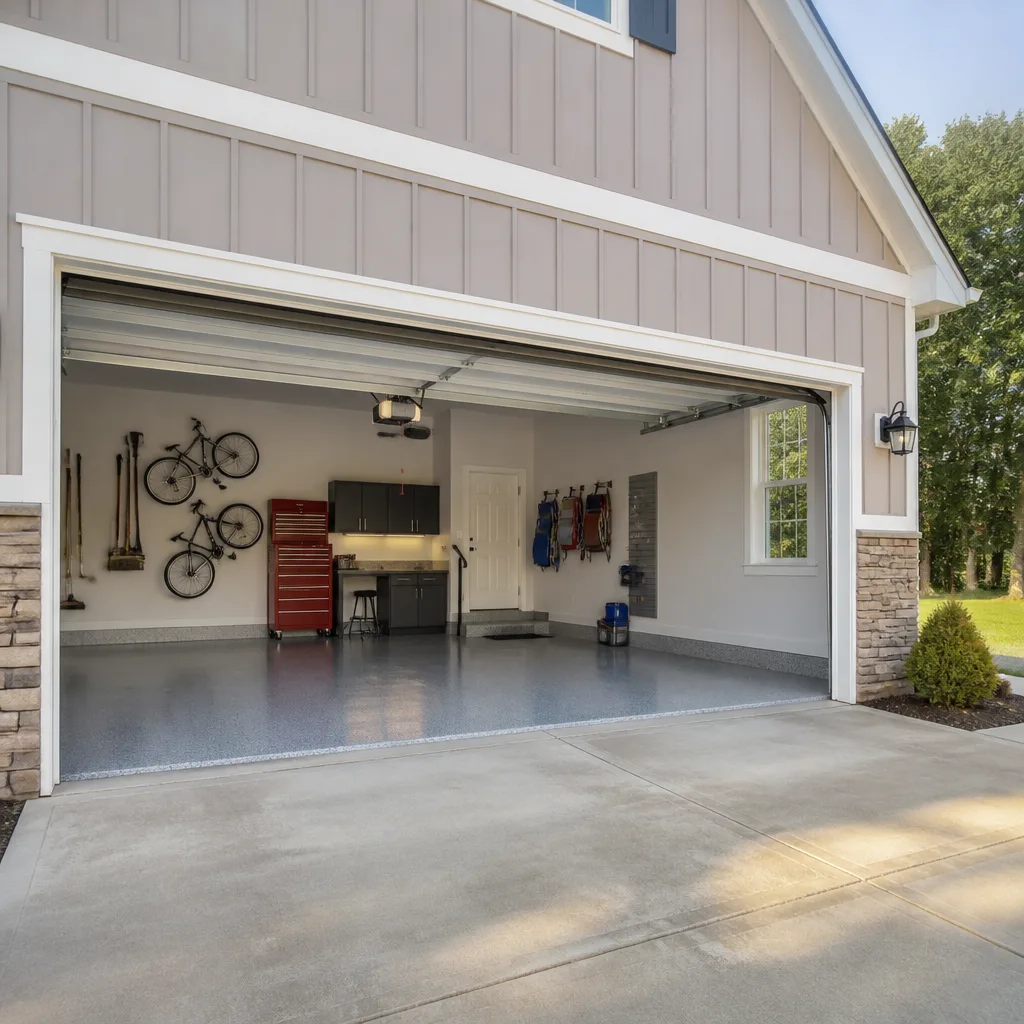 Chamberlain openers
Full 25-point door and opener safety check with every visit - springs, cables, rollers, tracks, and your LiftMaster or Chamberlain opener included
You get a price before we start. It does not change when the pro arrives.
Get your free estimateGarage Door Repair Maintenance Schedule: What to Do and When
Most garage door guides tell you the same thing: lubricate twice a year, listen for strange noises, call someone if it breaks. That advice was written for a country with four tidy seasons and dry air. North Charleston doesn’t work that way. Our humidity climbs in May and doesn’t let go until September, the summer heat pushes metal tracks and door panels around, and hurricane season runs from June through November. Those conditions change what a garage door actually needs and when.
This schedule is built around that real cycle, not a generic twelve-month checklist. You’ll find a month-by-month calendar, the lubricants that help and the ones that quietly wreck nylon rollers, a safe way to check spring tension without touching the springs, and a replacement timeline so you can budget for parts before they fail. If you’d rather hand the whole thing to someone, Rainier Garage Door Repair handles the full system.
Quick Answer
A garage door in North Charleston needs a quick inspection and lubrication each spring before the heat arrives, a hardware tightening and safety check each fall after hurricane season, and a professional tune-up roughly once a year. Springs, cables, and rollers have predictable lifespans, so the real trick is replacing worn parts on schedule rather than waiting for a breakdown. Monthly checks take about five minutes and catch most problems early.
Styles & brands we work with
- Raised-panel steel
- Carriage house
- Modern flush
- Full-view glass
- LiftMaster openers
- Chamberlain openers
Table of Contents
- Why North Charleston Needs a Different Maintenance Schedule
- The Month-by-Month Garage Door Calendar for North Charleston
- What to Check Every Month (Five Minutes or Less)
- Lubrication: What to Use, What to Avoid, and Why It Matters Here
- How to Test Springs and Tension Safely
- Opener and Battery Backup Care in Lowcountry Heat
- The Five-Year Parts Replacement Table
- When a Professional Tune-Up Is Worth It
Why North Charleston Needs a Different Maintenance Schedule
A national maintenance guide assumes mild, dry conditions. North Charleston’s climate asks more of a garage door and asks it in a different order. The temperature swings between a humid 90-degree summer and a cold snap in January, and each swing expands and contracts metal tracks, springs, and panel seams. That movement is exactly what loosens bolts and gradually releases spring tension.
Humidity adds a second layer. The Lowcountry’s damp air works on hinges and bearings all year, and it also softens the plastic and nylon components in rollers and opener hardware. Garage doors are also a buffer between the outside air and the house, so a door that seals poorly in July lets the heat inside and pushes your cooling system to work harder.
The seasonal interruption that shapes the calendar here is hurricane season, which runs from June through November. Doors in North Charleston endure wind pressure and driven rain during those months, and afterward the hardware often needs a check and tightening. That’s why the two big maintenance moments land in April (before the heat and storms) and November (after them) rather than in a random spring cleaning window.
One more difference: some closed communities around North Charleston have their own design standards for doors and colors, and if you live in one, checking those rules before a repair or replacement saves a headache later. The maintenance rhythm below keeps your existing door healthy no matter what your community requires.
The Month-by-Month Garage Door Calendar for North Charleston
Here’s the full year in one view. Print it or save it; the schedule is intentionally built around the local climate rather than the generic checklist you’ll find on national home sites.
- January: Cold snaps can stiffen lubricant and cause rollers to stick. Do a quick manual lift test and listen for grinding.
- February: Check the reverse safety feature by placing a wood block in the door’s path. Tighten any bolts that loosened over winter.
- March: Lubricate hinges and bearings with a silicone or lithium spray, before the heat arrives. Wipe away old grease building up in the hinges.
- April: The pre-summer humidity check. Test the springs, inspect seals for cracking, and confirm the opener’s safety sensors align cleanly.
- May: Check battery backup on any opener with a battery unit and replace it if it’s weak. Test before the summer storm season.
- June: Hurricane season begins. Confirm the door seals tight and any cross-brace brackets or hardware are snug.
- July and August: The hottest months. Watch for noisy grinding as heat expands tracks. Lubricate if the door sounds dry, and check the alignment once mid-summer.
- September: Check the bottom weather seal for cracking that lets humidity into the garage.
- October: Listen for imbalance. A door that lifts unevenly may have a weakening spring and shouldn’t be ignored.
- November: Post-hurricane-season hardware check. Go over every bolt, hinge, and track attachment; tighten what’s loose.
- December: Clean the safety sensors and the track, clear debris from the bottom seal, and plan any spring or roller replacement for the cooler months.
That’s the whole calendar. The tasks repeat from year to year, but the dates are tied to North Charleston’s heat, humidity, and storm season rather than a national template.
What to Check Every Month (Five Minutes or Less)
Layer this short monthly walkthrough on top of the seasonal calendar. Most garage door failures give warnings weeks before they break, and these checks catch them.
- Listen. A smooth door hums quietly. Grinding, squeaking, or rattling points to a lubrication or hardware issue.
- Watch for imbalance. Open the door and see whether it tilts or drifts to one side. That suggests spring tension or a roller problem.
- Test the auto-reverse. Place a block of wood in the door’s closing path. A working door should reverse when it touches it.
- Check the safety sensors. Make sure the two sensors at the door’s base line up, are clean, and are unobstructed.
- Scan the bottom seal. Look for cracks, tearing, or gaps. The weatherstripping is your first line of defense against humidity and heat.
- Look at the rollers. Flat spots, cracks, or a wheel that wobbles mean it’s time to plan a replacement.
Do all of this on the same day each month so it becomes routine. If you notice anything that seems serious between scheduled checks, don’t wait for the next monthly pass; check it immediately.
Lubrication: What to Use, What to Avoid, and Why It Matters Here
This is the task most often done wrong. People reach for whatever spray is in the garage, and the wrong choice does real damage. The single worst product for a roller is a general-purpose penetrating oil like WD-40. It’s a solvent, not a lubricant, and it breaks down the nylon or plastic wheels inside rollers over the course of a season. The rollers then grind, crack, or jam.
Use a silicone spray or a lithium grease spray instead. Both are named plainly, both are widely available, and both protect metal-to-metal contact without attacking plastic or nylon. Here’s a simple way to do it right:
- Work with the door closed and the opener disconnected from the door so nothing moves while you’re near it.
- Spray a light coat on each hinge, at the pivot points where the hinge flexes.
- Add a small amount to the rollers’ bearings, not to the wheels themselves.
- Wipe any excess with a rag so it doesn’t collect dust.
- Wipe down the tracks with a damp cloth to remove old grease and grit, then leave them dry; don’t lubricate the tracks themselves, they should stay clean and dry.
In North Charleston, the ideal time to lubricate is in March, before the summer heat arrives. That’s the season when heat expands the metal tracks and the door’s moving joints start to complain if they’re dry. Lubricating after the grinding starts means you’re fixing a symptom; getting ahead of the heat prevents it.
How to Test Springs and Tension Safely
Springs are the one part of a garage door system you should genuinely leave alone. They’re wound under enormous tension, and a torsion spring or extension spring that’s released suddenly is genuinely dangerous. We never advise opening a spring, adjusting it, or trying to release one yourself. What you can do safely is test whether the springs are still doing their job.
The standard way to test is a manual lift:
- Close the door. Disconnect the door from the opener using the manual release cord.
- Lift the door about halfway by hand and stop. If the springs are working correctly, the door should hold in place near the halfway point.
- See if it drifts. If it falls slowly on its own, the springs are losing force. If it takes real effort to lift, they may be over-tensioned or something is binding.
- Lower it carefully and reconnect the opener. If the door dropped, slow it with both hands.
A door that won’t hold itself halfway is telling you the springs are weak and should be replaced by a trained technician. In North Charleston’s temperature swings, springs cycle through expansion and contraction all year, which gradually weakens them even when they aren’t visibly broken. If your door feels heavy on the manual lift, that’s your warning.
Opener and Battery Backup Care in Lowcountry Heat
The opener is usually the first thing to fail in a garage door system, because it’s the component with motors, circuit boards, and plastic parts all living in the hot garage. In North Charleston, where garages hit high temperatures through summer, an opener ages faster than it would in a cooler climate. If the door itself is fine but the opener doesn’t respond, that’s a common problem, and garage door opener repair is a distinct job from door repair.
The specific heat-related issue homeowners here run into is the battery backup unit. Many newer openers have a battery backup to keep the door working during a power outage. Genie and Chamberlain openers in particular have battery backup units that degrade faster in heat. The battery chemistry slows down and its capacity drops when the garage runs hot through a Lowcountry summer.
Heed this before storm season. Test the battery backup in late spring by cutting power to the opener and seeing whether the door still operates. If the battery struggles, replace it before hurricane season rather than after. You want backup power working when the grid actually goes down, not discovering it’s dead afterward.
Brand matters less than familiarity. Whether your opener is a LiftMaster, Chamberlain, Genie, or Craftsman, the maintenance logic is the same: test safety sensors, clean the battery contacts, keep the track clean, and know when the unit is simply past its useful life. If you’re working with a Clopay, Amarr, or Wayne Dalton door paired to any of these openers, a technician who works with those brands regularly will recognize the setup quickly.
The Five-Year Parts Replacement Table
Most garage door parts have predictable lifespans. Planning replacements on a schedule beats being caught when a part fails. The lifespans and typical costs below are estimates for the North Charleston market; actual quotes depend on your door’s size and condition, and a written estimate sets the final price for any job.
| Part | Typical lifespan | What to watch for | Estimated replacement cost |
|---|---|---|---|
| Nylon rollers | 3-5 years | Flat spots, cracks, squealing | Often replaced in a set; ask for a written quote |
| Steel rollers | 5-7 years | Rust, grinding, uneven roll | Ask for a written quote |
| Bottom weatherstripping | 3-5 years | Cracks, gaps, tearing | Low-cost, often included in a service visit |
| Lift cables | 5-10 years | Fraying, kinks, slack | Replaced in pairs; ask for a written quote |
| Springs | 7-10 years | Weak lift, imbalance, visible gaps | Replaced per spring or as a matched pair; ask for a written quote |
Two points deserve emphasis. First, rollers and cables are best replaced as a set, so budget for the whole group rather than one at a time. Second, the climate here shortens the low end of these lifespans. A door in a humid, hot garage will cycle through nylon rollers closer to the three-year mark than the five. If you’re in the market for a replacement door entirely, a new Clopay, Amarr, or Wayne Dalton system will come with new parts and a fresh start on this timeline. For an accurate figure on your specific door, request a written estimate before committing.
When a Professional Tune-Up Is Worth It
You can do the monthly checks and the lubrication yourself. Some tasks still belong to a trained technician, and North Charleston homeowners should know where that line sits.
Call a professional for anything involving the springs, the lift cables, or the torsion assembly. Those parts carry dangerous tension, and handling them isn’t a weekend project. A technician should also do the once-a-year tune-up that tightens every bolt, checks the balance, tests the safety reverse, and confirms the door runs within its intended limits. That tune-up is especially valuable in April and November in our climate, right before and after the worst of the seasonal stress.
For North Charleston homeowners who want the full system looked at by someone familiar with their doors, North Charleston is where we work, and every system we see gets the same treatment. Call (888) 655-8807 for a free estimate. We answer 24/7. Fast dispatch from 7am to 7pm, Sunday through Friday.
Common Mistakes to Avoid
- Reaching for WD-40 on the rollers. It’s a solvent, not a lubricant, and it destroys nylon wheels within a season. Use a silicone or lithium spray instead.
- Lubricating the tracks. The tracks are supposed to stay clean and dry. Grease on the tracks collects grit and causes the door to bind.
- Skipping the pre-summer check. Waiting until July to address a dry, noisy door means the heat has already started working on it. Lube in March, not after the grinding starts.
- Never testing the battery backup. An opener’s battery backup fails quietly. In a humid, hot North Charleston garage, it degrades faster than you’d expect, so test it in late spring.
- Ignoring a door that won’t hold halfway. A weak spring is a warning, not a suggestion. Waiting can strain the opener and wear the door unevenly.
- Touching the springs yourself. They’re under heavy tension. Testing tension by lifting the door is safe; adjusting or opening the spring is not.
- Forgetting the bottom seal. A cracked weather seal lets in humidity and heat all summer. It’s the cheapest part to replace and the first one to check.
See the difference
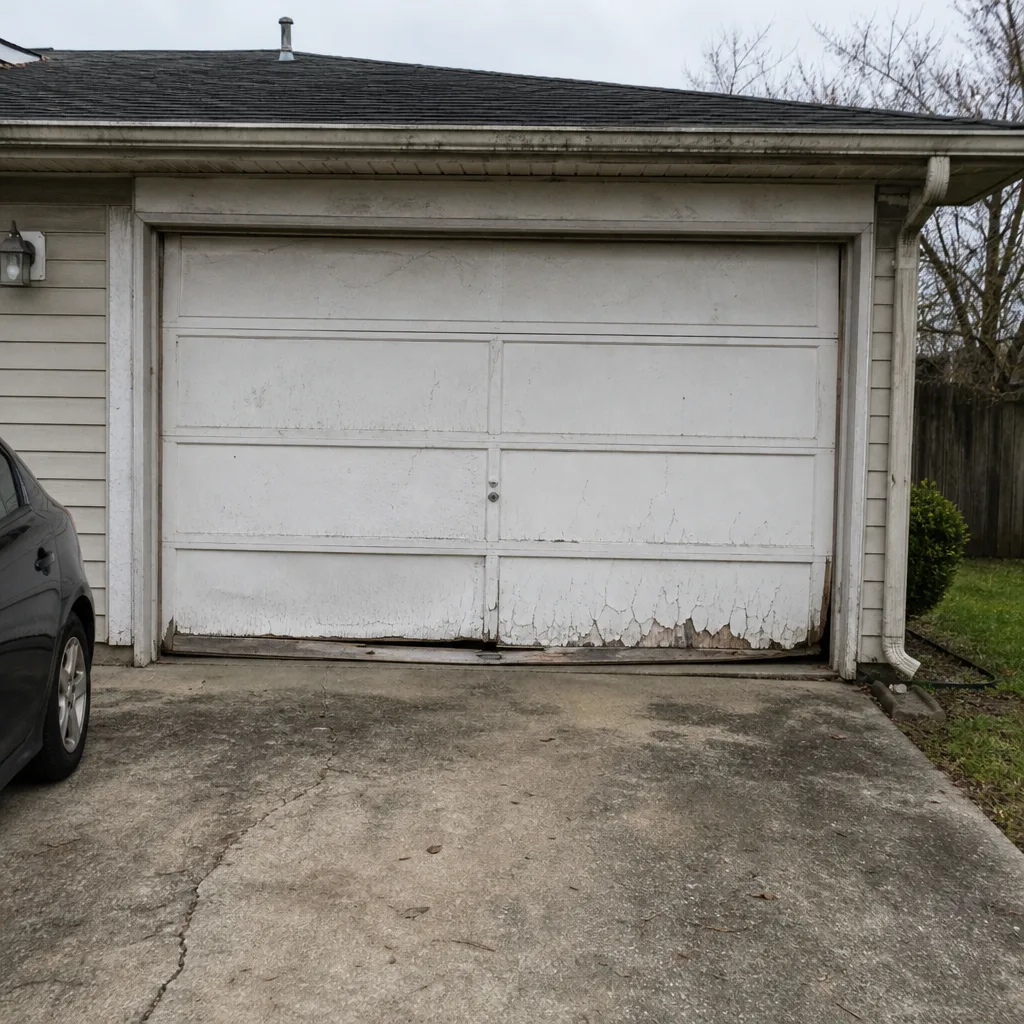 Before
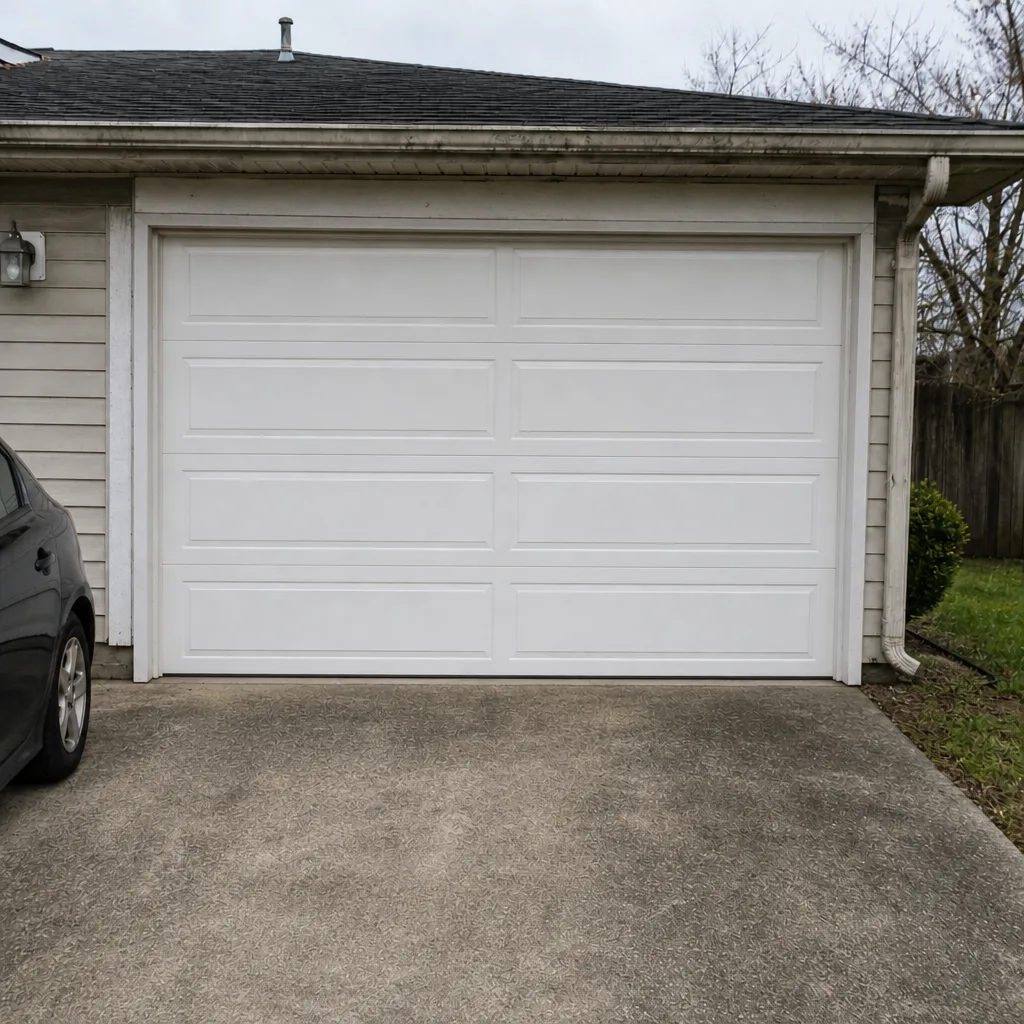 After
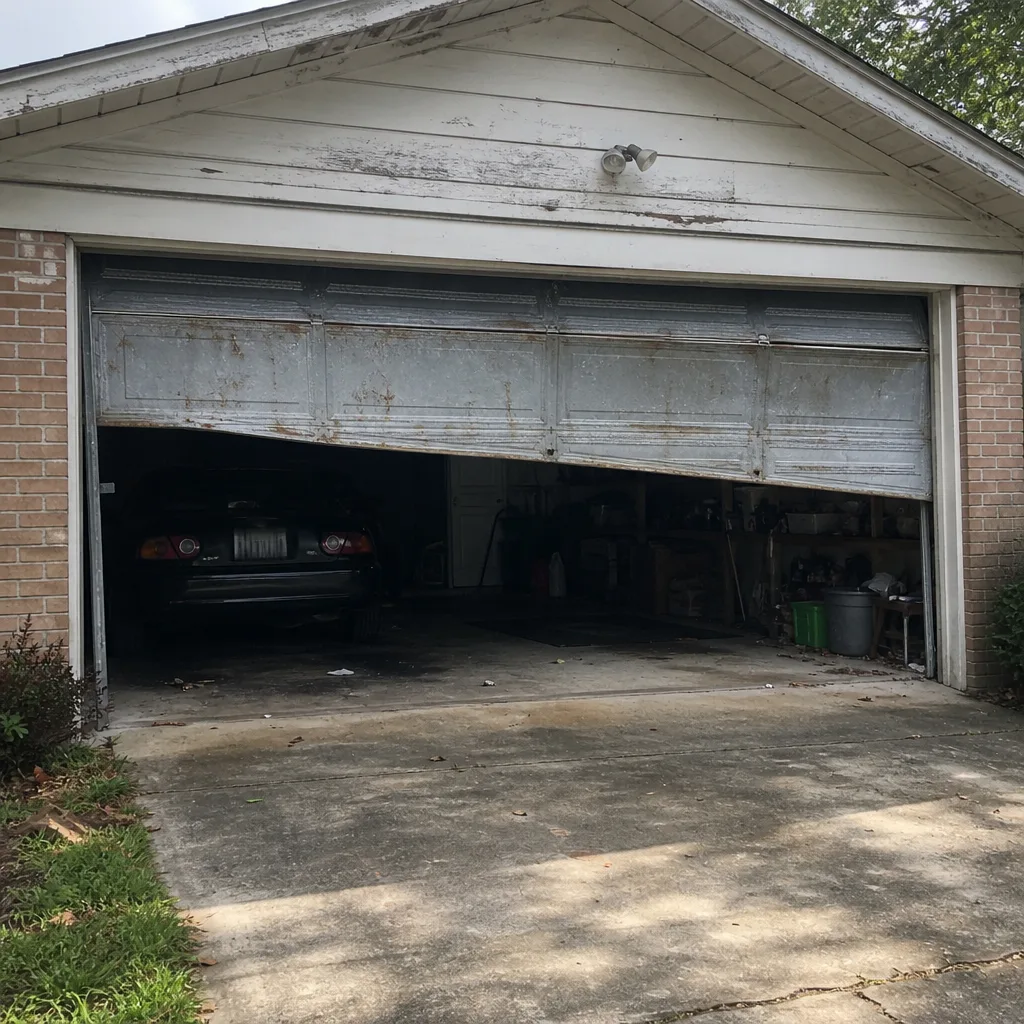 Before
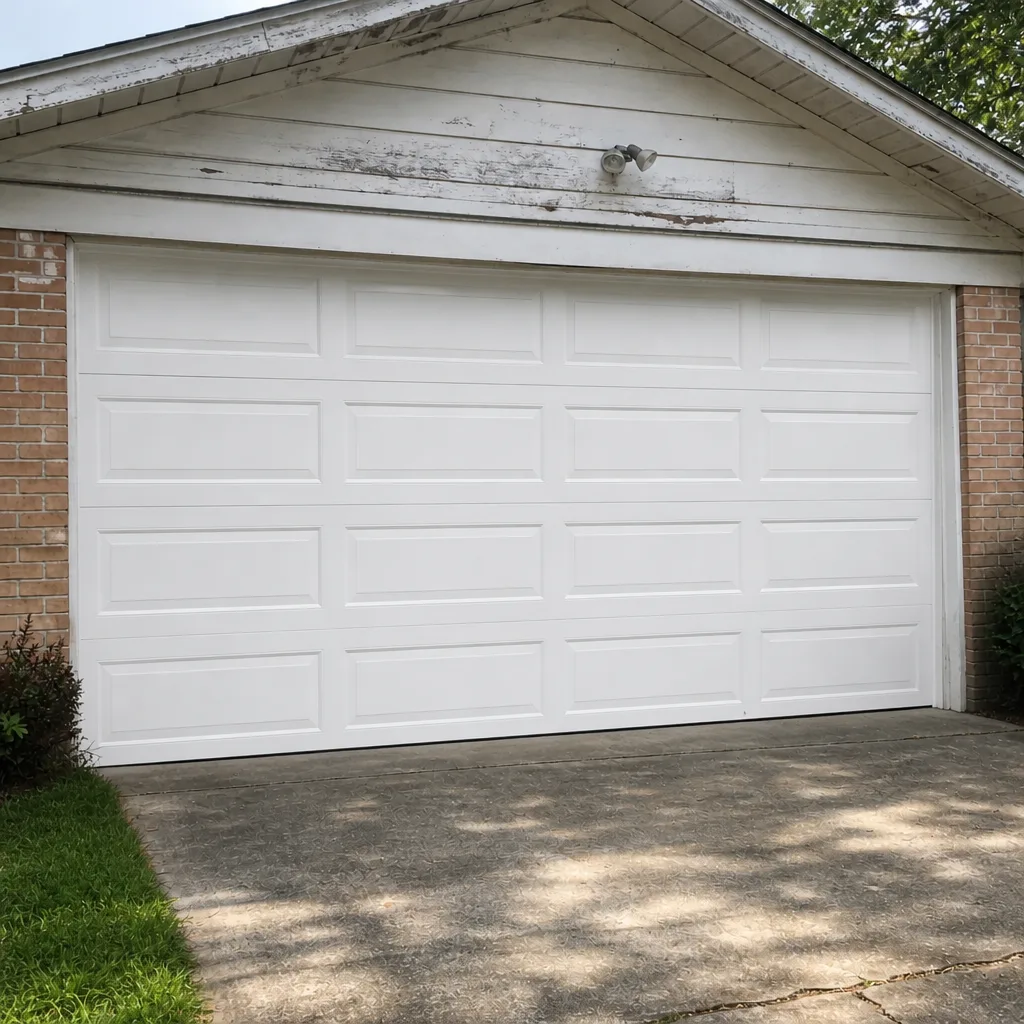 After
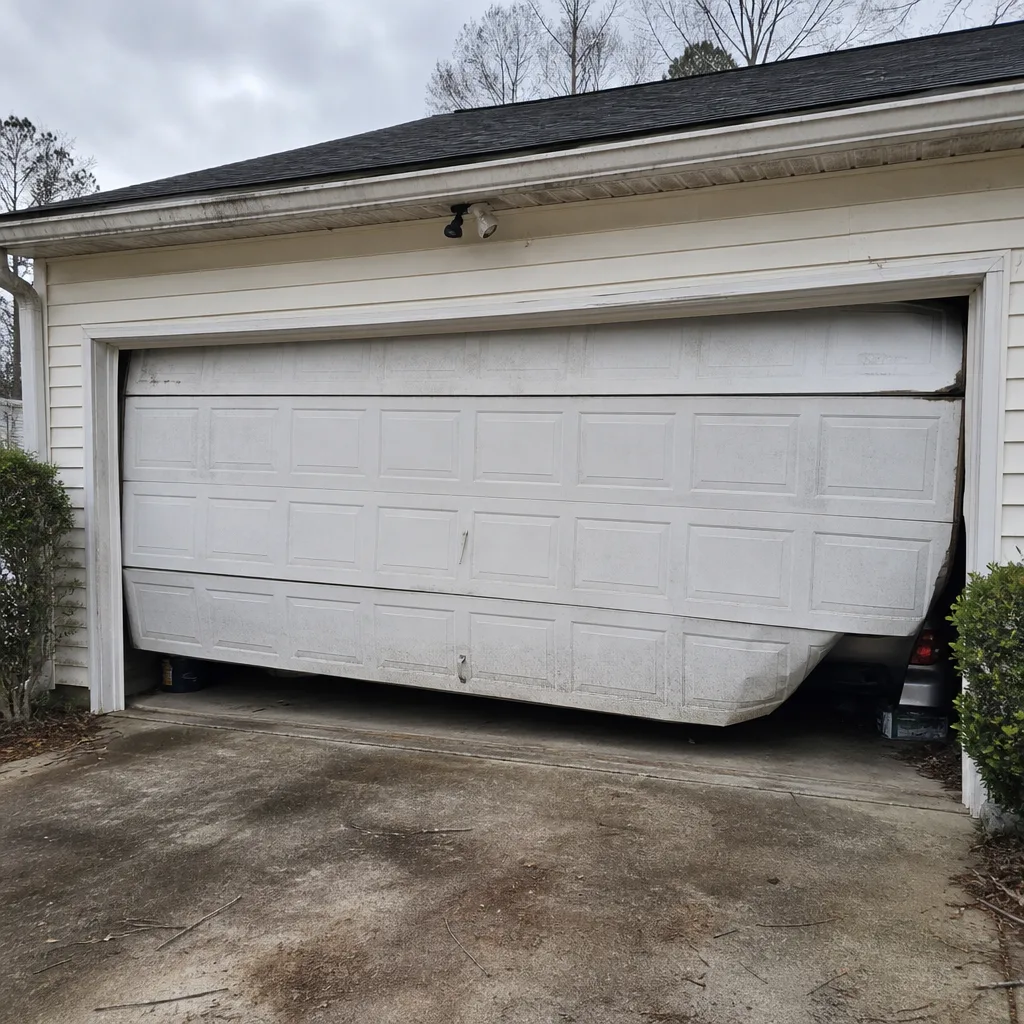 Before
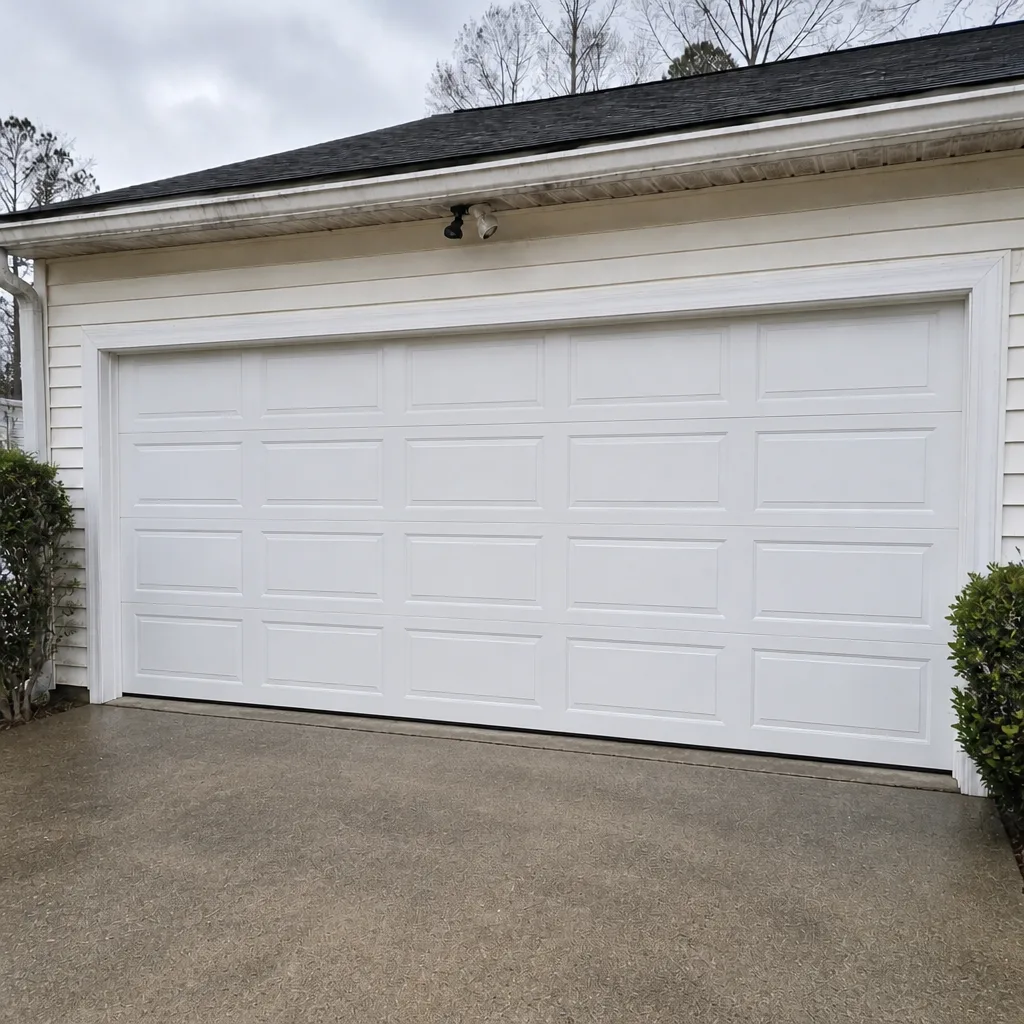 After
When to Call a Professional
Call a professional if the door won’t hold itself halfway when you test it, if a cable looks frayed or slack, or if the door lifts unevenly or bangs on one side. Also call when the opener runs but the door doesn’t move, when the safety reverse no longer trips, or when a broken spring has left the door stuck. These aren’t tasks to solve with a checklist; they’re calls for trained hands. Rainier Garage Door Repair offers free estimates in North Charleston. Call (888) 655-8807. We answer 24/7. Fast dispatch from 7am to 7pm, Sunday through Friday. Our technicians have up to 13 years of experience, and the price is quoted and agreed before any work starts.
Frequently Asked Questions
Once a year is the baseline, but the local climate makes spring and fall the two bookends: a check and lubrication in April before the heat, and a hardware tightening in November after hurricane season. The monthly checks catch the rest. Call (888) 655-8807 for a free estimate if you want a technician to go through the whole system.
Use a silicone spray or a lithium grease spray on the hinges and roller bearings. Avoid WD-40 and other penetrating oils, which break down the nylon wheels inside rollers over time and cause grinding and cracking. Apply a light coat in March before the summer heat arrives.
You can safely test whether the springs still work by disconnecting the opener and lifting the door about halfway by hand. If it holds near halfway, the springs are fine. If it drifts or falls, they’re weakening and need a trained technician. Never open or adjust a spring yourself; they’re under dangerous tension. Call (888) 655-8807 to have a weak spring checked.
Heat expands the metal tracks and door components, and a dry, unlubricated door complains loudly once it starts. Lubricating hinges and roller bearings before the heat arrives prevents most of the grinding that shows up in July. If the noise continues after lubrication, a worn roller or roller bearing may be the cause.
Battery backup units degrade faster in heat, and North Charleston garages run hot through summer. Test the backup in late spring by cutting power to the opener and seeing whether the door still opens. If it struggles, replace the battery before hurricane season. Call (888) 655-8807 if you need help identifying the right replacement.
No. The maintenance tasks are the same for LiftMaster, Chamberlain, Genie, Clopay, Amarr, Wayne Dalton, Craftsman, and Raynor systems. The brand affects which parts and openers are involved, not the seasonal rhythm. A technician familiar with your brand will spot the specifics faster, and we work on all eight. Call (888) 655-8807 for a free estimate.
The Bottom Line
A garage door in North Charleston doesn’t follow the generic national maintenance calendar. It follows the Lowcountry’s heat, humidity, and storm season. Do a five-minute check every month, lubricate with silicone or lithium in March before the heat, test the springs with a manual lift, keep your opener’s battery backup healthy ahead of storm season, and replace rollers, cables, and seals on the schedule the table allows. Leave the springs and cables to a trained technician. Everyone’s house is like a neighbor’s house in that the small upkeep items matter more than the big fixes, and the small items on a garage door are where the schedule earns its keep.
If any part of the schedule feels like more than you want to manage, Rainier Garage Door Repair handles the whole thing. Along with garage door repair, we take care of openers, tune-ups, and full installation, and one call covers it. Call (888) 655-8807 for a free estimate. We answer 24/7. Fast dispatch from 7am to 7pm, Sunday through Friday.
Written by the team at Rainier Garage Door Repair.