
Last updated November 15, 2026
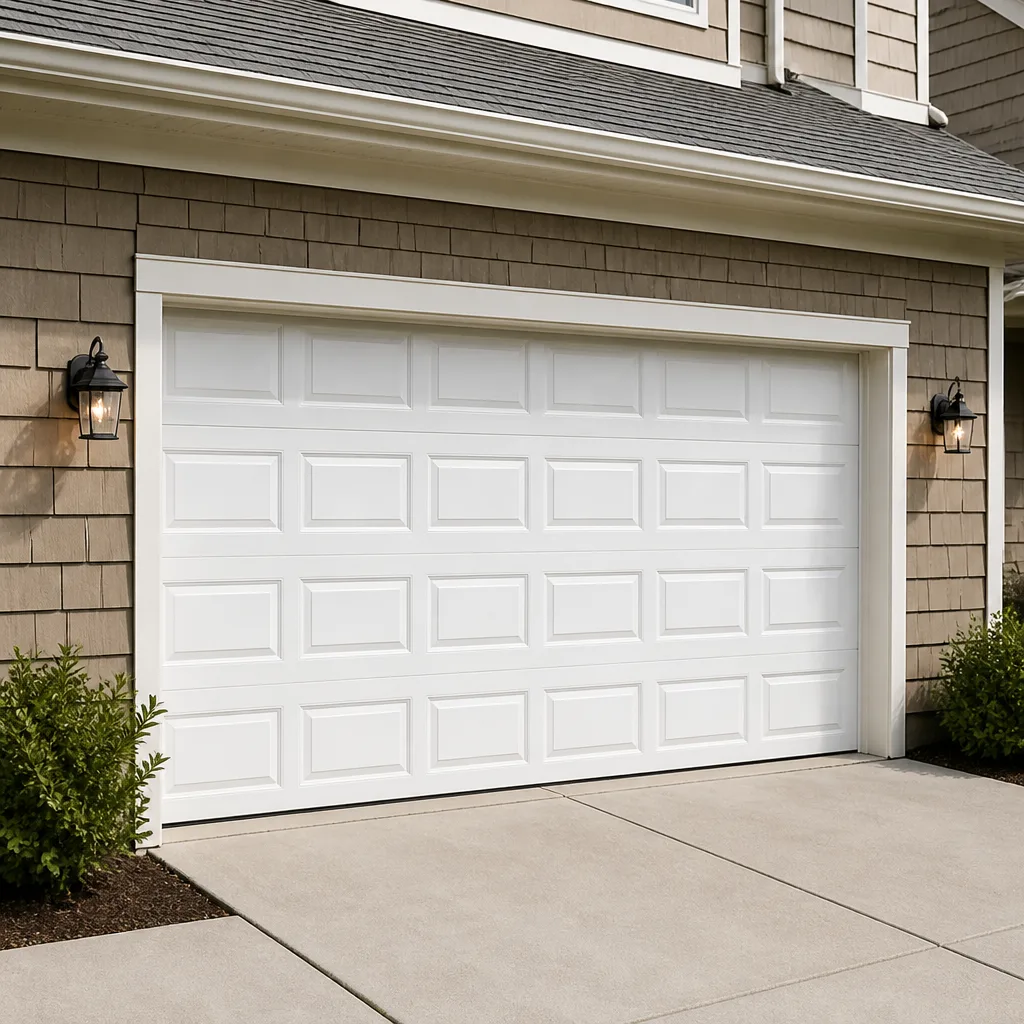 Raised-panel steel
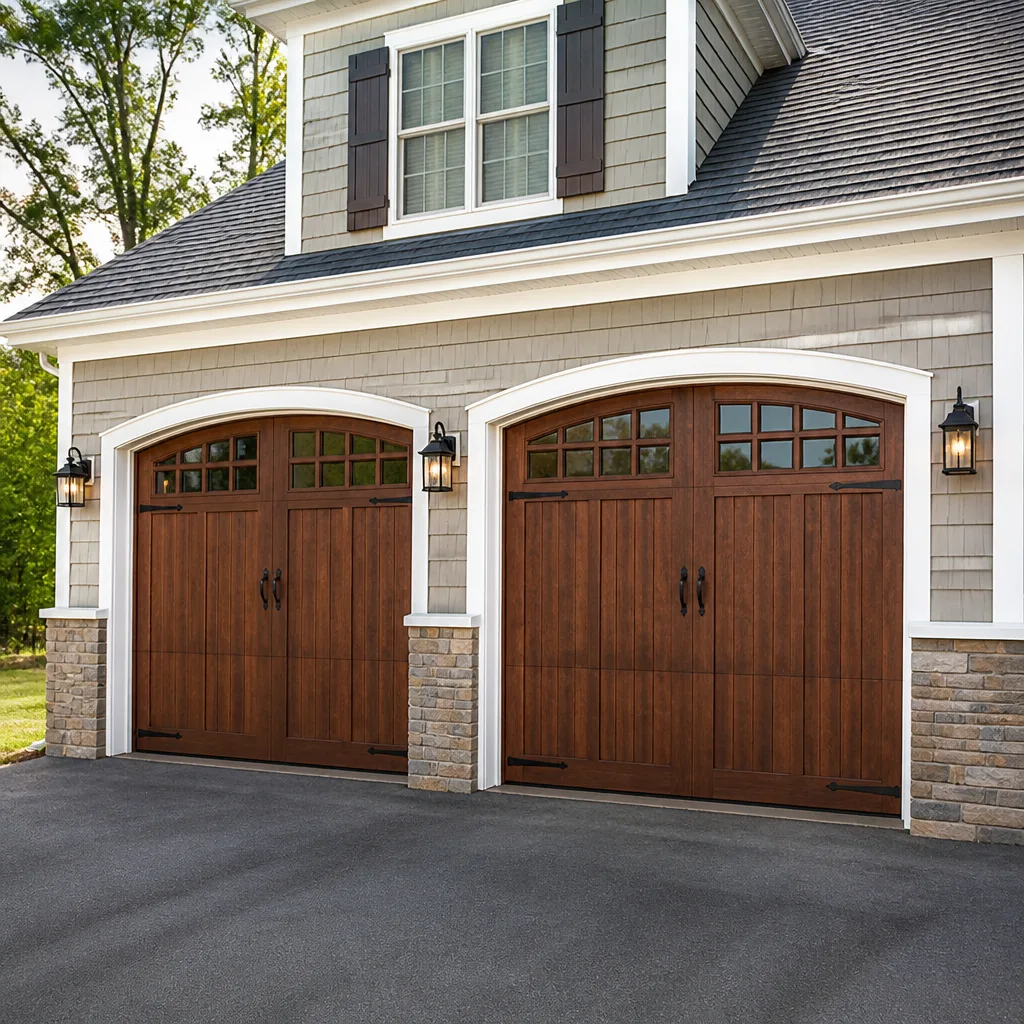 Carriage house
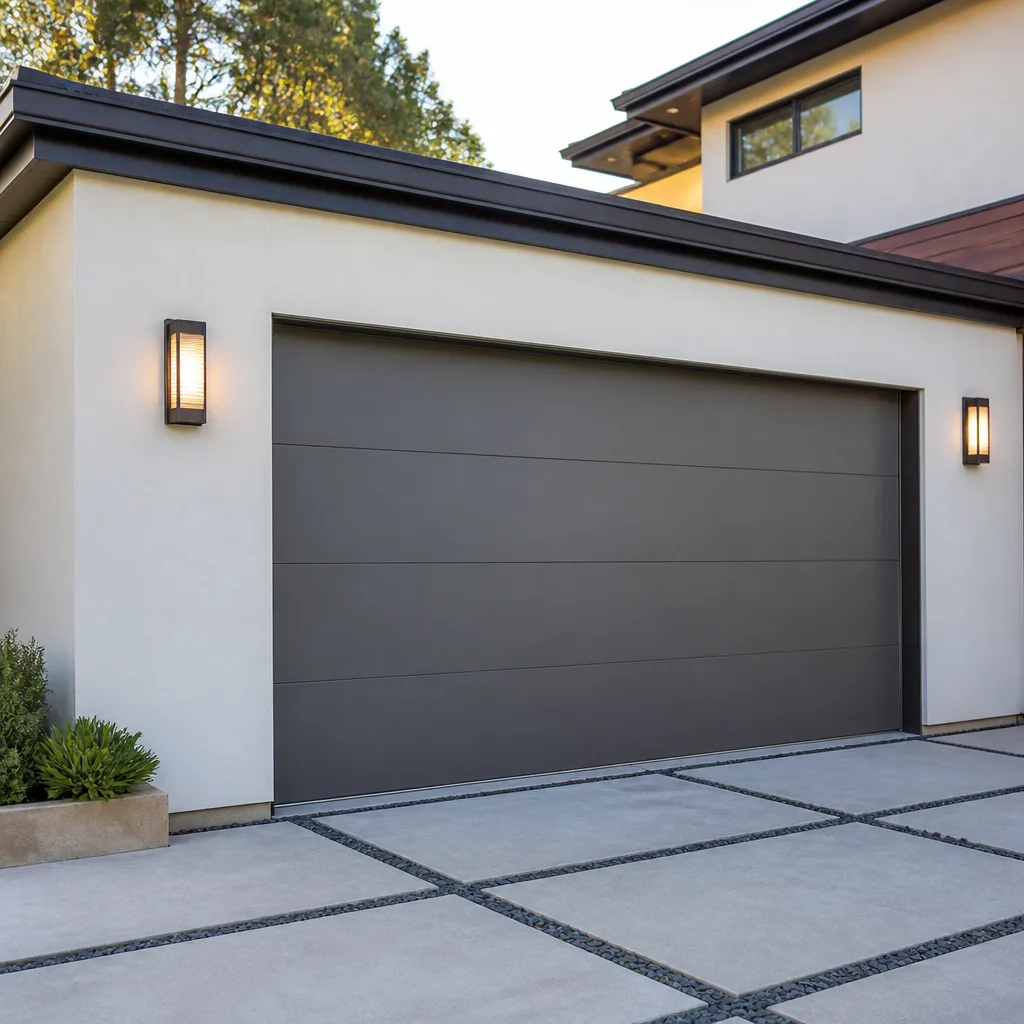 Modern flush
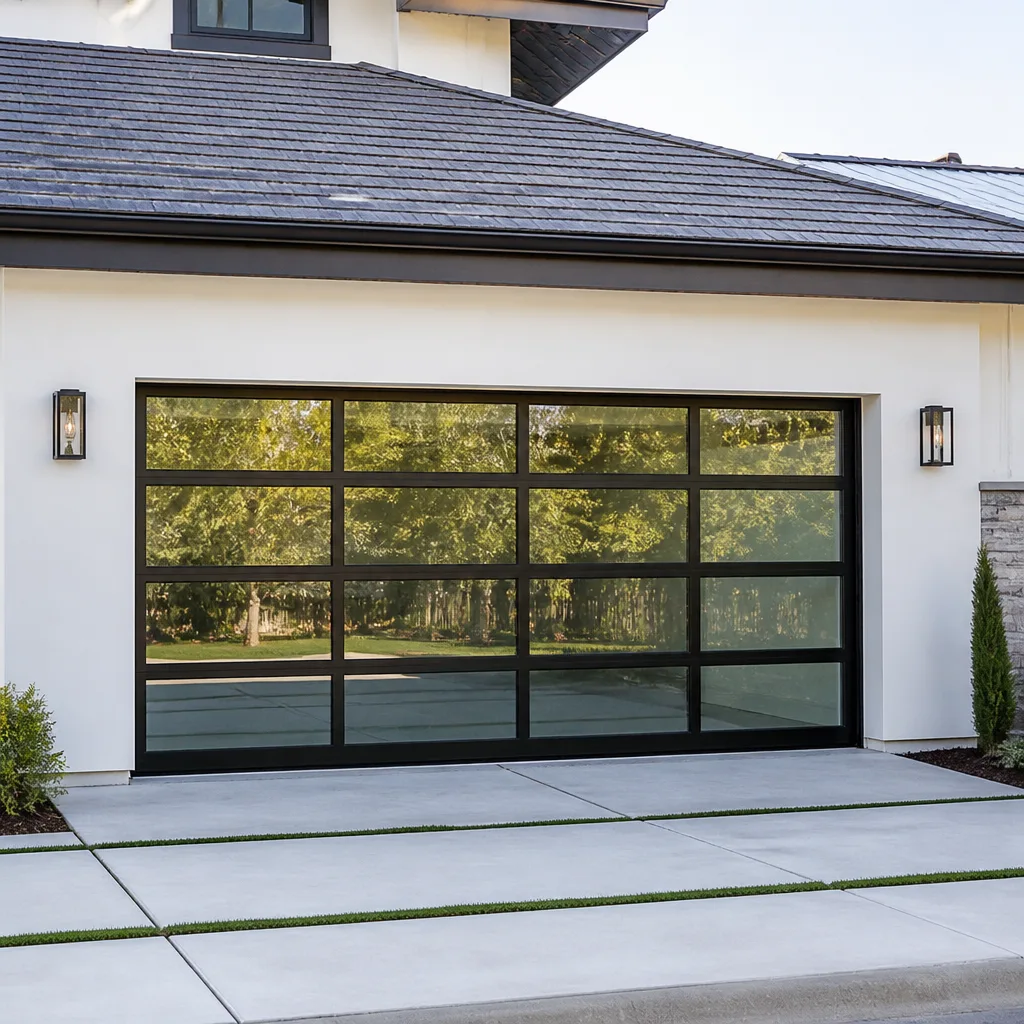 Full-view glass
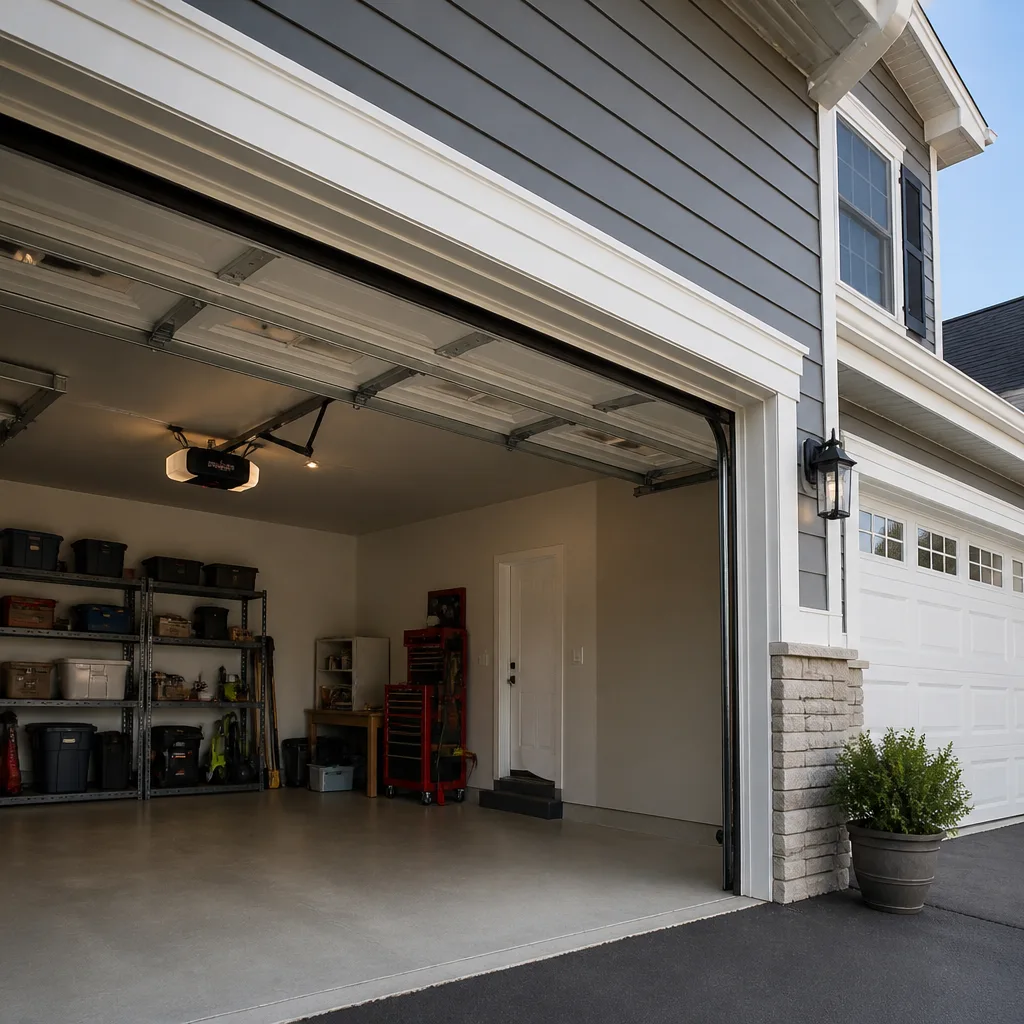 LiftMaster openers
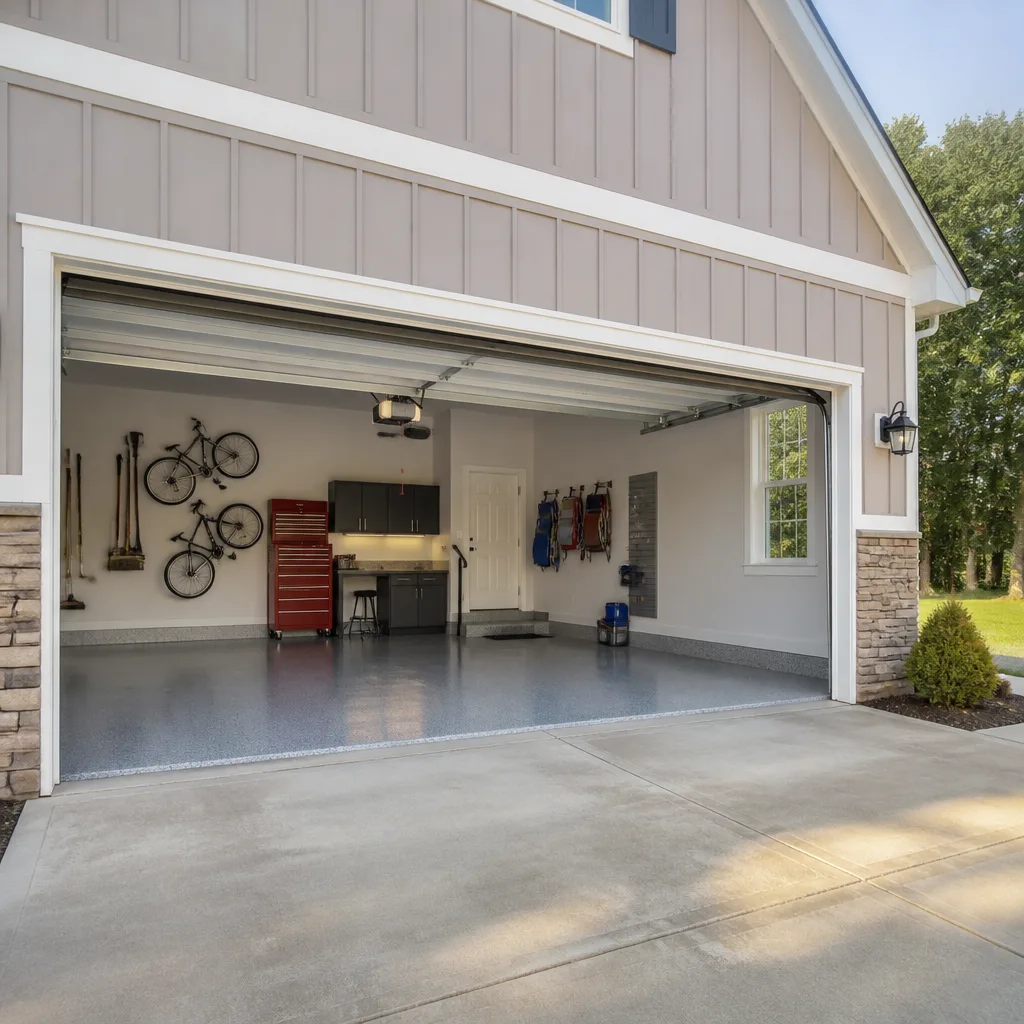 Chamberlain openers
Full 25-point door and opener safety check with every visit - springs, cables, rollers, tracks, and your LiftMaster or Chamberlain opener included
You get a price before we start. It does not change when the pro arrives.
Get your free estimateHow to Hire a Garage Door Contractor in North Charleston: A Step-by-Step Guide
Most homeowners hire a garage door contractor the way they hire a plumber after a leak: they call whoever answers first, approve whatever number shows up, and hope for the best. That works fine for a dripping faucet. It works poorly for a door that’s the largest moving object on your house. We’ve watched this play out across North Charleston for years, and the pattern is always the same – the homeowner who skipped the vetting process is the one calling us a season later to fix a problem the first company created and then stopped answering the phone about. This guide walks you through the exact questions, documents, and red flags that separate a contractor built to hold from one that won’t be here when the wind picks up. You’ll learn how to check licensing, read a written estimate, and spot a company that’s here for the season instead of here for good.
Quick Answer
To hire a garage door contractor in North Charleston, verify their South Carolina license through the state’s Labor, Licensing and Regulation (LLR) database before anything else, then confirm they service your specific door and opener brand, ask for a written estimate broken into separate line items, and establish the difference between the manufacturer’s warranty and their labor warranty. Skip any contractor who can’t produce a license lookup result, demands a large cash deposit up front, or has a business address that doesn’t predate the last big storm.
Styles & brands we work with
- Raised-panel steel
- Carriage house
- Modern flush
- Full-view glass
- LiftMaster openers
- Chamberlain openers
Table of Contents
- Why Hiring Garage Door Contractors in North Charleston Takes Extra Care
- How to Verify a Contractor’s South Carolina License
- Manufacturer Warranty vs. Labor Warranty: What’s Actually Covered
- Red Flags After a Storm: Spotting the Surge Contractors
- Why Brand Coverage Tells You Everything About a Contractor
- How to Read a Garage Door Estimate Line by Line
- Twelve Questions to Ask Before You Sign
- What Garage Door Work Costs in North Charleston
Why Hiring Garage Door Contractors in North Charleston Takes Extra Care
North Charleston’s housing stock is a mixed bag. You have older brick ranches, neighborhoods built up over the last few decades, and a lot of homes where the garage door and opener were installed years ago and have never had a real inspection. That means when something fails, homeowners are often dealing with original or near-original equipment, and they’re calling a contractor for the first time with no idea what to ask. That’s the moment a bad contractor counts on.
The bigger issue in this market is the storm cycle. Lowcountry wind events bring door-to-door installers and pop-up companies from out of state running ads that wouldn’t survive a normal vetting process. After major wind events in the region, we’ve seen the same pattern repeat: out-of-area teams arrive offering quick installs and “storm-damage specials,” operate under a temporary business filing, and pull out once the work thins out. Eighteen months later, the door won’t seal, the opener shorts out, and the phone number goes straight to a dead line. The warranty exists on paper only.
Your leverage is preparation. Knowing how to check licensing and how to read a signed estimate before the door breaks puts you in a fundamentally different position than the homeowner frantically searching at 9 p.m. while the door hangs crooked. If a repair is already on the table for you, our garage door repair page is where we start the conversation. If you’re shopping an install, keep reading, because the vetting process for a large install project is where most bad decisions get made.
How to Verify a Contractor’s South Carolina License
South Carolina requires a state license for residential construction work over a certain dollar threshold, and door installation falls into that category. The license is issued through the South Carolina Department of Labor, Licensing and Regulation, known as LLR. Verifying it takes about two minutes and is the single most useful thing you can do before you sign anything.
Here’s the process, step by step:
- Go to LLR’s official licensing lookup page. Search by the company name or by the individual license holder’s name. The database is public and free.
- Confirm the license class. Residential specialty and general residential contractor licenses cover the work. If the license category on file is for a trade that has nothing to do with doors, ask why before you proceed.
- Check the status. You’re looking for “active,” not “expired,” “inactive,” or “revoked.” A company that advertises locally but shows an expired license is a walk-away.
- Cross-check the business name on the license against the name on the estimate and the truck. If they don’t match, get a written explanation before any work begins.
- Verify that the license holder carries the insurance required by the state for the license class. A license is not insurance, but the two travel together in a properly run business.
What if the contractor can’t be found in the state database at all? That’s a hard stop. A company that isn’t listed may be an unlicensed operator running under a temporary business name, or an out-of-state team working without the right credential. No license lookup result, no contract. In our experience, the honest contractors in this market will hand you their license information before you ask for it.
Manufacturer Warranty vs. Labor Warranty: What’s Actually Covered
There are two warranties on every garage door installation project, and most homeowners only know about one. Understanding the difference is what keeps a low bid from becoming a high total cost.
The manufacturer’s warranty covers the parts and materials the manufacturer supplied – the door panels, torsion springs, cables, and opener components. It’s issued by the brand, not the contractor. It’s typically long, and it’s honored whether you bought through company A or company B.
The labor warranty covers the installation work itself – how the door was hung, aligned, tensioned, and adjusted. It’s issued by the contractor, and it only exists as long as that contractor exists and answers the phone. A labor warranty from a company that’s gone is worth exactly nothing.
Here’s the trap. A sloppy installation can physically void the manufacturer’s warranty. Door panels installed out of level, hardware torqued to the wrong spec, an opener mounted on a door with the wrong balance – these are all conditions that a brand can point to as improper installation and deny a claim for. The homeowner who saved a few hundred dollars on the low bid often finds out later that they’ve lost the parts coverage too, because the installation itself was the problem.
The check is simple: ask for the warranty documents in writing before you sign. Read the labor warranty term, the exclusions, and the conditions. Confirm that the installer is listed as an authorized or certified servicer for your door or opener brand, because that affects whether the manufacturer stands behind the install. Companies that service only one opener brand have an incentive to push you toward whatever they sell, whether or not it’s the right fit for your door. We service LiftMaster, Chamberlain, Genie, Clopay, Amarr, Wayne Dalton, Craftsman, and Raynor systems, which means the recommendation follows your door, not our inventory.
Red Flags After a Storm: Spotting the Surge Contractors
Wind events in the Lowcountry are a fact of life, and every one of them brings an influx of contractors from out of state looking for install and repair work. Some of them are legitimate. Many aren’t. There is a recognizable pattern to the bad ones, and knowing the pattern is what protects you.
- A business address that’s new or temporary. Ask for the physical business address and confirm it on the state license. If it’s a virtual office or a PO box in another state, walk away.
- Reviews that all predate the last storm by a few weeks and none that predate it by years. A legitimate established company has a review history that runs back well beyond the last weather event. Check the dates, not the star count.
- Cash-only payment demands, or a deposit that’s most of the total. A large up-front deposit is the single biggest red flag in post-storm contracting. Legitimate installers collect a reasonable deposit and the balance on completion. Cash-only as the sole payment method is a walk-away.
- Pressure to sign immediately to “lock in” a price. A real estimate is valid on a written schedule, not on the car ride home.
- No license to look up. Back to the LLR check. No result, no contract.
- Estimates that give a total but won’t break down the line items. Bundled pricing hides markup and makes it impossible to compare bids.
- A promise that the door “won’t need any adjustment.” Every installed door needs adjustment after install. A contractor who skips it will skip other things too.
The good news about the post-storm pattern is that it’s predictable. The companies that will still be here in a year are the ones with a real address, a license in good standing, and a review history that doesn’t start the week of the storm.
Why Brand Coverage Tells You Everything About a Contractor
A contractor who only services one opener brand will sell you that brand for your new door, regardless of whether it matches the door you have. It’s not necessarily dishonest – it’s what they know, and it’s what they stock. But it becomes your problem when the opener and door don’t pair well together, or when the brand they’ve committed to isn’t the best fit for your situation.
Ask a contractor what brands they service and watch how they answer. A company that runs a full-lifecycle operation and knows each system can tell you the differences between an opener by LiftMaster, a door by Clopay, and the pairing that works best for a particular setup. They’ll also be honest about which systems are the most likely to give you trouble over time – the opener is the most failure-prone component in any garage door system, and it’s the part most homeowners don’t think to ask about until it stops working.
The practical advantage of broad brand coverage is parts availability. If your door is a Raynor or a Craftsman, a company that only handles one brand won’t have the parts and will either order slow or tell you the whole system needs replacing because they can’t source the component. A contractor who works across the major residential brands already knows the parts channel. That’s part of why our garage door opener repair is its own service category rather than an afterthought attached to door repair – the opener is where the calls come from, and it deserves the depth of a specialist approach.
The final piece is single-source accountability. If your door needs a new spring and your opener needs a new drive gear, you want one company responsible for both, not two companies each pointing at the other when something isn’t right. One call covers it, from the hardware to the opener. That’s the model we’ve built Rainier Garage Door Repair around, and it’s what you should look for regardless of who you hire.
How to Read a Garage Door Estimate Line by Line
An honest estimate is itemized. A bundled bid that gives you a single number and no breakdown is one you can’t compare against anything else, and it’s where markup hides. Here’s what a well-written estimate should look like.
Properly separated line items:
- Springs (per spring, and whether you’re replacing one or a matched pair)
- Cables and drums (separate from springs)
- Hardware (hinges, rollers, brackets, bearings)
- Labor (as its own line, with a stated scope)
- Opener (unit and labor separated, or combined with a stated breakdown)
- Disposal of old equipment (if applicable)
- Warranty terms stated in writing on the estimate itself
What a bundled bid is hiding: markup on parts, padded labor, or a substitution on materials. If you can’t tell what’s parts and what’s labor, you can’t tell whether the bid is low on labor and high on parts or the other way around. You also can’t tell if the springs are the matched pair for your door or one spring replaced alone when the pair should have been done together.
A spring price is per spring. That’s worth repeating, because it’s a common point of confusion. If your door runs a matched pair, the price for the pair is roughly double the price for one spring, and a bid that quotes one range and replaces two without noting it on the estimate is one to question. You want the estimate to state clearly what’s being replaced, how many of each component, and at what price.
When someone hands you a bid, ask one question first: “Can you break this down so I can see parts and labor separately?” A contractor with nothing to hide will break it down without hesitation. The price you agree to is the price you pay, and the written estimate is what sets it – no surprises at the end. For reference on how our pricing works, see the section below. For a starting point on what we’d quote in North Charleston, the North Charleston page outlines the service area and how we handle estimates.
Twelve Questions to Ask Before You Sign
Bring this list to every contractor conversation. The answers separate the prepared from the unprepared, and a contractor who can’t answer any of them clearly is a contractor who hasn’t been asked the question before.
- What’s your SC LLR license number, and can you show me the lookup result?
- Are you insured, and can I see the certificate of insurance?
- What labor warranty do you provide on this work, in writing?
- Is the manufacturer’s warranty affected by anything you’re about to do?
- What brands of door and opener do you service?
- Will the estimate be itemized, or is it a single number?
- How many springs are being replaced – one or a matched pair?
- What’s the timeline from measure to install?
- Who adjusts the door after installation, and when?
- If something fails in a year, what number do I call, and who answers it?
- What’s the deposit, and what’s the payment structure?
- Can I get the estimate in writing before any work begins?
You’ll notice the questions aren’t technical. They’re about the business. You can evaluate a contractor’s skill from their estimate and their answers about brands and springs, but you can only evaluate their staying power from their license, their insurance, and their review history. Both matter. Ask both sets of questions.
What Garage Door Work Costs in North Charleston
Pricing for garage door work varies by job, component, and the condition of your door. We don’t publish a price list because every job is different, but we can tell you how the pricing is structured and what to expect from a written estimate. The prices below are typical ranges for the work described, and the written estimate sets the final price.
- Spring replacement: priced per spring. A matched pair runs approximately double the single-spring price and is usually the right call when both springs are original.
- Cable and drum replacement: priced as a line item, often paired with spring work.
- Opener repair: quoted after diagnosis, with parts and labor separated.
- Opener replacement: unit and labor separated on the estimate.
- New door installation: quoted after an on-site measure, with door, hardware, opener, and labor broken out.
Two structural points about pricing. First, the price you agree to before work is the price you pay. That’s not a marketing line – it’s the whole point of a written estimate, and any contractor who won’t commit to a written number before touching the door is one to decline. Second, if you see a bid that undercuts every other bid by a wide margin, ask what’s missing. It’s usually a labor warranty, insurance, or a line item that’s about to be added later.
Our estimates are free, and we’ll walk you through the line items before anything is scheduled. If you’re comparing bids and one is itemized and one isn’t, that difference alone tells you something about the contractor.
Common Mistakes to Avoid
- Hiring on the first call or the lowest bid. The company that answers first isn’t the company that will do the best work. Vet everyone against the same list.
- Skipping the LLR lookup because “they seem professional.” A pleasant truck and a slick estimate say nothing about a license. Look it up.
- Not asking for the labor warranty in writing. Verbal warranties are worth nothing the day the phone stops being answered.
- Accepting a bundled bid without line items. A single number hides markup. Ask for the breakdown before you compare.
- Letting one brand recommendation stand without a second opinion on fit. If the contractor only services one opener brand, get a second quote to see whether that brand is actually the best fit for your door.
- Paying a large cash deposit up front. Post-storm operators collect the deposit and vanish. If the deposit is most of the total and the payment must be cash, walk away.
- Not checking the review dates. A star rating means little without a look at when the reviews were posted. A review history that runs well past the last wind event is a much better signal than a high rating with recent-only reviews.
See the difference
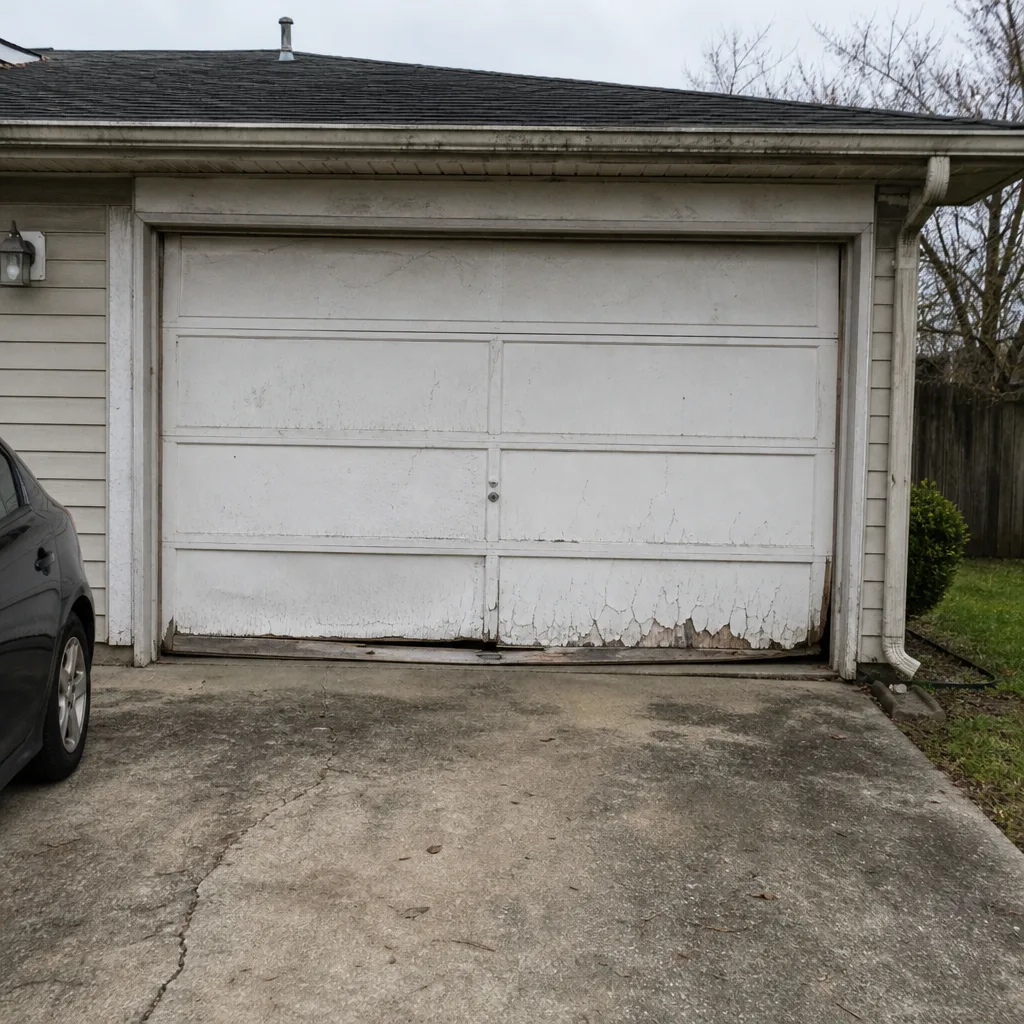 Before
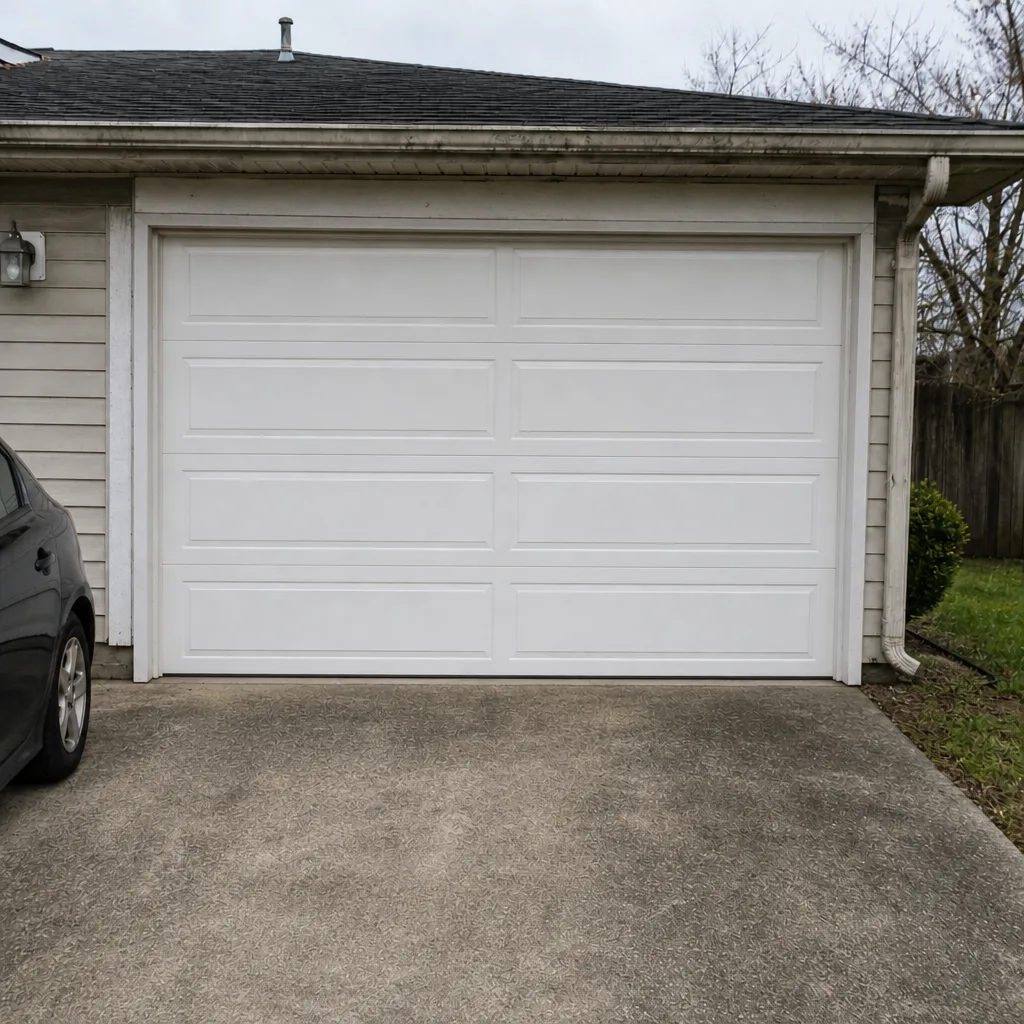 After
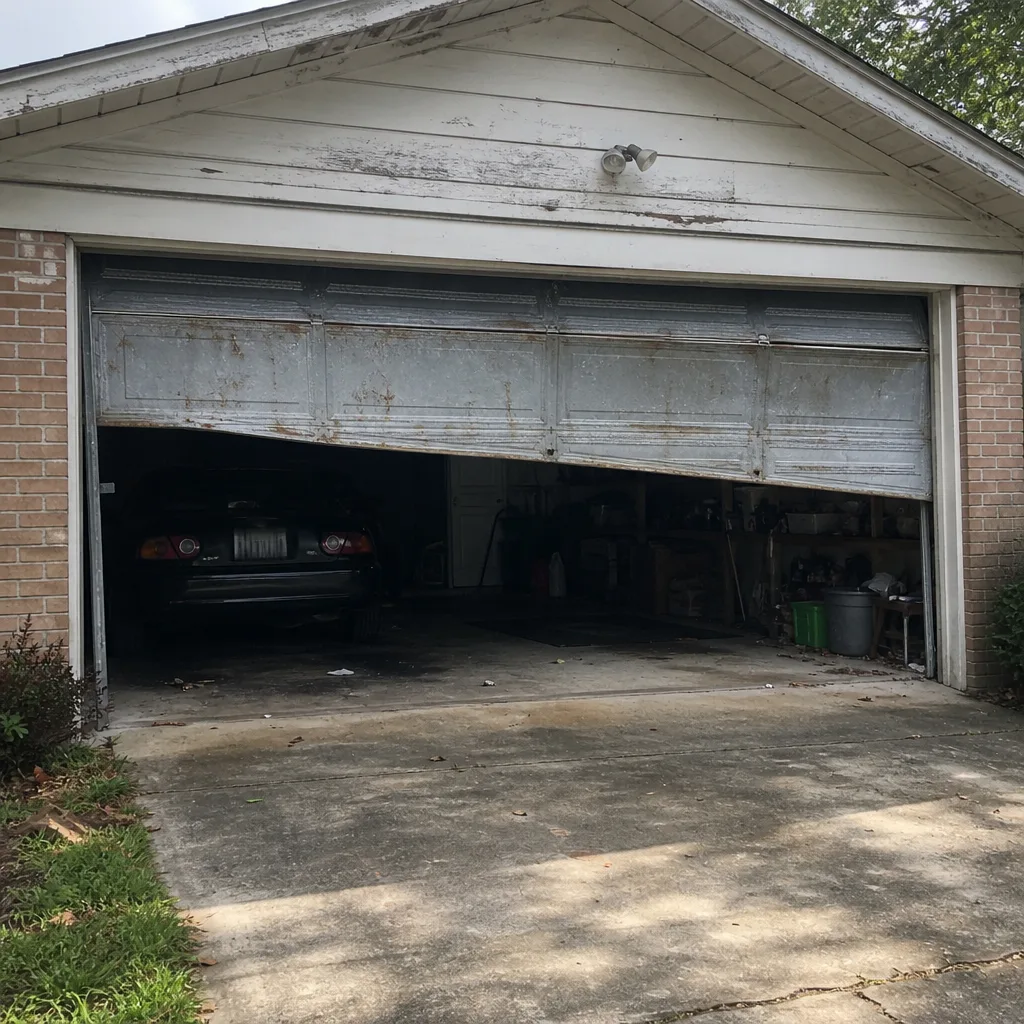 Before
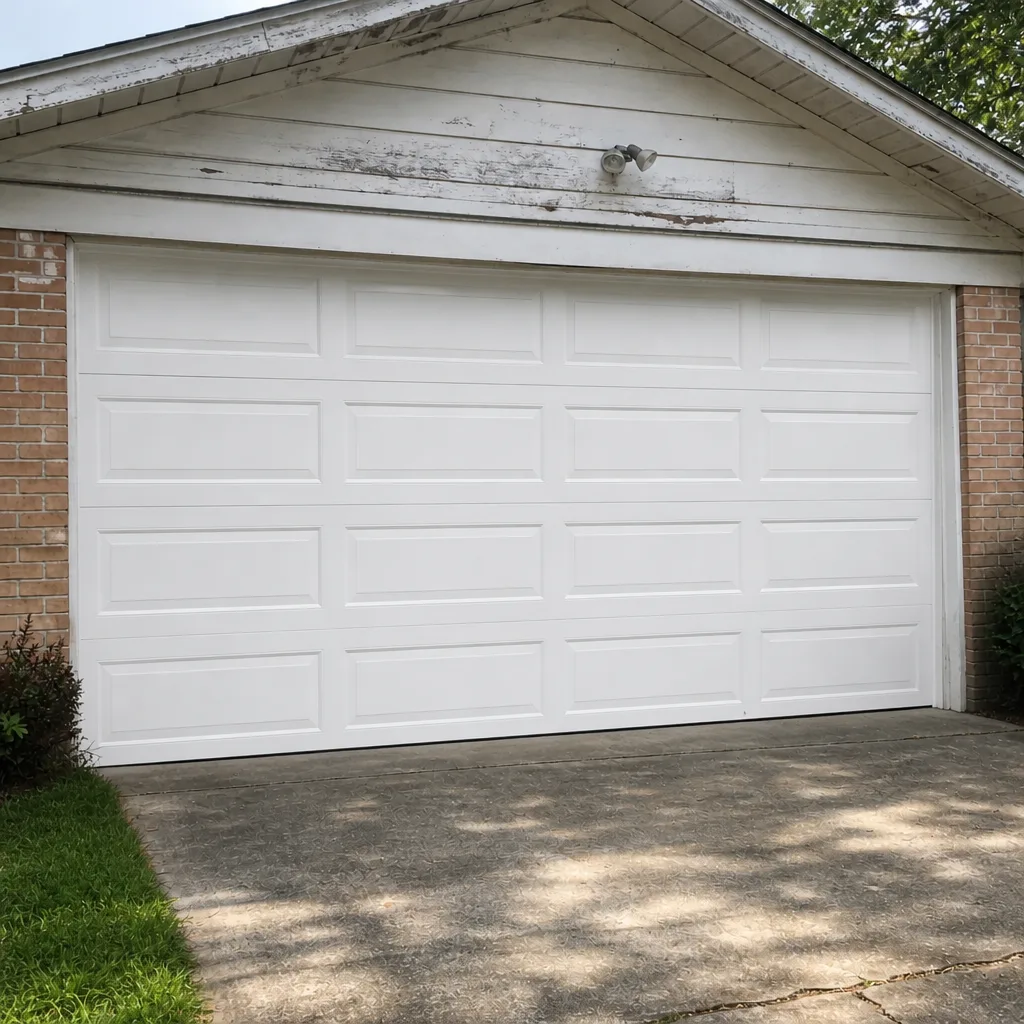 After
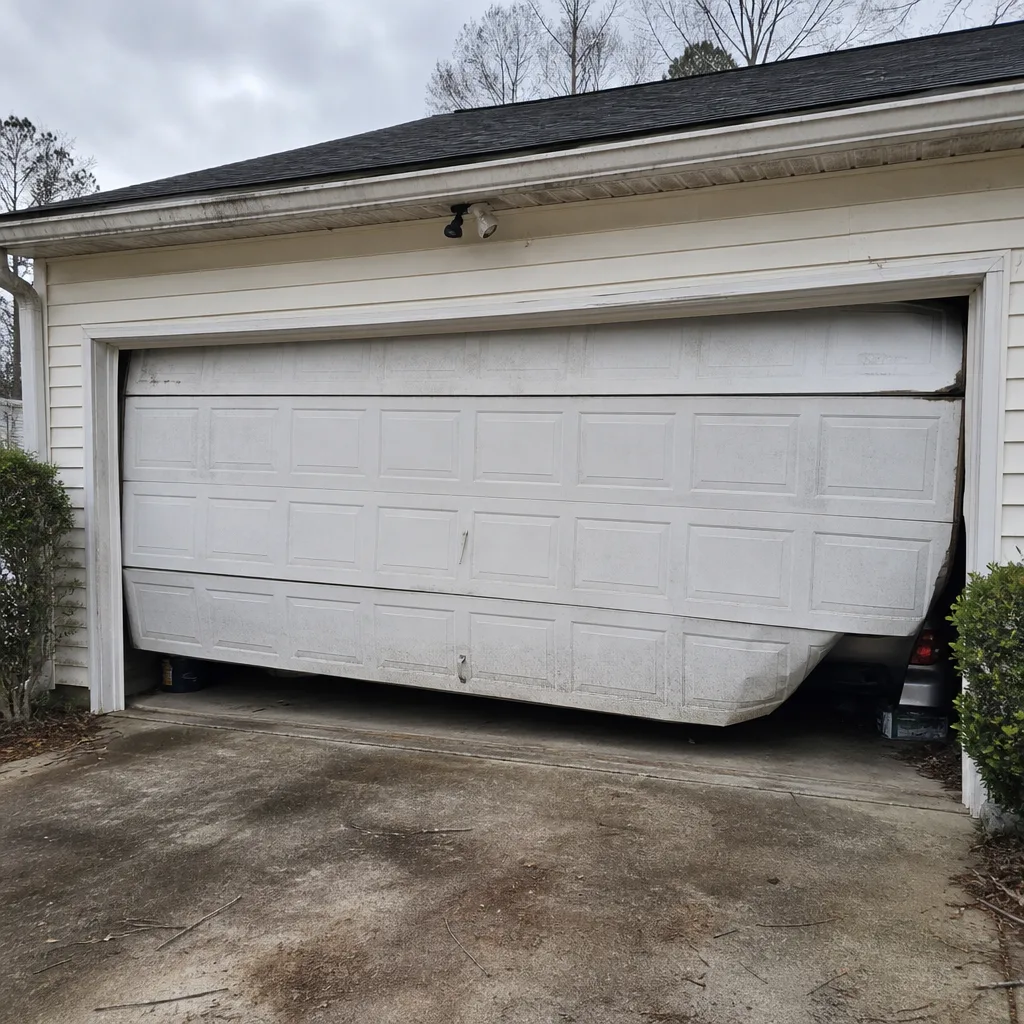 Before
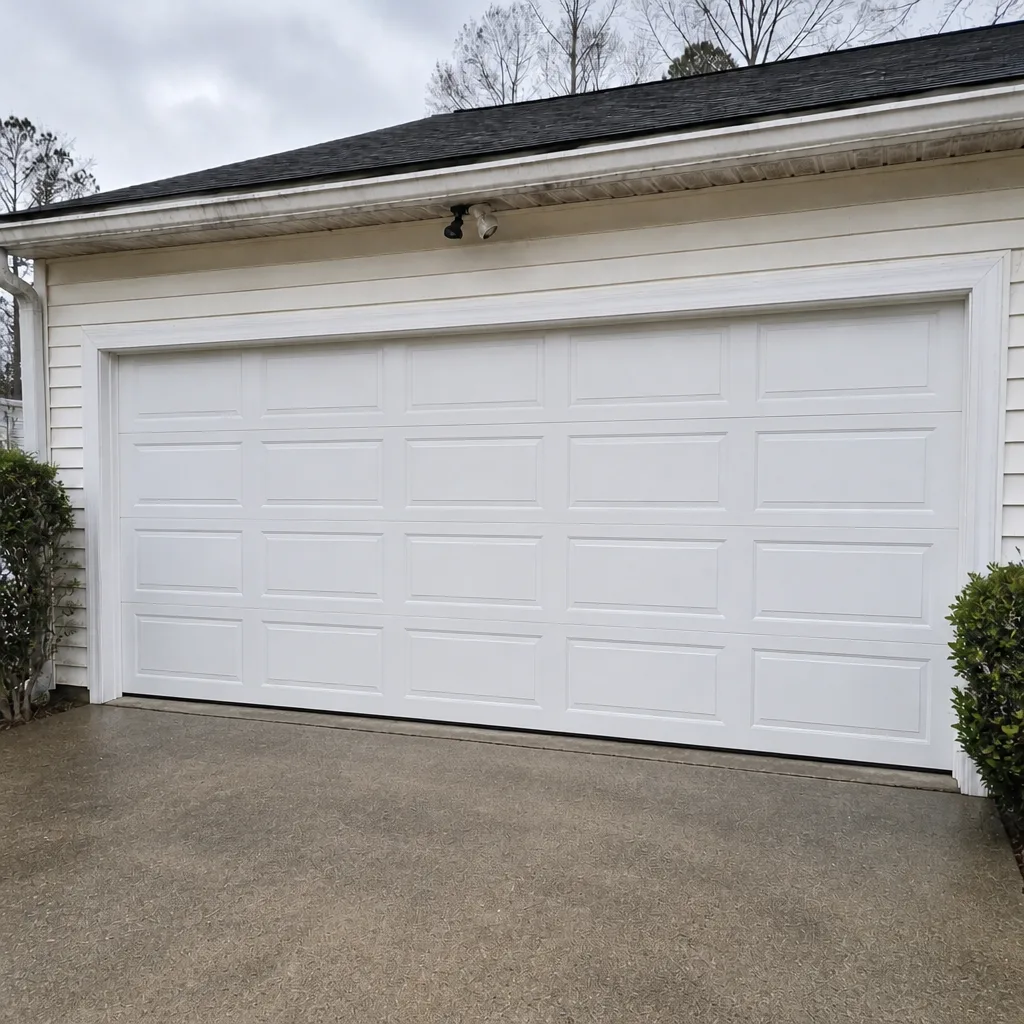 After
When to Call a Professional
Some garage door problems are safe to look at. Others are genuinely dangerous, and the trained technician is the right call every time. Call a professional if you see broken or stretched springs, frayed or detached cables, a door that crashes down when released, a door that reverses before it closes, a door that’s come off its track, any opener failure that involves the wall panel or wiring, or anything that smells like burning from the opener motor. Torsion springs and cables are under extreme tension, and the hardware can cause serious injury if handled incorrectly – a trained service technician should be the one to touch either one.
Rainier Garage Door Repair offers free estimates in North Charleston – call (888) 655-8807. We answer 24/7. Fast dispatch from 7am to 7pm, Sunday through Friday, and our technicians have up to 13 years of experience across the major door and opener brands. Our written estimate is quoted and agreed before any work starts.
Frequently Asked Questions
Look them up in the South Carolina LLR public database by company name or license holder name, and confirm the license status reads “active” for the class that covers residential installation work. If they don’t appear, don’t hire them, and if the business name on the license doesn’t match the name on the estimate, ask for a written explanation before you sign. Call (888) 655-8807 for an exact quote on your job – estimates are free.
The manufacturer’s warranty covers parts and materials from the brand; the labor warranty covers the installation and repair work and is only as good as the contractor who issues it. A low-bid installer can void the manufacturer’s warranty through improper installation, so the cheap bid can cost more in the long run when neither warranty pays out. Ask to see both warranty documents in writing before any work starts.
A temporary business address that doesn’t predate the last wind event, reviews that all appear in a narrow recent window, cash-only payment or a deposit that’s most of the total, pressure to sign on the spot, and a license you can’t find in the LLR database are the main tells. Legitimate contractors have addresses, license history, and review histories that run well past the last storm. Call (888) 655-8807 if you want to talk through a bid you’re unsure about.
Not on a properly written estimate. The price you agree to before work is the price you pay, and the written estimate sets it. If the scope of the job genuinely changes because of what’s discovered on site – a damaged track, a broken bracket hidden behind a panel – you should be told and re-quoted before any additional work begins. Anything else is a warning sign.
No. Torsion springs and cables are under extreme tension, and the tools and procedures involved carry real risk of serious injury when handled by anyone who hasn’t been trained. Any repair that involves the spring, the cable, or the drum should be done by a trained technician. What you can do safely is visually inspect the door, note the symptoms, and keep the door closed until a professional arrives.
Not all of them, and that matters. A contractor who only services one opener brand will steer you toward that brand regardless of whether it fits your door. We service LiftMaster, Chamberlain, Genie, Clopay, Amarr, Wayne Dalton, Craftsman, and Raynor systems, so the recommendation follows your equipment rather than the other way around. Ask any contractor you’re considering what brands they service and how they handle parts for systems outside their primary line.
The Bottom Line
Hiring a garage door contractor in North Charleston comes down to two things: verifying the business and understanding the estimate. Check the LLR license, check for insurance, read the review dates for evidence of staying power, and read the warranty documents in writing. Then ask for an itemized estimate with springs, cables, hardware, and labor shown separately, and confirm the labor warranty in writing. Skip anyone who can’t pass those checks, regardless of how good the price looks. A warranty is only as good as the phone that answers it, and a company that won’t be here when the wind picks up is a company you can’t afford to hire, no matter what the bid says.
If you’d like to talk through your door or opener with a team that services all eight major brands and handles repair, opener repair, and installation under one roof, call Rainier Garage Door Repair at (888) 655-8807 for a free estimate. We answer 24/7. Fast dispatch from 7am to 7pm, Sunday through Friday, and our written estimate is agreed before any work begins.
Written by the team at Rainier Garage Door Repair.